The safest gerbil treats are tiny: a plain sunflower or pumpkin seed, a small piece of vegetable, a dried mealworm, or a safe chew. Treats should be a small extra on top of a complete gerbil food, not a meal, and sugary or salty snacks should be skipped entirely.

Safe Treat Ideas
- Seeds: one or two plain sunflower, pumpkin, or millet seeds. Seeds are high in fat, so keep them rare.
- Vegetables: a thumbnail-sized piece of carrot, cucumber, broccoli, or leafy green.
- Protein: one dried mealworm, or a tiny crumb of plain hard-boiled egg once in a while.
- Grass and hay: untreated hay or grass is a natural, fiber-rich snack.
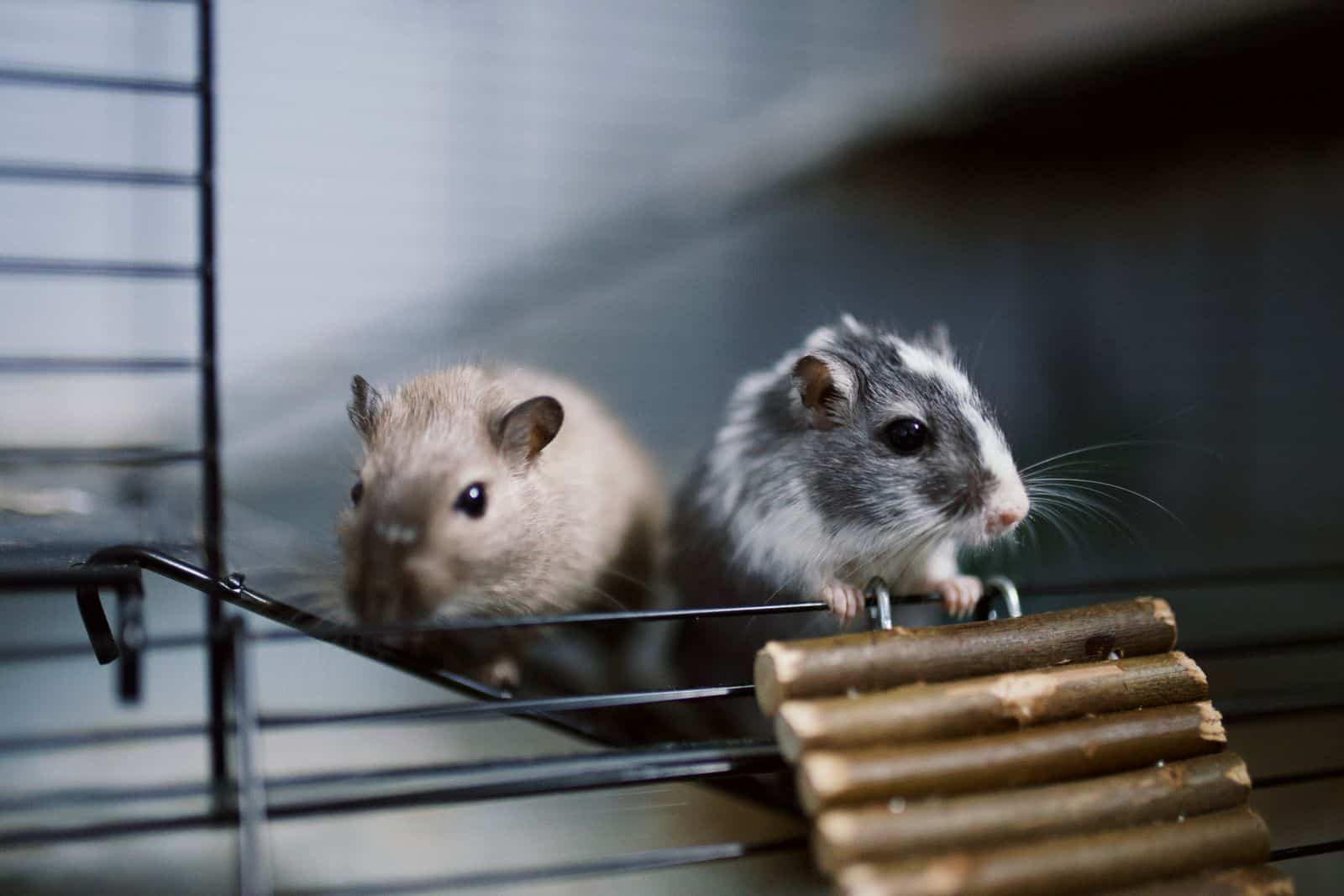
- Chews: untreated wood sticks, apple twigs, or plain cardboard help wear down ever-growing front teeth.
- Fruit: a very small piece of apple or berry now and then. Fruit is sugary, so keep it occasional.
How Often and How Much
Offer one treat at a time, a few times per week at most. A treat should be about the size of your fingernail. Remove anything left in the cage after a few hours, since fresh foods spoil and gerbils like to stash things in their bedding.
Treats to Avoid
- Chocolate, candy, cookies, and other sweets
- Cheese and other dairy as a regular snack. It is high in fat and not a natural food for gerbils.
- Onion, garlic, raw potato, and avocado
- Salty, fried, or seasoned human snacks
- Yogurt drops and colorful pet-store “treat sticks” with lots of sugar
- Pine and cedar shavings or branches from unknown trees, which can contain harmful oils or residues
Treats and Weight
Gerbils can become overweight, especially on a diet heavy in sunflower seeds and nuts. If your gerbil is gaining weight or ignoring its regular food, cut back on treats first.
Related Guides
For the base diet, see best gerbil food and what gerbils eat. For live and dried insect treats, read mealworms for gerbils.
Bottom Line
Keep gerbil treats small, simple, and occasional. A seed, a veggie, or a safe chew is plenty. If your gerbil has diarrhea, stops eating, or loses weight after trying something new, stop the treat and contact a vet who sees small exotic pets.
This article is general information, not veterinary advice.