Wet vs Dry Cat Food: Which Costs Less per Calorie?
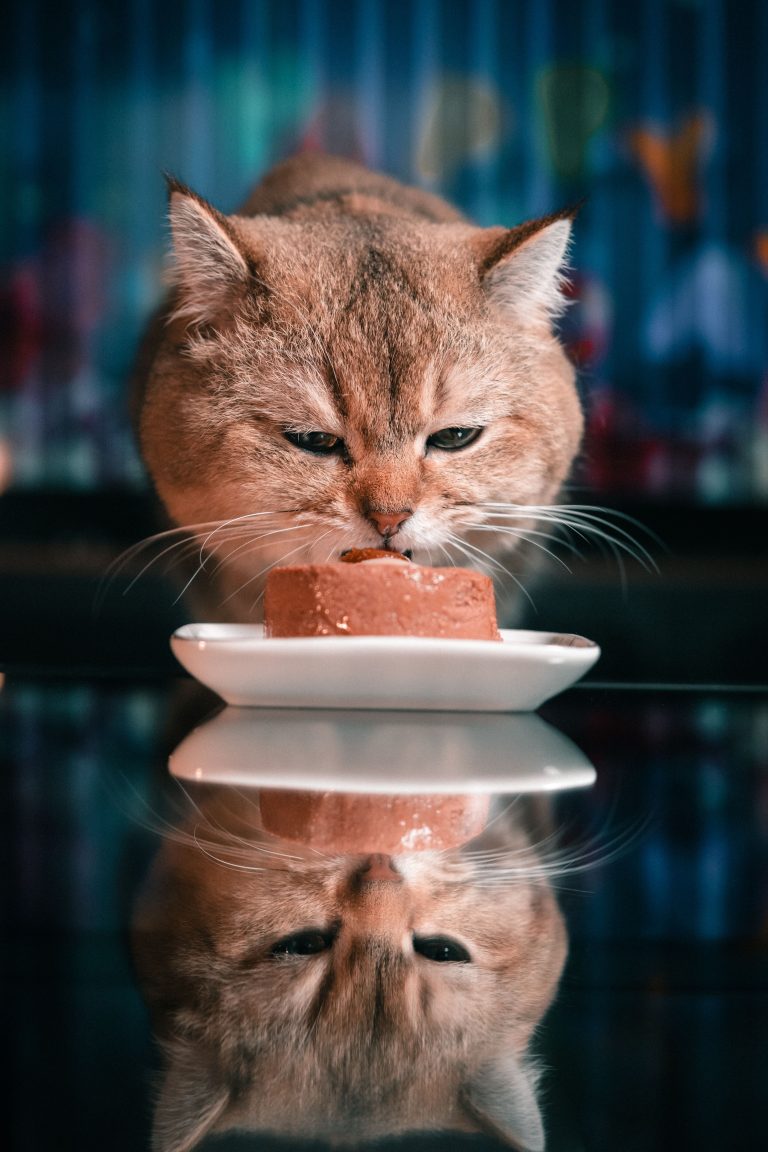
Wet cat food often looks cheaper per ounce but costs far more per calorie. A worked example for a 10 lb cat shows the real monthly difference, and how mixed feeding changes it.

Wet cat food often looks cheaper per ounce but costs far more per calorie. A worked example for a 10 lb cat shows the real monthly difference, and how mixed feeding changes it.
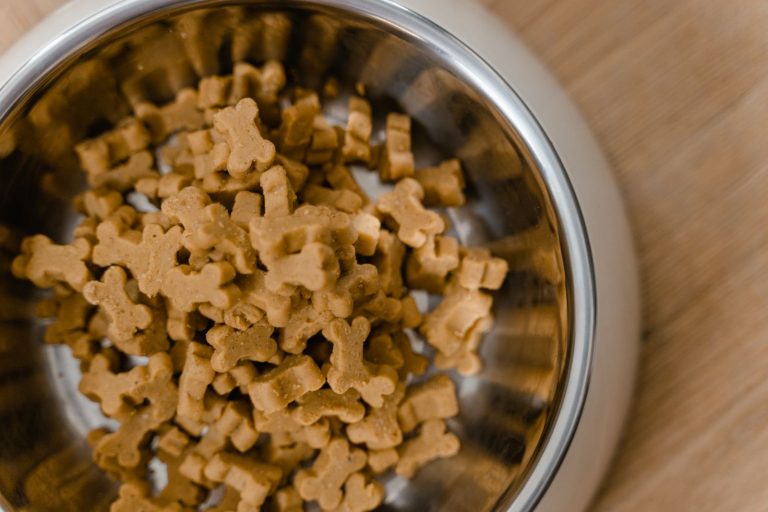
Price per bag and price per pound hide the real cost of feeding. Here is the simple cost-per-1,000-kcal method, with a worked dog example and the unit conversions.
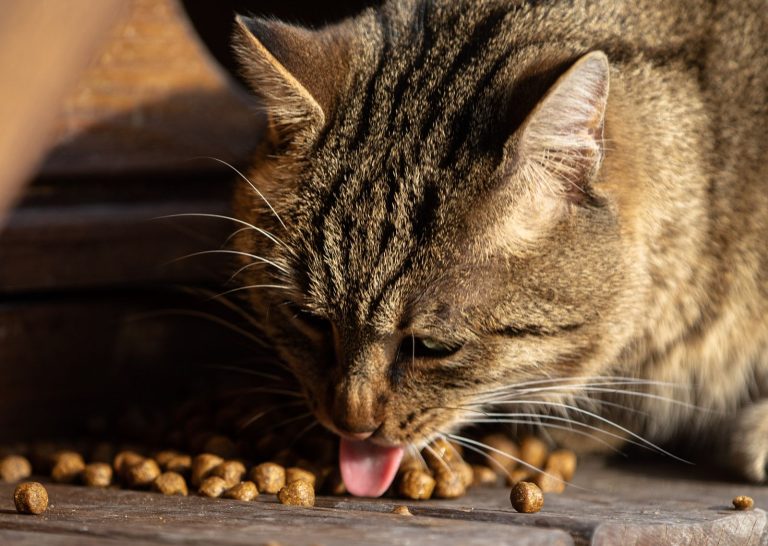
Sheba is a Mars Petcare wet cat food brand. Learn how to read a Sheba label, what nutrients cats need, and when to ask your vet about a diet.

Found small white worms in your cat’s food? They are usually pantry moth or beetle larvae. Here is what to do with the food and when to call the vet.
Royal Canin Urinary SO is a veterinary diet for cats with urinary stones or crystals. Learn what it does, who needs it and why you need a vet’s direction.

Ciao Churu Tuna is a lickable tuna purée treat with about 6 calories a tube. This review covers the ingredients, guaranteed analysis, pros and cons, and how to feed it.
Heart to Tail is Aldi’s store-brand cat food. Here is what to know about price, formulas, ingredients and who it suits.
A quick guide to Sheba’s cat treats: the soft Meaty Tender Sticks and the lickable Premium Puree, with calories, ingredients, and who each one suits.
Freeze-dried salmon can be a great high-value treat for cats, but it is still a raw food. Here is how to compare products, count calories, and handle them safely.
Dehydrated chicken can be a good protein-rich treat or meal topper for cats, but plain chicken is not a complete diet. Here is what to check before you buy.