Alpacas can run low on vitamin D, especially in winter, and low levels can cause weak bones in young animals (rickets). Whether your herd needs a supplement, and how much to give, is a question for your veterinarian, because too much vitamin D is harmful too.

Why alpacas are at risk
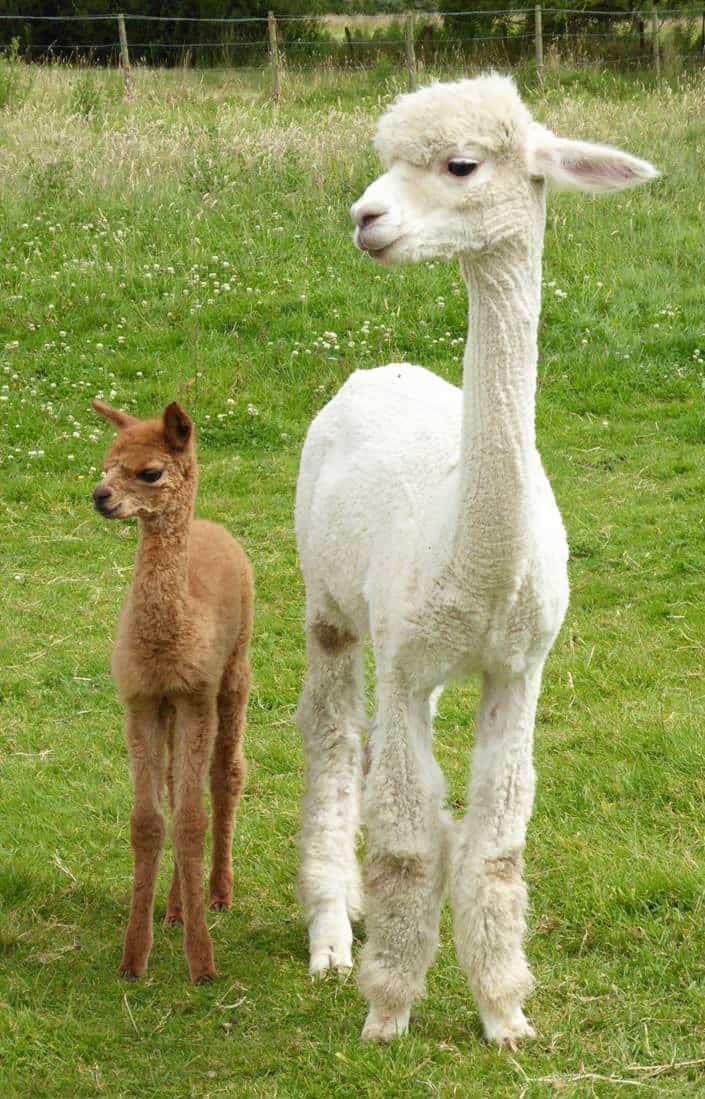
Alpacas make vitamin D in their skin from sunlight. Their dense fleece, the low sun angle of northern winters, cloudy weather and indoor housing all cut how much they make. Veterinary and extension sources note that rickets in camelids is mostly seen in winter, and that young, fast-growing crias are the most affected.
Signs to watch for
- Crias that are slow to grow or reluctant to stand or walk
- Bowed or swollen legs, stiff gait, or a hunched posture
- Pain or lameness in young animals
- Poor growth or condition in adults, especially after a long winter
These signs also fit other illnesses, so a vet exam and, if needed, blood work come first.
Ways vitamin D is supplied
- Sunlight. Time outdoors helps, though it may not be enough in winter or at higher latitudes.
- Fortified feed. Many camelid pellets and supplements contain added vitamin D. See our guide to alpaca pellets.
- Oral or injectable products. These are used in many herds, but products and schedules differ by country and by vet. Read alpaca vitamin injections for background.
Why you should not guess at doses
Vitamin D is fat-soluble, so extra builds up in the body. Overdoses can damage the kidneys and other tissues, and calcium and phosphorus balance also matters. Do not copy a dose from a forum or an old article. Ask your vet which product to use, how much, and how often for your animals’ age, weight and region.
Other nutrients that work with vitamin D
Bone health depends on calcium and phosphorus in the right balance, plus enough overall energy and protein. Alfalfa is high in calcium, so the mix of hay, pellets and minerals matters. Feed a camelid-formulated mineral, and see what else belongs in the diet in what alpacas can eat.
Practical winter tips
- Let animals out in daylight when weather allows.
- Have crias checked by your vet if they seem slow to grow.
- Keep records of any supplement you give, with dates.
- Do not give several vitamin products at once without veterinary advice.
Bottom Line
Vitamin D deficiency is a real winter concern for alpacas, especially crias, but the fix is a vet-guided plan, not a do-it-yourself dose. Work with your veterinarian on product, amount and timing.
This article is general information, not veterinary advice.