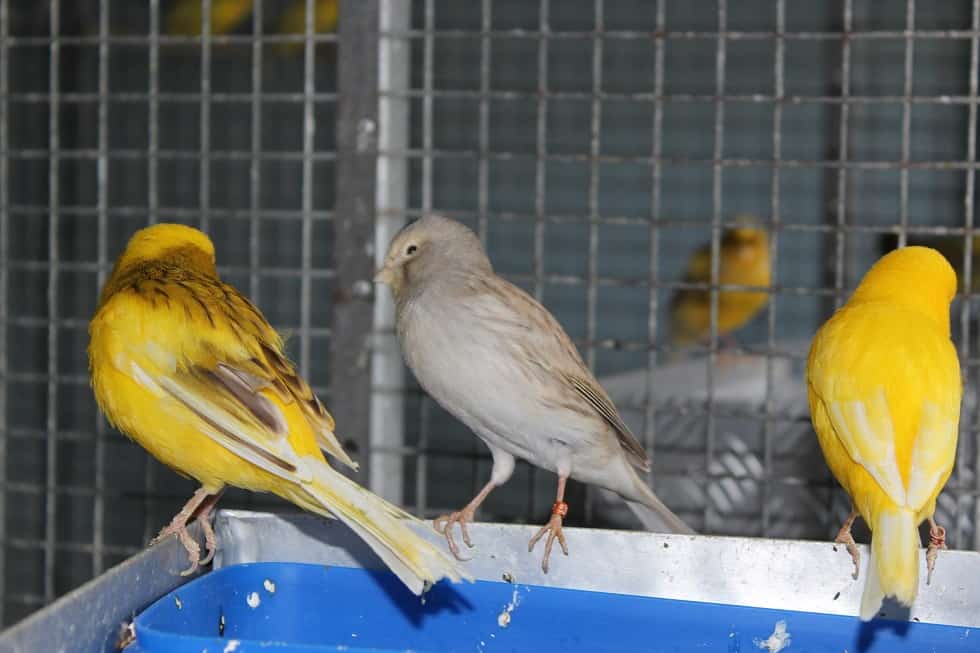
Wild birds can eat small amounts of mild, plain cheese, and many will take it. It is a treat, not a staple, and it should never replace seed, suet or natural foods. Birds cannot digest lactose well, so keep pieces tiny and choose lower-lactose cheeses.

Which Cheeses Are Best
- Mild cheddar, Colby or similar hard cheese. Aged hard cheeses contain less lactose than soft ones.
- Grated or crumbled. Small bits are easier to eat and less likely to smear on feathers.
- Plain only. Avoid cheese with herbs, garlic, onion, pepper, or smoked flavoring.
Cheeses to Skip
Skip very salty cheeses, blue or moldy cheeses, processed cheese slices, and anything that is soft and sticky or has gone off. Dairy that is milk, cream or yogurt is a poor choice, because birds are lactose intolerant.
How to Offer It
- Sprinkle a small pinch on a clean tray, platform feeder or the ground under a feeder.
- Offer cheese a few times a week at most, mixed in with other foods.
- Remove leftovers after a few hours, especially in warm weather, because cheese spoils quickly and draws ants, flies and rodents.
- Wash the tray with hot soapy water regularly.
Which Birds Might Eat It
Robins, wrens, sparrows, starlings, jays, thrushes and other omnivorous songbirds are the most likely takers. Seed-only eaters such as most finches may ignore it. If birds do not touch it within a day, take it away.
Better Everyday Foods
Cheese is a small extra. For the daily menu, offer quality wild bird seed, suet, fruit and unsalted nuts, and see what to feed wild birds besides seed for more ideas.
Bottom Line
A pinch of mild, plain, grated cheese is safe for most wild birds as an occasional treat. Keep it small, fresh and infrequent, and rely on seed, suet and natural foods for the bulk of their diet.