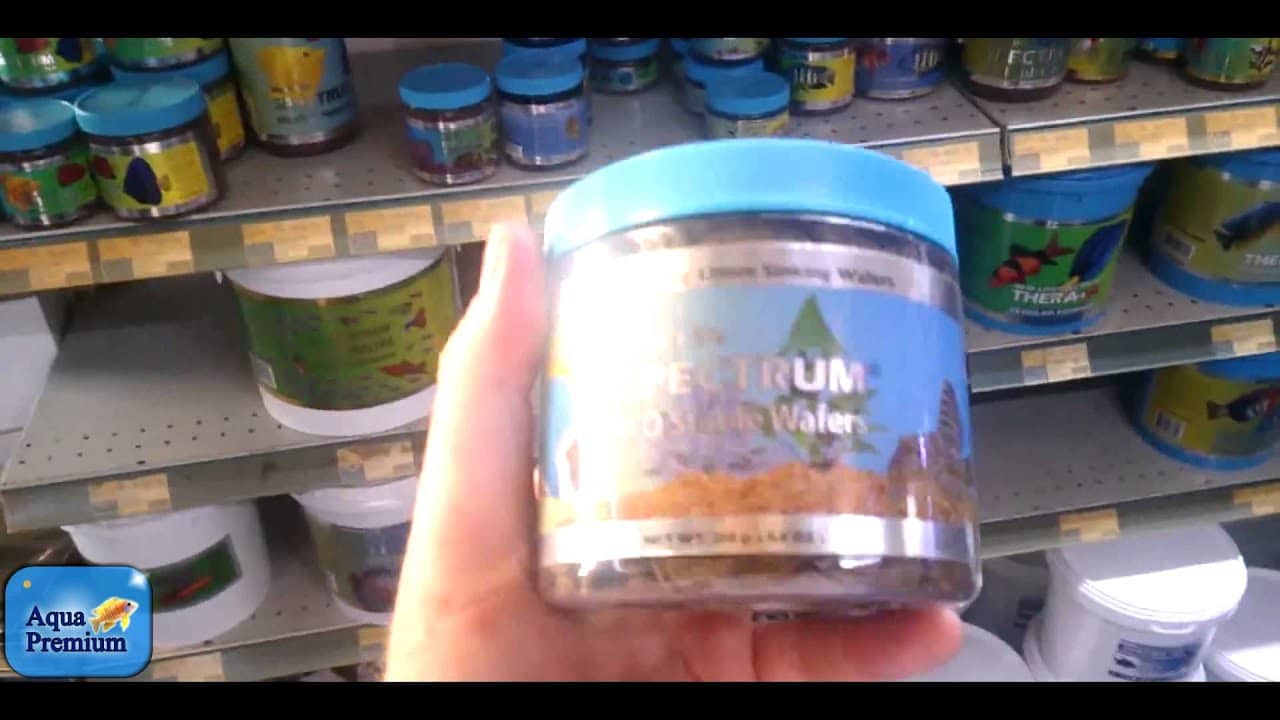
Purina makes sinking fish feeds for catfish, and a good sinking pellet is a solid everyday food for bottom-feeding catfish in ponds and large tanks. The right product depends on the size of your fish, so always read the current label before you buy.

Why sinking food for catfish
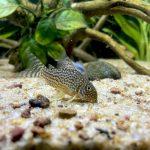
Catfish feed along the bottom. Sinking pellets reach them without being picked off by faster fish at the surface. In a pond or aquarium with mixed fish, sinking food is often the only way a catfish gets a fair share.
What to look for on the label
- Protein level: Check the guaranteed analysis. Young and small catfish need higher protein than larger fish.
- First ingredient: A named protein source such as fish meal is a good sign.
- Pellet size: Match the pellet to your fish. Fingerlings need small crumbles, adults need larger pellets.
- Use-by date: Fresh feed holds its vitamins better.
Purina and other feed brands sell separate formulas for pond fish, aquarium fish, and carnivores, so choose one made for your species. A product sold for farm-raised channel catfish is not always the right match for a pet aquarium fish.
How much to feed
Feed only what the fish eat in a few minutes. Catfish eat less when the water is cold, so cut back as temperatures drop. Uneaten food rots, uses up oxygen, and raises ammonia, so remove leftovers from a tank after a short time.
Storing the feed
Keep fish food in a cool, dry, sealed container, away from rodents and insects. Moldy or stale feed can make fish sick, so throw out any that smells musty or has clumped. Buy a size of bag you can use within a few months.
For more options, see our guides on floating catfish food, cheap catfish food, and feeding small catfish.
Bottom Line
A fresh, correctly sized sinking pellet is a good staple for catfish. Pick a formula for your fish’s species and size, feed small amounts, and store it well. If your fish stop eating or seem ill, check water quality and ask an aquatic vet.