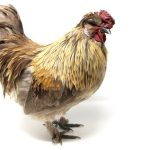
“RTL” stands for ready to lay: young hens (pullets) that are about 16-20 weeks old and close to starting egg production. If you buy or raise RTL chickens, the keys are a well-built, predator-proof home, a switch to layer feed at the right time, and clean water. This guide covers housing and feeding for RTL pullets.

What “Ready to Lay” Means
Most breeds begin laying between about 18 and 24 weeks. Sellers label pullets “RTL” when they are near that point, so you skip the brooding stage. Ask the seller about vaccinations, the feed they have been eating, and whether the birds were raised on the floor or in cages, because that affects how they adapt to your coop.
Housing for RTL Hens
- Space: plan on at least 3-4 square feet per hen inside the coop and 8-10 square feet per hen in the run.
- Roosts: about 8-10 inches of roost bar per bird, set higher than the nest boxes.
- Nest boxes: one box for every 4-5 hens, about 12 inches square, in a dark, quiet corner.
- Ventilation: plenty of airflow above roost height without drafts on the birds.
- Security: hardware cloth (not chicken wire) on windows and a buried or aproned run to stop predators.
Commercial egg farms use caged systems, but many places have limits on cages for laying hens, so check the rules in your state before buying equipment. Backyard keepers usually choose a coop and run.
Feeding RTL Pullets
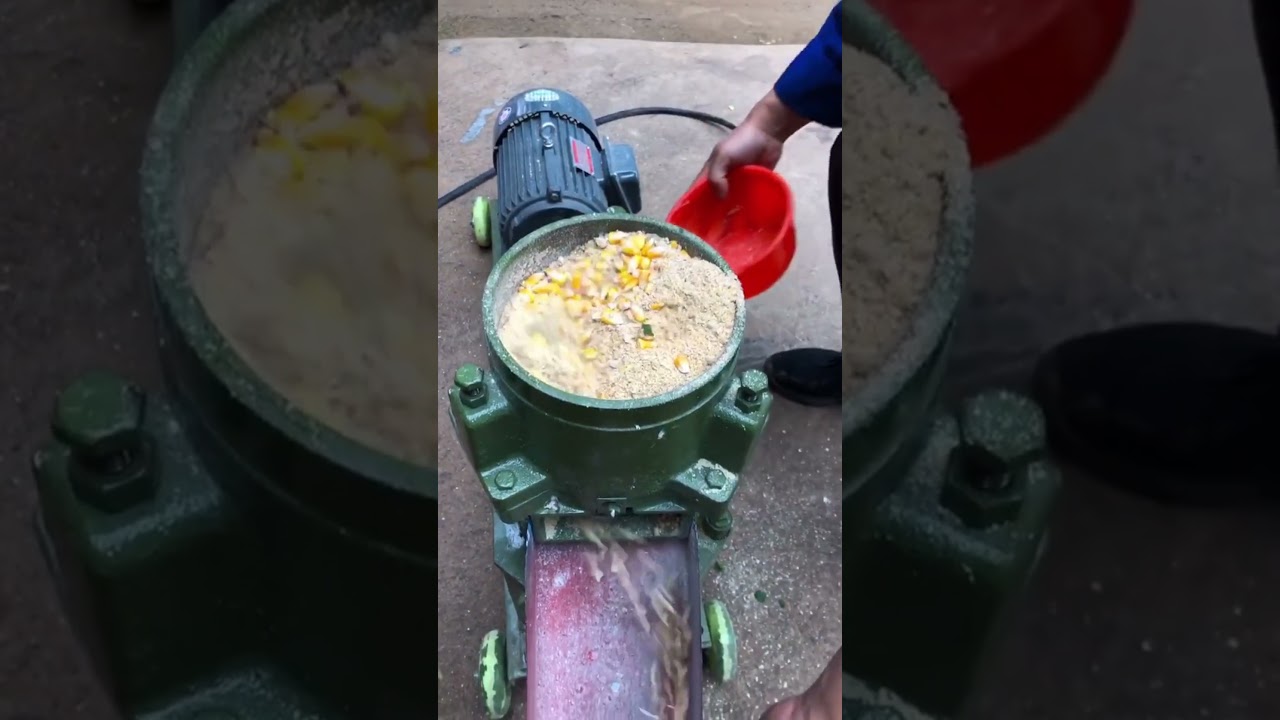
Move birds to a complete layer feed around the time the first egg appears, usually at 16-18 weeks or older, depending on the advice of the breeder. Layer feed is typically 16-18% protein with extra calcium for shells. Avoid the common mistake of switching too early, since the calcium can be hard on growing birds.
- Offer oyster shell in a separate dish.
- Keep treats to about 10% of the diet.
- Do not dilute a balanced layer feed with large amounts of scratch grains.
- Change feeds gradually by mixing old and new over a week.
Our guide to feeds for RTL chickens goes deeper on rations.
Water and Light
Hens drink often and egg production drops quickly when water runs out. Hens also need around 14-16 hours of light a day to lay steadily, so egg production naturally slows in winter. A dim, low-wattage light can extend the day, but many keepers let the hens rest.
Settling In
New birds are stressed by a move. Keep them in the coop for a few days so they learn where to roost, then let them out. Keep new hens apart from your existing flock for about 30 days to watch for illness. Watch for pale combs, sneezing, or drooping and call a poultry vet if you see them.
Bottom Line
RTL chickens are an easy shortcut to fresh eggs. Give them safe housing, switch to layer feed at the right time, and keep water and calcium available. For feed options see game chicken feed and Purina Layena ingredients.