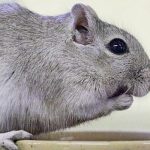
Gerbils can safely eat small amounts of leafy greens, broccoli, carrot, cucumber, peas, bell pepper and cooked sweet potato. Offer a thumbnail-sized piece a few times a week, on top of a complete gerbil food, and remove leftovers within a few hours.

Gerbils come from dry grasslands and deserts, so their bodies are built for seeds and grains. Fresh vegetables are a nice extra for variety and moisture, but too much can cause loose stools.
Safe vegetables for gerbils
- Leafy greens: Romaine, kale, dandelion greens and beet greens in small amounts.
- Broccoli: Florets and a bit of stem.
- Carrot: A small slice, since it is sweet.
- Cucumber: Very watery, so keep portions tiny.
- Peas: One or two fresh or thawed peas.
- Bell pepper: A small piece without seeds.
- Sweet potato: Cooked, plain and cooled, in a tiny piece.
- Squash and pumpkin: Small pieces of flesh; plain seeds make a good occasional treat.
Vegetables to skip
- Onions, garlic, leeks and chives: Best avoided.
- Raw potato and potato skins or greened potatoes: Can contain solanine.
- Rhubarb and raw beans: Toxic to small pets.
- Avocado: Not recommended for small rodents.
- Iceberg lettuce: Mostly water with little nutrition.
Cabbage and other gassy vegetables are not toxic, but they can upset a gerbil’s stomach, so offer only a nibble if at all. See our full list of foods gerbils should not eat.
How much and how often
- Offer one new vegetable at a time and watch for soft droppings over the next day.
- A piece about the size of your thumbnail, two or three times a week, is plenty.
- Wash vegetables well and pick up uneaten pieces, because gerbils hide food in their bedding and it can spoil.
Fruit
Fruit is high in sugar. A tiny piece of apple (no seeds), pear or blueberry once in a while is fine, but vegetables are the better choice. For the main diet, see what gerbils eat and our picks for the best gerbil food.
Bottom Line
Treat vegetables as a small, occasional extra. Build the diet around a quality gerbil mix or pellets, add a thumbnail of safe veggies a few times a week, and always give fresh water. If your gerbil has diarrhea or stops eating, call a vet who treats small exotic pets.
This article is for general information and is not veterinary advice.