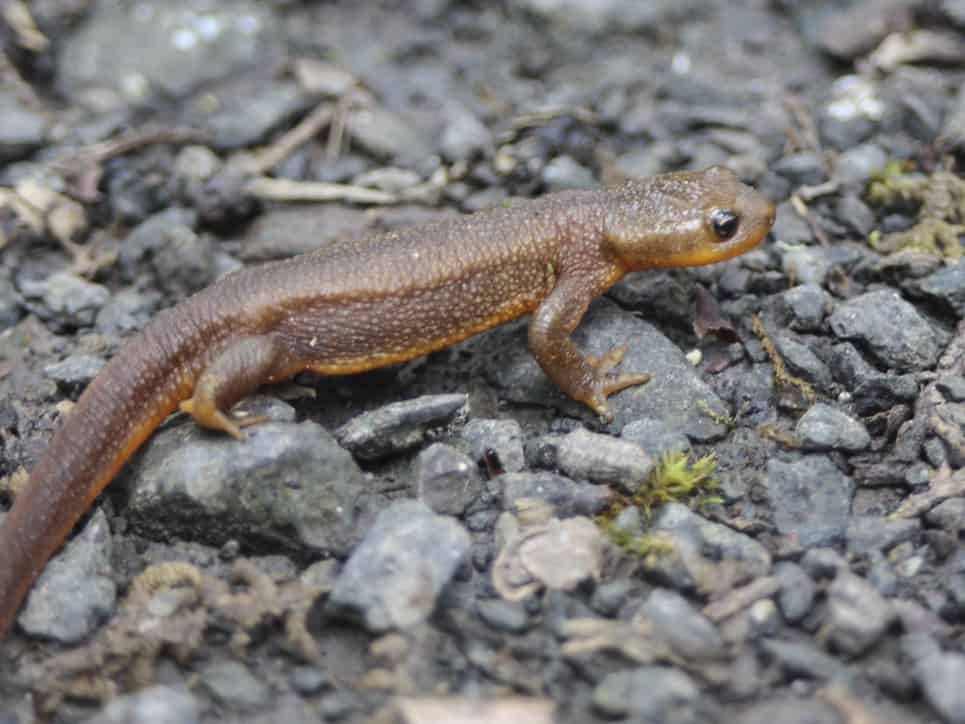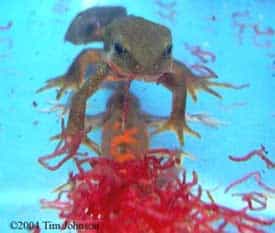
In the wild, newts are carnivores. They eat small animals they can catch and swallow, such as insect larvae, worms, snails, tiny crustaceans, slugs and other invertebrates. Larger adults will also take tadpoles and the eggs of other amphibians.

What newts eat at each life stage
- Larvae (in the water). Newt larvae hunt tiny live prey such as water fleas (daphnia), copepods and small insect larvae like mosquito and midge larvae.
- Juveniles or efts (on land). Young terrestrial newts feed on small land invertebrates such as springtails, tiny worms, mites and small insects. They tend to accept only live moving prey.
- Adults. Adults eat a wider range, including earthworms, slugs, aquatic snails, freshwater shrimp and other crustaceans, aquatic and land insects, and the occasional tadpole or small fish. Some species spend most of the year on land, others stay in the water for most of their lives.
How newts find food
Newts hunt by sight and smell, and they respond to movement. Many will not eat still food, which is why wild newts take live prey. In water they gulp prey in with a quick snap, and on land they flick out their tongue. They also eat during the breeding season, though some stop feeding for a while.
What this means for pet newts
If you keep a newt, copy the wild diet with safe, appropriately sized foods:
- Live or frozen bloodworms and blackworms for aquatic newts
- Earthworms cut to size
- Small crickets or other feeder insects for terrestrial newts
- Commercial newt or amphibian pellets, where the newt accepts them
Feed what the newt eats in a few minutes and remove leftovers. You can read more in what can you feed newts and how long newts can go without food.
A safety note about newt toxins
Many newts make toxins in their skin as protection from predators. The strength depends on the species. Some, like the rough-skinned newt, are dangerously toxic if swallowed. Do not handle newts unnecessarily, never put one in your mouth and always wash your hands afterward. Keep children and pets away from them. Wild newts should be left where you find them, since many species are protected by law in some regions.
Bottom line
Wild newts eat live invertebrates, plus occasional tadpoles and eggs, and they adjust their diet to what is available. For pets, offer similar live or frozen foods in small portions.
This is general information. Ask an exotic-animal veterinarian about care for a sick newt.