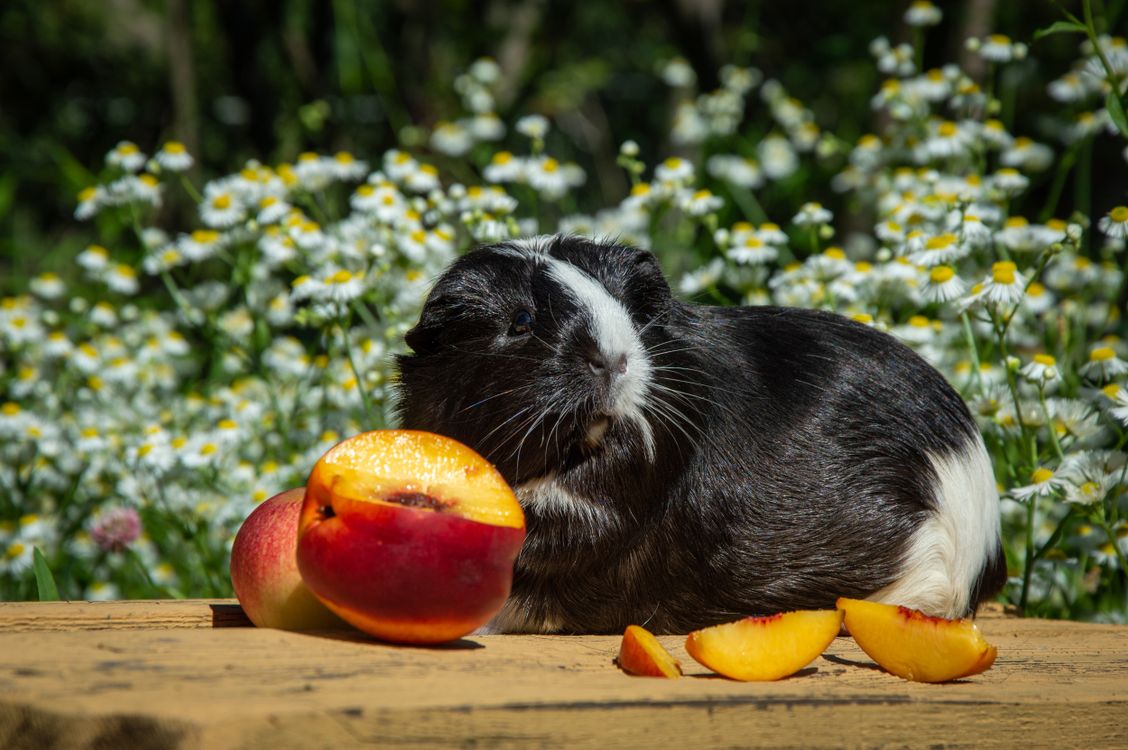
The best lettuces for guinea pigs are dark-green types such as romaine, red leaf, and green leaf lettuce. Iceberg is safe in a pinch but offers little nutrition, and too much of any lettuce can cause loose droppings.

Best lettuces to feed
- Romaine: the go-to choice. It is crunchy, mild, and has more nutrients than pale lettuces.
- Red leaf and green leaf lettuce: good rotation options.
- Butter and Boston lettuce: fine as occasional variety.
Lettuce to limit
- Iceberg: mostly water with few nutrients. If you only have iceberg, a small leaf will not hurt, but it should not be a staple. See our note on iceberg lettuce for guinea pigs.
- Wilted, slimy, or brown lettuce: throw it out.
How much lettuce is okay?
Most guinea pigs do well on about a cup of mixed fresh vegetables per day, and lettuce can be one or two leaves of that mix. Lettuce is not a replacement for hay, which should make up most of the diet. Switch to a new lettuce slowly, a leaf at a time, and watch for soft droppings.
How to prepare it
- Rinse the leaves under cool water to remove dirt and pesticide residue.
- Shake or pat dry so the leaves are not soaking wet.
- Tear into pieces and serve fresh, removing leftovers after a few hours.
Mix it with other greens
Variety keeps your guinea pig healthier than lettuce alone. Rotate with herbs and leafy greens, and add a vitamin C source such as bell pepper. See romaine hearts for guinea pigs, parsley, and the best vegetables for guinea pigs.
Bottom Line
Choose romaine and other dark leaf lettuces, wash them, and serve a modest amount with other veggies every day. Avoid making iceberg the main green, and keep unlimited hay available.
General information only, not veterinary advice. If your guinea pig has diarrhea or stops eating, contact an exotics-savvy vet.