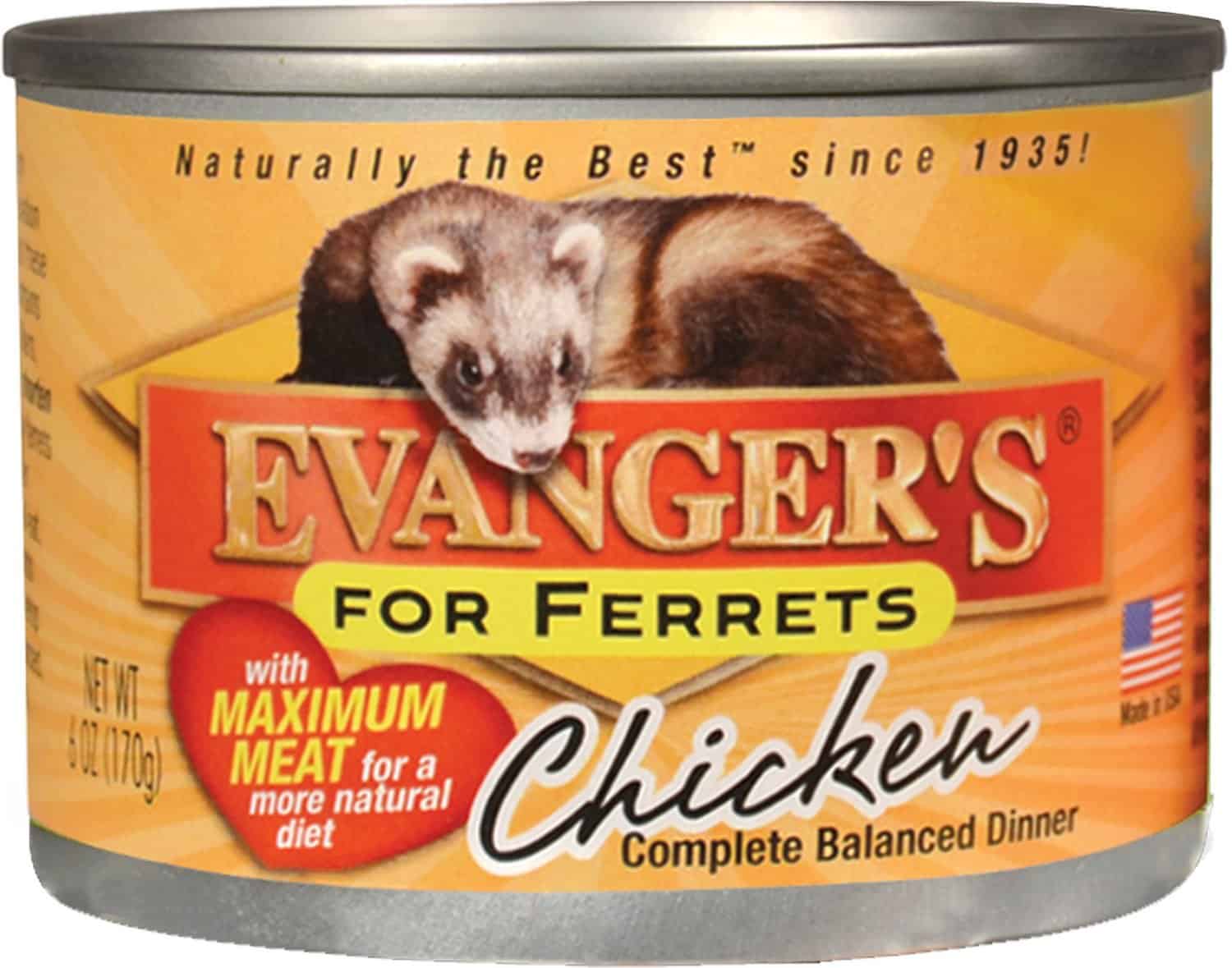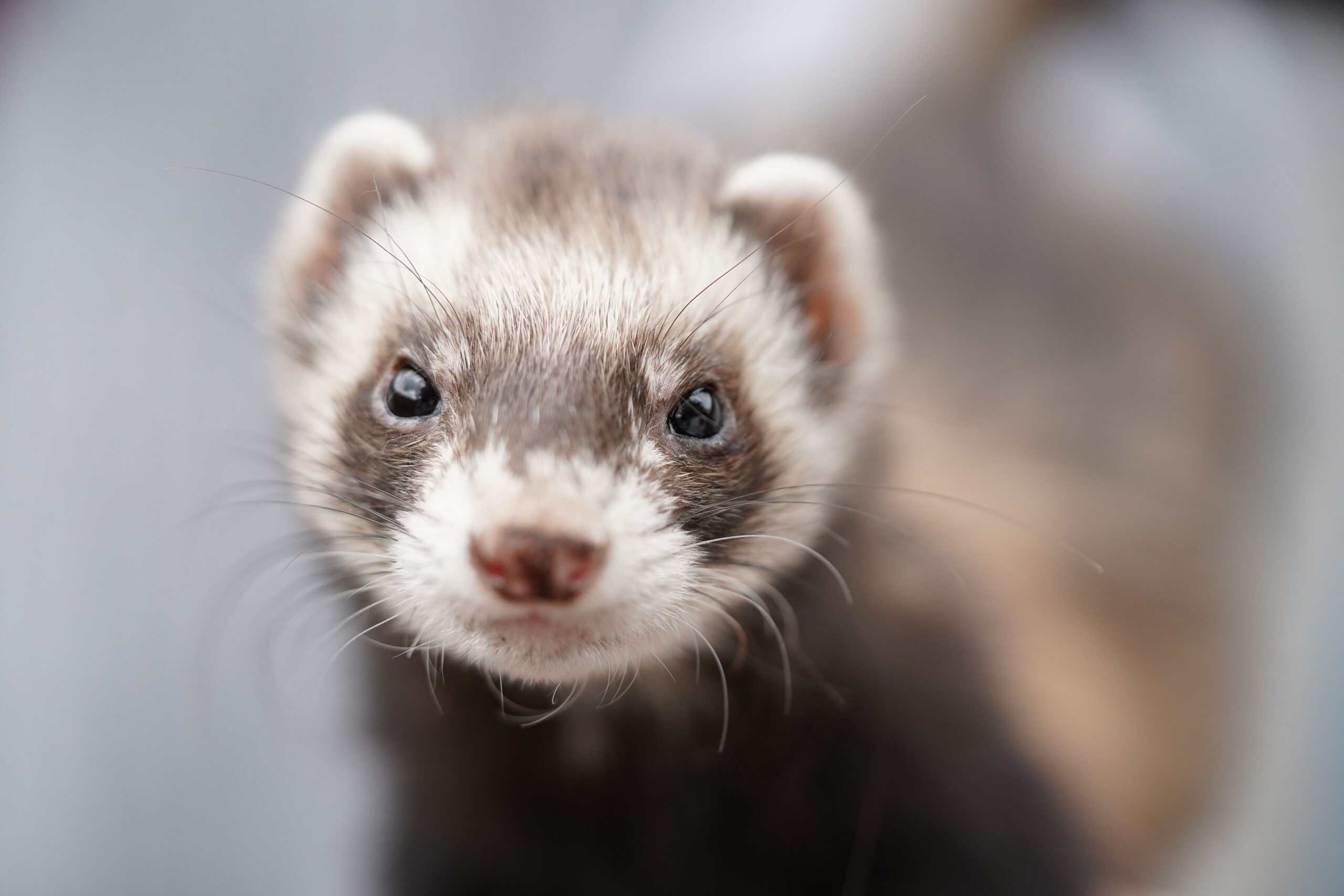
You can buy raw meat for ferrets from raw pet food stores, online raw suppliers and some butchers, but a ferret needs more than plain muscle meat. Ferrets are obligate carnivores, so their diet should come from animal sources: meat, organs and bone, in the right balance. A quality ferret kibble is the simplest complete diet. If you choose raw, plan it carefully with a vet who knows ferrets.

Where to Buy Raw Meat for Ferrets
- Raw pet food stores and online suppliers: Sell frozen raw mixes, ground meat with bone and organ, and whole prey such as mice, chicks and quail. Look for suppliers that sell products labeled for ferrets or cats.
- Local butchers: Can supply chicken, turkey, rabbit and organ meats like liver and heart. Ask for raw, unseasoned cuts with no added salt or preservatives.
- Grocery stores: Offer chicken, turkey and other raw meat, but plain supermarket cuts alone are not balanced.
- Reptile and pet shops: Often stock frozen whole prey, though these are sized for reptiles, so check the size is right for a ferret.
Choose a seller with clean handling practices and keep everything frozen until you use it.
What a Raw Ferret Diet Needs
- Muscle meat as the base
- Organs, such as liver in small amounts and heart, which is a good source of taurine
- Bone or a calcium source, to balance calcium and phosphorus
- Variety of proteins, which helps your ferret accept different foods
Muscle meat on its own is low in calcium, and too much liver can cause vitamin A problems. Whole prey or a commercial raw mix made for ferrets or cats takes much of the guesswork out.
Raw Food Safety
Raw meat can carry bacteria such as Salmonella, which can make both ferrets and people sick.
- Keep meat frozen and thaw it in the fridge.
- Wash hands, bowls and surfaces after each meal.
- Remove any uneaten food after a few hours. Ferrets like to hide food, so check their cage.
- Use caution around babies, older adults and anyone with a weak immune system.
Switching From Kibble
Ferrets imprint on foods when young, and some adults resist new textures. Introduce raw food slowly. Try mixing a little with their usual food, warming it slightly, or offering it as a mash. Be patient, because switching can take weeks or months. Do not leave your ferret without food. If it stops eating, call your vet.
Foods Ferrets Should Not Eat
- Sugary foods, fruit and vegetables in quantity, since ferrets cannot digest them well
- Dairy products, which often cause diarrhea
- Cooked bones, which can splinter
- Onion, chocolate and caffeine
Frequently Asked Questions
Is raw food better than kibble for ferrets?
Raw can suit ferrets’ natural diet, but it needs careful balancing and safe handling. A high-quality ferret kibble made with named animal proteins is a simpler complete option.
How much should a ferret eat?
Ferrets eat small meals through the day because they digest food quickly. Your vet can help you set amounts for your ferret’s size.
Can ferrets eat cat food?
A high-quality, high-protein kitten food has been used in a pinch, but it is not a perfect match. Ask your vet.
Bottom Line
Raw meat for ferrets is available from raw pet stores, online suppliers and butchers, but balance and food safety matter. Talk with a vet who treats ferrets before you change your ferret’s diet. This article is general information, not veterinary advice.
Related reading: Young Again ferret food review.