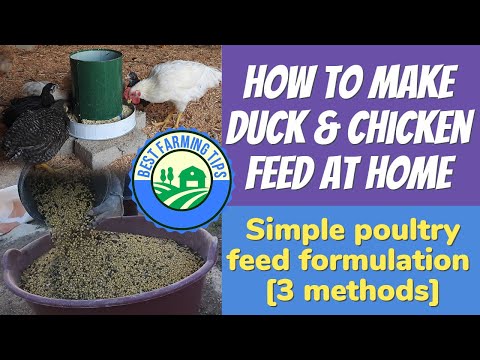

Short answer: A good homemade duck ration is built on a base of whole grains or a poultry feed, topped up with a niacin source such as brewer’s yeast, a calcium source for laying ducks, and fresh greens. Ducks need more niacin than chickens do, so a plain chicken mix is not enough for ducklings.

The base: grains or a complete feed
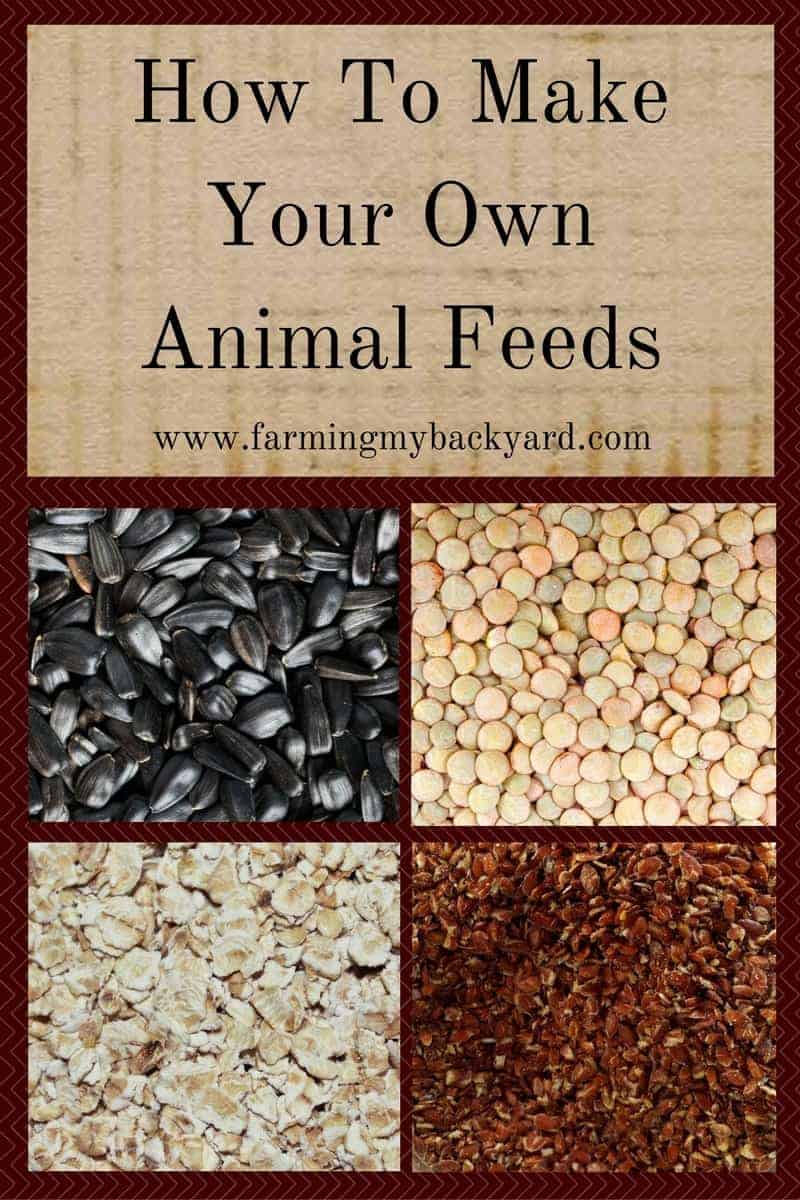
Most backyard keepers start from a complete, unmedicated waterfowl or all-flock feed and then add to it. If you mix your own, the base is usually a blend of whole grains such as oats, wheat, barley and cracked corn. Grains alone are low in protein and several vitamins, so they work best as part of the diet rather than the whole diet. Our guide to homemade duck food recipes shows how the pieces fit together.
Niacin: the ingredient ducks cannot skip
Ducklings grow fast and have a high niacin (vitamin B3) requirement. A shortage can cause weak or bowed legs and poor growth. Brewer’s yeast is the common fix, sprinkled over feed or mixed in. Feed labels and waterfowl hatcheries publish the recommended amounts for each age, so follow those rather than guessing. Chick starter made for chickens often falls short on niacin for ducklings, which is why many keepers add yeast to it.
Protein from seeds, legumes and insects
Peas, lentils and other legumes add protein, as do mealworms and a little scrambled egg. Treat them as supplements. Peas and similar seeds are also fairly rich in starch and sugar, so a handful mixed into the ration is plenty. For other seeds ducks like, see nutritious seeds for ducks.
Calcium for laying ducks
Laying ducks need extra calcium for strong eggshells. Offer crushed oyster shell or crushed, baked and ground-up eggshells in a separate dish so each bird can take what she needs. Do not give extra calcium to ducklings or non-laying adults as part of the main mix.
Greens and treats
Chopped leafy greens, peas, and small amounts of berries are good additions. Soaking or fermenting feed can also make it more palatable and cut waste, as covered in fermenting duck feed. Keep treats to a small share of what the flock eats each day.
What to leave out
Avoid bread and other processed human food, moldy or spoiled grain, and anything salty. Be careful with plants from the nightshade family, such as green tomatoes, green potatoes and potato sprouts, which contain natural toxins. Avocado is also a known danger for birds. If you are unsure about a plant, skip it.
Medicated feed and your vet
Many chick starters are medicated for chickens. Whether medicated feed is appropriate for ducklings depends on your flock and your region, so ask a veterinarian who sees poultry before using it. This article is general information and does not replace veterinary advice, especially if a bird is sick, limping or not eating.
A simple daily pattern
Offer the base feed in the morning and evening, keep clean water deep enough for ducks to dip their whole bill, and since ducks gulp food, always put water next to feed. Adjust amounts by watching body condition. Birds that are getting heavy need less grain and more greens; thin birds need more of the complete feed.
Bottom Line
Build homemade duck food around whole grains or a complete feed, add brewer’s yeast for niacin, give laying ducks free-choice calcium, and keep treats small. Skip bread, spoiled grain and nightshade plants, and check with a vet before using medicated feed.