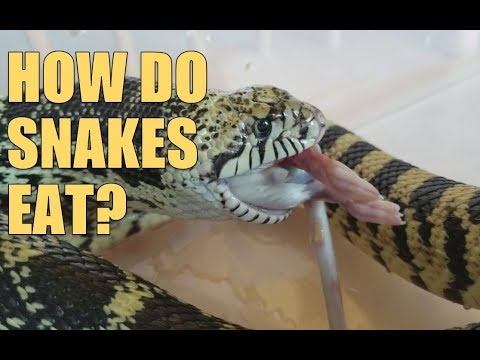
A baby rat snake should be offered a frozen-thawed pinky mouse about once every 5 to 7 days, starting after its first shed. Most hatchlings eat within one to three weeks of hatching. Keep the enclosure warm, hidden and quiet, and be patient if the first meal is refused.

When does a baby rat snake start eating?
Hatchlings live off their yolk for the first days and usually shed for the first time within one to two weeks. Offer the first meal after that shed. If the baby refuses, wait a few days and try again. Many hatchlings are shy and eat better when they feel hidden and safe, and it is common for a few to need several tries.
What to feed
- Pinky mice are the usual first food for rat snake hatchlings.
- Fuzzy mice come next as the baby grows.
- Scented prey. A few picky hatchlings, especially wild-caught ones, prefer lizards or frogs. A common trick is to rub a pinky with a lizard or frog to give it a familiar smell. Do not feed wild-caught prey, which can carry parasites.
Offer one prey item at a time, about as wide as the thickest part of the snake. For the adult diet, see what rat snakes eat.
Feeding schedule
| Age | Prey | How often |
|---|---|---|
| Hatchling | Pinky mouse | Every 5 to 7 days |
| Juvenile | Fuzzy to hopper mouse | Every 7 days |
| Adult | Adult mouse or small rat | Every 10 to 14 days |
Frozen-thawed vs. live
Feed frozen-thawed whenever possible. A live mouse can bite and seriously hurt a baby snake. To thaw, leave the pinky in the fridge overnight or seal it in a bag and set it in warm water. Warm it, dry it off and offer it with long tongs. Never microwave prey, because it creates hot spots and can burst. Throw away anything the snake leaves, and never refreeze a thawed mouse. Our guide on feeding snakes frozen mice has the full steps.
Setting up the enclosure
A baby rat snake does best in a secure, escape-proof enclosure with a warm side and a cool side, a hide on each, and a shallow water dish. Aim for the low to mid 80s °F on the warm side and the low 70s °F on the cool side. Paper towels or aspen shavings make a good bedding. Add a small branch to climb, since rat snakes love to explore. A snake that is too cold will not eat or digest well.
Handling after meals
Do not handle your snake for at least 48 hours after a meal. Handling too soon can cause regurgitation, which is hard on a baby snake. Also leave it alone while it is in shed.
If your baby rat snake will not eat
- Check the temperatures with a digital thermometer.
- Make sure it has hides and a quiet room.
- Confirm it has shed and is not in blue (pre-shed) phase.
- Try a smaller or scented prey item in the evening.
- Skip handling and try again in a few days.
If your snake refuses food for several weeks or looks thin, see a reptile vet.
Bottom Line
Start with a frozen-thawed pinky after the first shed, feed every 5 to 7 days, and keep the temperatures right. Give a shy baby time and a secure hide, and see a vet for long refusals.
This is general information. For health problems in a pet snake, consult an experienced reptile vet.