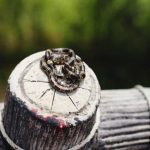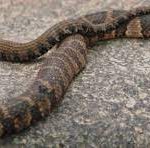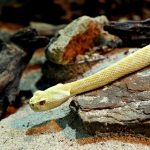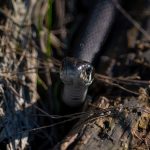
Ringneck snakes eat earthworms, slugs, small salamanders, small lizards, frog tadpoles and insect larvae. Earthworms are the easiest food to find and the best choice for a pet ringneck, which is a tiny snake that needs small meals.

What Ringneck Snakes Eat in the Wild
The ringneck snake (Diadophis punctatus) is a small, secretive snake, usually under 15 inches, with a bright yellow or orange belly and a ring around the neck. It lives under rocks, logs and leaf litter and feeds mostly at night.
- Earthworms and slugs: the main food in many places.
- Salamanders: especially small woodland species.
- Small frogs, lizards and tadpoles
- Insect larvae and soft-bodied insects
- Young snakes, sometimes, of other small species
Ringnecks have mildly toxic saliva that helps them subdue small prey. It is not dangerous to people, and the snakes are gentle and rarely bite.
What to Feed a Pet Ringneck
Ringnecks are often shy and can be hard to keep. Many do not do well in captivity, so they are best left in the wild unless you have experience with small snakes. If you do keep one, offer:
- Earthworms: small, from a bait shop or a worm farm, not from a lawn treated with chemicals.
- Small slugs from a pesticide-free source
- Tiny frozen-thawed fish or pinkie pieces, if the snake accepts them
Feed juveniles every 3 to 5 days and adults every 5 to 7 days, cutting worms to a suitable size. Provide a small water dish, a humid hide and a cool, damp enclosure.
Wild-Caught Snakes and the Law
In many areas, you cannot legally keep wild-caught snakes, and some ringneck subspecies are protected. Check your state or local rules before you take any animal from the wild.
If You Find a Ringneck in Your Yard
Leave it alone. Ringnecks eat slugs and worms and are harmless to people and pets. Avoid using slug pellets and other pesticides in your garden, since these can harm them.
Bottom Line
Ringneck snakes eat worms, slugs and small amphibians. If you are keeping one, earthworms are the safest option; otherwise, enjoy them in the wild. For other small snakes, see what worm snakes eat and whether snakes eat crickets.
If a pet snake stops eating or seems unwell, contact a reptile veterinarian.