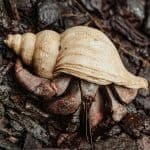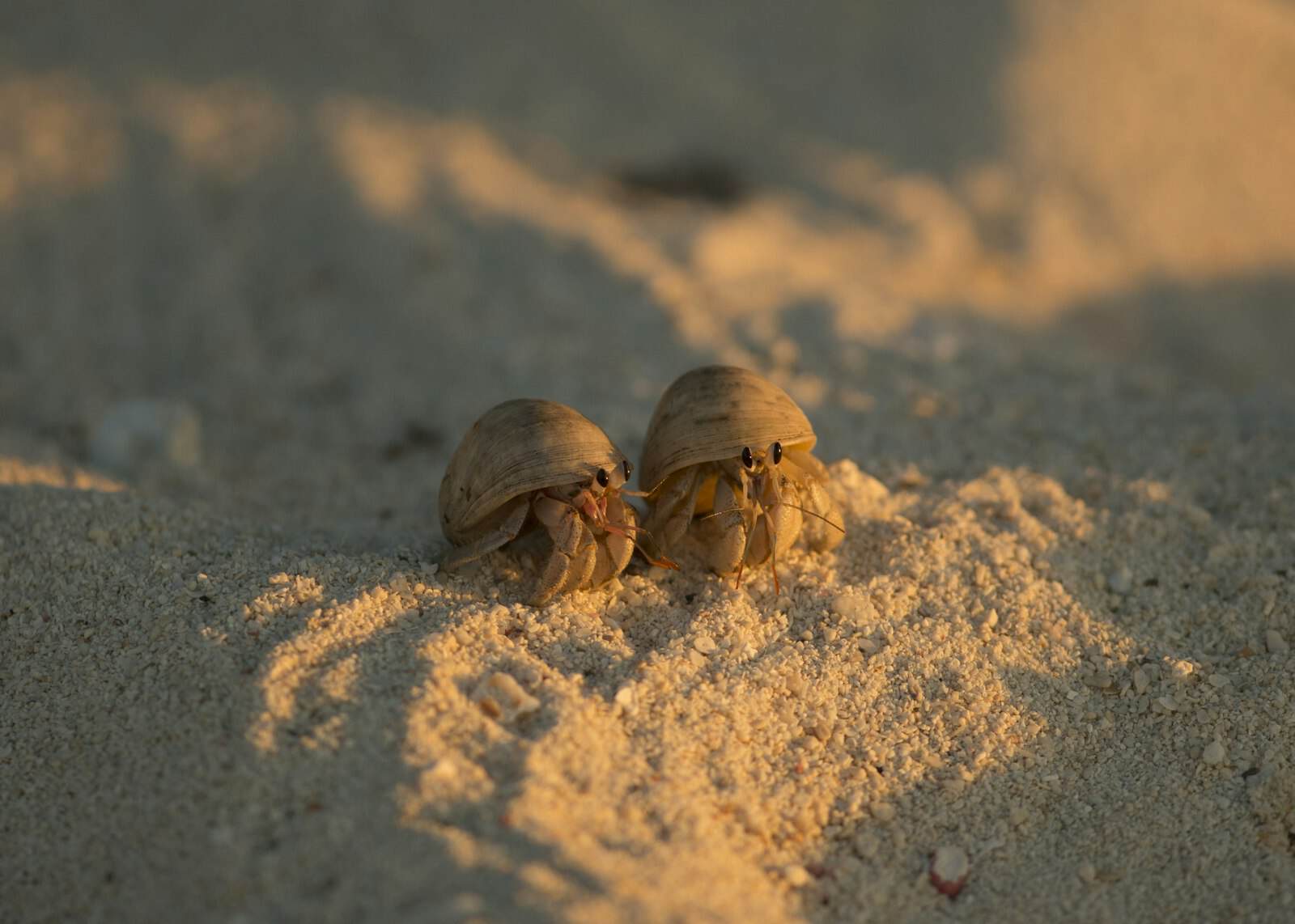
Hermit crabs are scavengers, so they do best on a varied diet: a quality protein source, fresh fruit and vegetables, a constant calcium source and the occasional natural treat. Avoid salty, seasoned or heavily processed foods and foods with chemical preservatives.

Protein
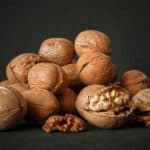
Offer a small amount of unseasoned animal or plant protein several times a week. Good choices include cooked egg, plain cooked chicken or fish, dried shrimp or mealworms, and nuts such as unsalted walnuts or almonds. Rotate sources rather than relying on one.
Fruits and Vegetables
- Fruit: mango, papaya, apple, banana, grapes and berries are favorites. Fruit is high in sugar, so offer it in small pieces as part of the mix, not the whole diet. Citrus is a debated topic among keepers; see our post on hermit crabs and oranges.
- Vegetables: carrot, sweet potato, green beans, peas and leafy greens. Cook hard vegetables lightly or shred them so crabs can pick at them.
- Coconut: unsweetened coconut is a popular snack and a source of healthy fat.
Wash produce well and choose organic where you can, since crabs are sensitive to pesticides.
Calcium
Hermit crabs need calcium to build their exoskeletons and to molt. Keep a calcium source available all the time, such as crushed cuttlebone, crushed oyster shell or clean, dried and crushed eggshell.
Commercial Foods and Preservatives
Many commercial hermit crab foods contain preservatives such as ethoxyquin or copper compounds, and some hermit crab experts warn that these can be harmful to invertebrates. Read the ingredient list and consider fresh foods as the base of the diet instead. Our guide on what hermit crabs eat in captivity has more on this, and it explains why dog food isn’t a good staple.
What to Avoid
Skip salted snacks, sweetened cereals, candy, foods with added seasoning, and anything moldy. Don’t feed plants from roadsides or treated lawns. Remove uneaten fresh food within a day to prevent mold and mites.
Water
Provide two shallow dishes at all times, one with dechlorinated fresh water and one with marine-salt water made with a salt mix designed for aquariums. Never use table salt.
Bottom Line
Feed a mix of protein, fruit, vegetables and calcium, change the food regularly and keep both water dishes full. If a crab stops eating, seems lethargic or you see signs of mites or a bad molt, check humidity and temperature first and ask an exotic pet vet if it persists.
This article is general information, not veterinary advice.