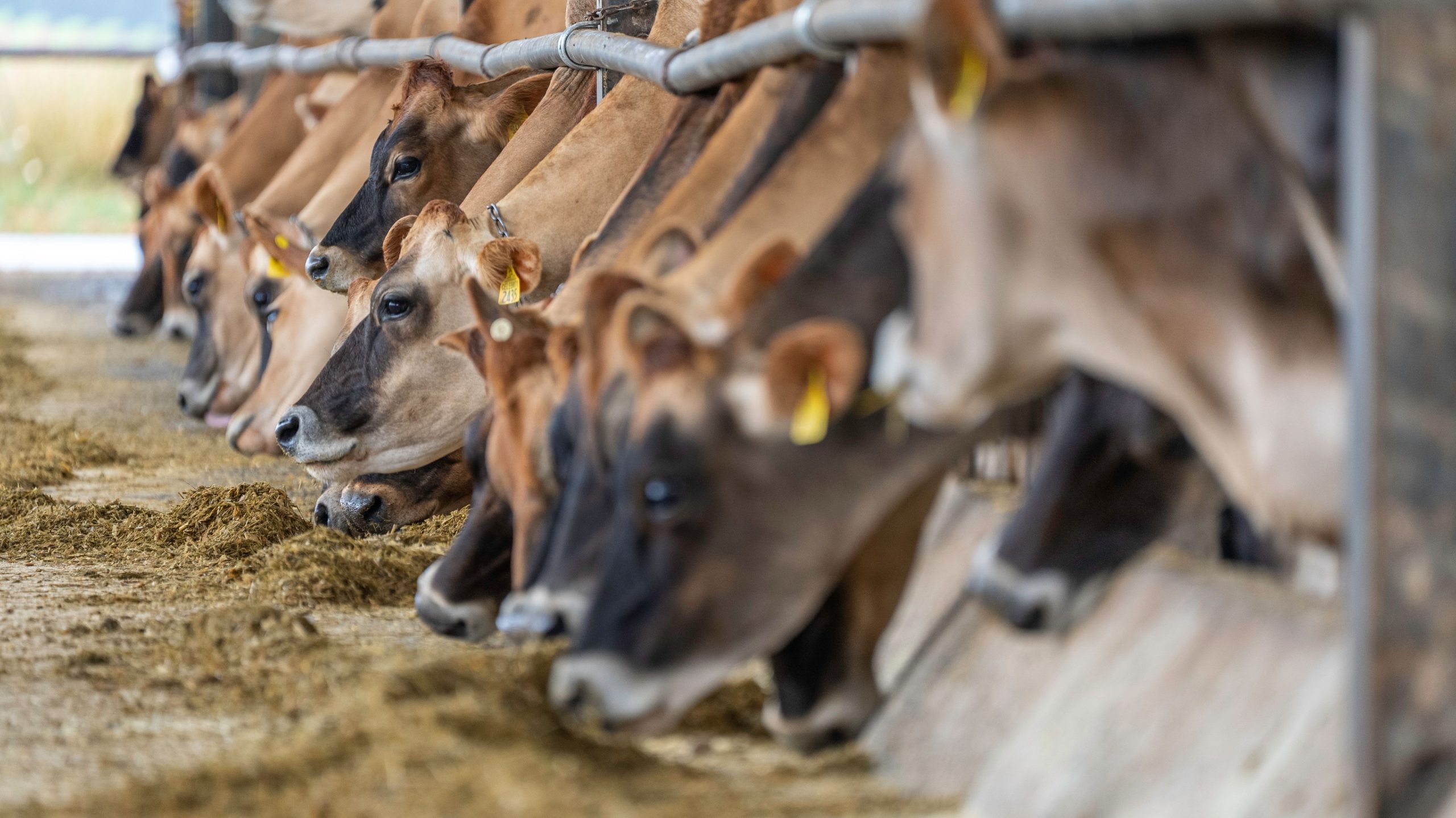
Short answer: there is no single amount. Most cows eat silage as part of a ration, and the right amount depends on body weight, milk production or stage of pregnancy, and the dry matter (DM) of the silage. A mature 1,200 to 1,400 lb cow typically eats about 2 to 3 percent of her body weight in dry matter per day in total, and silage can supply a large share of that. Because silage is wet, the “as-fed” pounds are much higher than the dry matter pounds.

Start with dry matter, not pounds on the scale
Corn silage is usually around 30 to 38 percent dry matter, so it is 62 to 70 percent water. Grass and legume silages vary more, often 30 to 45 percent. That means a cow that needs 20 pounds of dry matter from silage will eat roughly 55 to 65 pounds as-fed. Ask a lab to test your silage, or at least ask your nutritionist for the DM figure, before you do the math.
Simple formula: as-fed pounds = dry matter pounds wanted / DM fraction. For example, 20 lb DM from silage that is 35 percent DM is about 57 lb as-fed.
Rough guides by type of cow
- Lactating dairy cows: corn silage often makes up roughly 30 to 50 percent of ration dry matter, balanced with hay, grain and a protein source. Ration design is a job for a dairy nutritionist.
- Dry cows and beef cows: silage can be a big part of the diet, but they still need a protein and mineral supplement and some long-stem forage.
- Calves and young stock: introduce silage slowly and keep it a smaller part of the diet.
What silage does not provide
Corn silage is a good energy feed but is low in protein (roughly 7 to 9 percent) and low in calcium. Cows eating mostly corn silage need a protein supplement and a balanced mineral. Legume silage like alfalfa is higher in protein. Straw and corn stalks are low-quality fiber, not a replacement for protein.
Feeding safely
- Change the diet gradually over one to two weeks so the rumen can adjust and the cow avoids acidosis.
- Never feed moldy or spoiled silage. Mold and poorly fermented silage can cause listeriosis, digestive upset and abortions. Discard the top layer and any slimy, hot or moldy patches.
- Provide long-stem fiber such as hay so cows keep chewing and the rumen stays healthy.
- Keep fresh water available. Cows eating silage still need plenty of clean water.
- Be careful after drought. Drought-stressed corn can hold high nitrates. Test before feeding.
Related reading
See how much corn silage to feed a dairy cow, whether cows can live on hay alone and our guide to cattle mineral blocks.
Frequently asked questions
Can cows eat only silage?
Not well. They need protein, minerals and long-stem fiber alongside it.
How do I know if silage has gone bad?
Mold, a rotten or ammonia smell, sliminess or heating are all warning signs. When in doubt, do not feed it.
Bottom Line
Work from dry matter, not as-fed pounds, build in protein, minerals and long fiber, introduce silage slowly and never feed spoiled silage. For exact amounts, ask your veterinarian or a livestock nutritionist, because the right ration depends on your cows and your feed test.