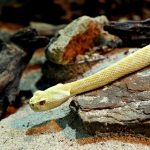
The inland taipan eats mammals, mostly rodents. In the wild, it feeds almost entirely on the long-haired rat and other small mammals found in the dry cracking-clay plains of central Australia. It is one of the most venomous snakes in the world, but it is also shy and rarely encountered.

What the Inland Taipan Eats
- Long-haired rats: the main prey, especially after rains, when rodent numbers boom.
- Other small mammals: native mice and similar rodents.
- Occasionally small birds or lizards, though these are minor.
Its diet is narrow because its habitat is so dry and remote. Food supplies rise and fall with the weather, so the snake has to make the most of what it finds.
How It Hunts
The inland taipan shelters in deep cracks in the soil and in the burrows of other animals. It follows the scent of rodents into these spaces and strikes quickly, often with several bites in a row. Its fast-acting venom is aimed at warm-blooded prey, so the animal is subdued almost at once and cannot injure the snake. This matters, since a rat can bite hard.
Is the Inland Taipan Dangerous to People?
Its venom is extremely potent, but the snake is shy and avoids people. Few bites have been recorded, and modern antivenom has made them survivable. A bite is still a medical emergency. If one happens, call emergency services, keep the person calm and still, and apply a pressure bandage as advised in local first aid guidance.
Not a Pet
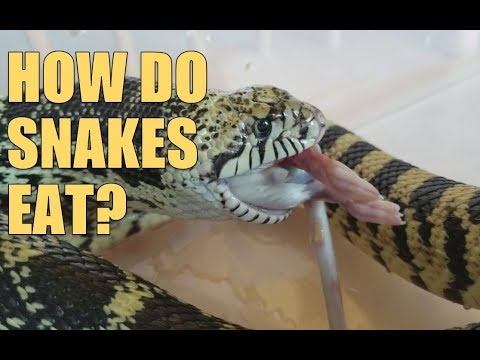
The inland taipan is not a pet. It needs expert handling and, in nearly all places, a special license. Feeding captive animals is done by trained keepers using prepared rodents. For a good home snake, look at species such as the rat snake or ball python.
Bottom Line
The inland taipan is a rodent specialist of the Australian outback. It hunts long-haired rats in burrows and soil cracks with a few quick bites. To read about other venomous snakes, see what vipers eat and what black mambas eat.
Venomous snake bites are emergencies. Seek medical help right away.