The best dried foods for tortoises are dried weeds and flowers (such as dandelion leaf and flower), grass hay, and a pelleted tortoise diet. Dried fruit is not a staple. Most pet tortoises need a high-fiber, low-sugar, calcium-rich diet, so dried foods work best as a supplement to fresh greens and weeds rather than the whole menu.

Good Dried Foods for Tortoises
- Dried dandelion leaf and flower: a favorite for most land tortoises and a useful source of fiber and calcium.
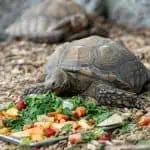
- Grass hay (timothy, orchard grass, meadow hay): great for grazing species such as Hermann’s, Russian and sulcata tortoises. It keeps digestion moving and wears the beak naturally. Use clean, dust-free hay.
- Dried mixed forage and “weed mixes”: blends of plantain, clover, hibiscus and similar plants are widely sold for tortoises and make a good winter-time boost.
- Pelleted tortoise food: choose a plant-based pellet made for tortoises, and soak it briefly if the animal is not drinking much. Brands vary, so check the ingredients. See our reviews of Pretty Pets large tortoise food and food for cherry head tortoises.
Foods to Limit or Avoid
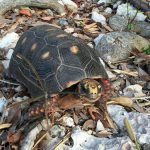
- Dried fruit and berries: very high in sugar once the water is removed. Fruit is not a normal part of most tortoise diets (a few species, such as red-footed tortoises, eat some fruit), so offer only a tiny amount occasionally, if at all.
- Dog, cat or rabbit food: too much protein and the wrong balance of minerals.
- Spinach and beet greens in bulk: they bind calcium, so use them rarely.
- Foods with added sugar, salt or preservatives.
How to Build a Balanced Diet
- Make fresh weeds and leafy greens (dandelion, endive, escarole, collard, mustard greens) the daily base for most species.
- Add dried forage or hay as a fiber-rich supplement and to keep variety through winter.
- Dust food with a calcium supplement (without added phosphorus) a few times a week, and give proper UVB light and warmth so the shell stays strong.
- Always offer fresh water and soak the tortoise now and then, especially young animals.
Needs differ between species (a grazing sulcata and a fruit-eating red-footed tortoise are very different), so look up your species or ask a reptile veterinarian.
Bottom Line
Choose dried dandelion, weed mixes and grass hay as supplements, skip sugary dried fruit, and keep fresh greens at the center of the diet.
If your tortoise stops eating or has soft shell, swollen eyes or runny nose, see a reptile veterinarian.