Short answer: For most backyards, the best wild bird seed is black oil sunflower, either on its own or as the main ingredient in a mix. Add safflower for cardinals, nyjer for finches, and suet in cold weather. Skip mixes padded with red milo and other cheap fillers. Here is what to look for when you shop for wild bird seed at Chewy or anywhere else.

Best Wild Bird Seed Types
Black oil sunflower
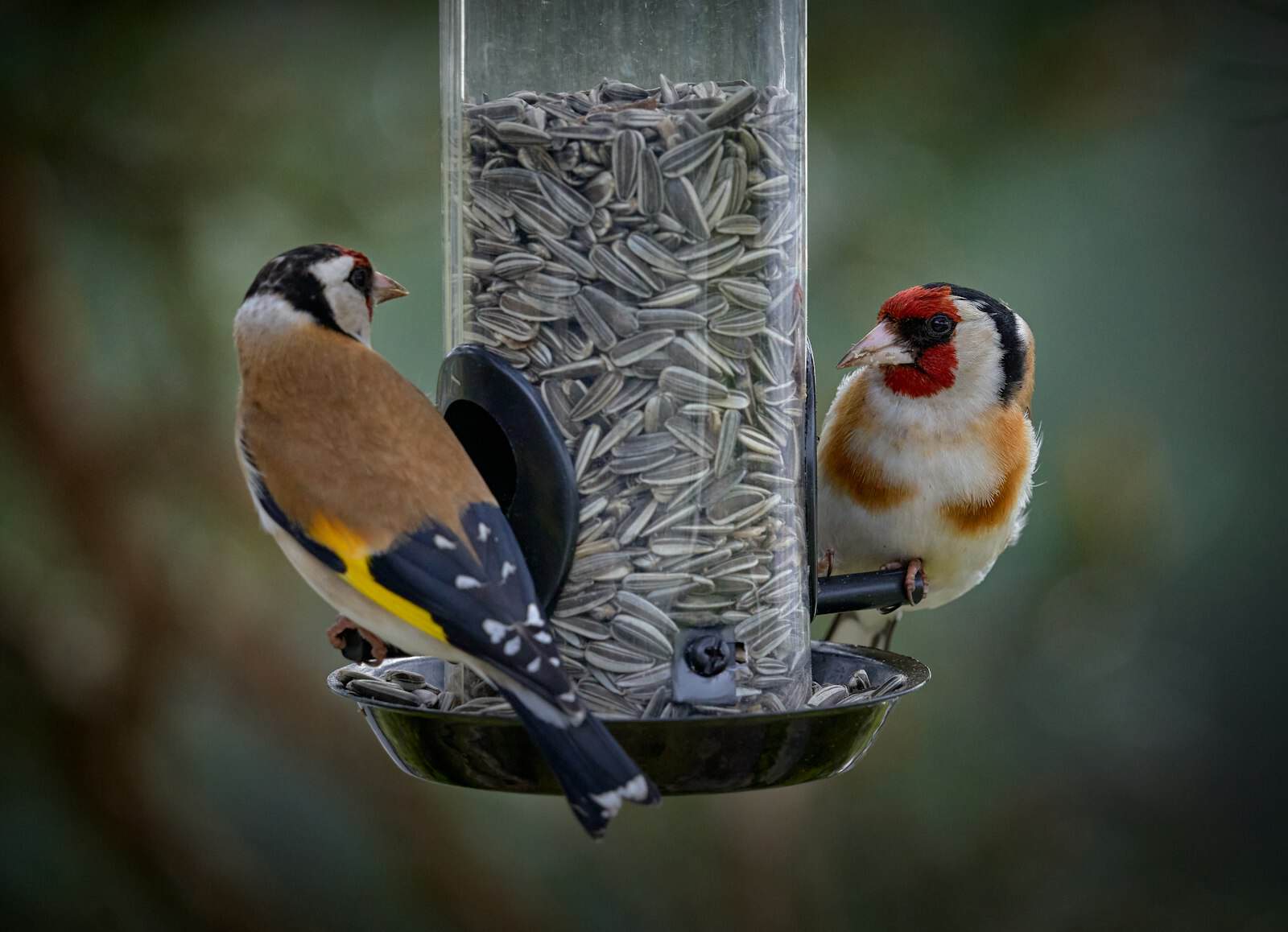
This is the all-around winner. The shells are thin, the seed is rich in fat, and a huge range of birds will eat it, from chickadees and nuthatches to cardinals and finches. If you buy only one seed, make it this one.
Safflower
Cardinals, chickadees, titmice and doves like safflower, while many squirrels, grackles and starlings tend to ignore it. It is a good pick if squirrels are a problem.
Nyjer (thistle)
Tiny, oil-rich seed that goldfinches, house finches and pine siskins love. Offer it in a feeder with small ports so it does not spill, and replace it if it gets stale or wet.
Peanuts and peanut pieces
A favorite of woodpeckers, jays, nuthatches and titmice. Offer shelled, unsalted peanut pieces in a mesh or tray feeder. Use only fresh, unsalted nuts from a reputable bird-food source, because moldy peanuts can carry aflatoxins that are harmful to birds.
White proso millet and cracked corn
These suit ground feeders such as juncos, sparrows and doves. Use them on a platform feeder or scattered in a small area rather than in a hanging tube.
Suet
Suet cakes give woodpeckers, nuthatches and chickadees quick energy in cold weather. In hot weather, choose no-melt suet or skip it.
What to Avoid
- Mixes heavy in red milo, wheat or oats: Many songbirds toss these aside, which leaves waste on the ground and can attract rodents and less welcome birds.
- Bread, crackers, chips and popcorn: These offer little nutrition and are best left off the menu.
- Old or damp seed: If it smells musty, clumps together, or shows mold, throw it out.
Buying Tips
- Check the ingredient list. The first few seeds listed make up most of the bag.
- Match the seed to the birds you see. Check which species visit your yard and buy for them.
- Buy a size you can use within a month or two, or store extra seed in a sealed metal or hard plastic container in a cool, dry spot.
- Compare per-pound prices. Autoship or larger bags often cost less per pound, but only if you will use the seed before it goes stale.
Bottom Line
Start with black oil sunflower, add safflower or nyjer for the birds you want to attract, and avoid filler-heavy mixes. Keep feeders clean and the seed dry. For feeder ideas, see our guide to Chewy wild bird feeders. If price is your main concern, read the cheapest way to feed wild birds, and for store comparisons see wild bird seed at Tractor Supply and at Walmart.