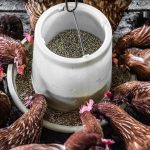
Grubblies are oven-dried black soldier fly larvae sold by Grubbly Farms as a protein-rich treat for chickens. They can be a useful extra during molting and cold weather, but they are a treat, not a replacement for a complete feed.

What Are Grubblies?
Grubblies are the dried larvae of the black soldier fly. The company raises them on pre-consumer food waste, such as bakery and brewery byproducts, then oven-dries them into a shelf-stable snack. Dried black soldier fly larvae are naturally high in protein and fat, and they contain far more calcium than mealworms do. Chickens eat insects in the wild, so most flocks take to them right away.
What They Offer Your Flock
- Protein: helpful for molting hens rebuilding feathers, since feathers are mostly protein.
- Calcium and phosphorus: black soldier fly larvae have a more favorable calcium-to-phosphorus balance than mealworms, which are low in calcium.
- Foraging fun: scattering them on the ground encourages natural scratching and pecking.
- Easy taming: a handful of grubs is a quick way to win over shy or new birds.
Be cautious with marketing claims. Grubblies can add calcium, but they do not replace a complete layer feed or free-choice oyster shell for laying hens. If eggshells are often thin or soft, talk to a vet to rule out health problems.
How Much to Feed
Treats should make up only a small share of the diet, commonly advised at no more than about 10% of what the flock eats. For most backyard chickens, that means a small handful per bird at most, scattered once a day or less. Too many treats crowd out balanced feed and can lead to fat, picky hens.
When They Help Most
- Molting: extra protein supports feather regrowth. See our tips on what to feed a molting chicken.
- Winter: a little fat and protein can be welcome in cold weather.
- Training: grubs make a good reward for coaxing birds into the coop.
Other Animals
Dried black soldier fly larvae are also fed to ducks, quail, wild songbirds, and some reptiles, fish, and small pets. Check the label and your vet before feeding them to any pet other than poultry.
Alternatives
If you want other protein options, read about protein snacks for chickens or try some homemade chicken treats.
Storage
Keep the bag sealed in a cool, dry place so the larvae stay fresh and do not pick up moisture or mold. Discard anything that smells off or looks damp.
Bottom Line
Grubblies are a convenient, protein-rich treat that most chickens love, especially during molting and winter. Feed a small handful, keep treats to roughly 10% of the diet or less, and rely on a complete layer feed and oyster shell for the basics.
This article is for general information and is not veterinary advice. If your hens look unwell or lay poor-quality eggs, contact a poultry vet.