An injured chicken should be moved to a warm, quiet spot away from the flock, given clean water she can reach easily, and offered soft, tempting food such as moistened layer feed, scrambled egg and chopped greens. Serious wounds, broken bones or a hen that refuses food for a day need a vet.

First, separate and assess
Flock mates often peck at a wounded bird, especially if they can see blood. Move her to a dog crate, rabbit hutch or large tote lined with clean towels or shavings. Keep it warm, dim and calm, and keep her where she can still see her flock so she is less stressed.
Check for bleeding, limping, swelling and a lost appetite. If bleeding is heavy, press clean gauze on the wound and call a vet right away. Cornstarch or styptic powder can help stop minor bleeding from a broken blood feather or toenail.
What to feed
- Water first. Place a shallow dish where she can drink without standing. Poultry electrolyte powder made for chickens can be added to the water for a day or two.
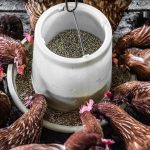
- Her regular feed. Moisten crumble or pellets into a mash so it is easy to eat. A chick starter mash is fine for a short period.
- Soft, protein-rich extras. Plain scrambled or hard-boiled egg, cooked plain chicken, plain yogurt and a few dried mealworms are all popular choices.
- Greens. Chopped lettuce, kale or dandelion greens add moisture and vitamins.
Skip salty, sugary and processed human foods. Laying hens still need a complete feed, so do not replace it with treats for more than a couple of days. For underweight birds, see what to feed an underweight chicken.
Caring for the wound
Rinse minor wounds gently with clean saline or lukewarm clean water, and remove visible dirt. Do not apply home remedies, human creams or leftover medication. Chickens hide pain and infection well, so deep cuts, puncture wounds, swollen joints or a bird that cannot stand should be seen by a vet. Never give antibiotics or wormers without veterinary guidance.
When she can rejoin the flock
Return her once the wound has healed, she is eating and walking normally, and the swelling is gone. Reintroduce her first through a wire divider for a few days so the pecking order settles.
Bottom Line
Quiet, warmth, clean water and soft food give an injured hen the best chance. Do not wait to call a vet if she is bleeding heavily, cannot walk or has not eaten in 24 hours.
This is general information, not veterinary advice. For medication or treatment, contact a poultry or avian vet.