A healthy sugar glider diet is made up of three roughly equal parts: a balanced staple kibble, a nectar- or sap-style mix, and a third part of fresh vegetables, a little fruit and a few insects, plus a calcium-based multivitamin. Adult gliders eat about 15% to 20% of their body weight each day, and fresh water should always be available.

What gliders eat in the wild
Sugar gliders are opportunistic omnivores. In Australia and New Guinea they feed on eucalyptus and acacia sap and gum, pollen, nectar, honeydew and a lot of insects and spiders. Fruit is only a small part of that menu. A pet diet works best when it copies this mix of sweet, sticky foods and protein, instead of leaning on fruit alone.
The thirds method
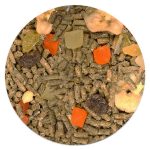
- One third: a staple kibble. Choose a pellet made for sugar gliders and keep it available all night.
- One third: a nectar or protein mix. Examples include a vet-approved homemade mix or a commercial glider nectar. See our guides to Leadbeater’s mix and the BML diet plan.
- One third: fresh extras. Offer a variety of vegetables, a small portion of fruit, a few insects every other day, and a calcium-based multivitamin.
Why calcium matters
Most insects and many fruits and vegetables have more phosphorus than calcium. When the balance tips too far, gliders can develop weak bones, a condition vets call osteodystrophy or metabolic bone disease. Many exotic-pet vets aim for about twice as much calcium as phosphorus in the overall diet. Ask your vet which calcium product to use and how much; do not guess.
Foods to skip
- Chocolate and dairy products, including yogurt drops, which are linked to dental disease and obesity.
- Canned fruit, which can be high in sodium and preservatives.
- Produce that may have pesticide residue; wash everything well and choose organic when you can.
- Very sugary or starchy diets, which cause tartar and weight gain.
- High-oxalate produce, which blocks calcium absorption: spinach, beets, raspberries, strawberries and blackberries are common examples.
Feeding tips
- Gliders are nocturnal, so feed fresh food in the evening and remove leftovers by morning.
- Change diets gradually, over a week or two, and watch that your glider keeps eating.
- Rotate produce so no single food dominates. Our fruit and vegetable guide has ideas.
- Wash food dishes and water bottles daily.
Bottom Line
Balance beats variety for its own sake. Give a sugar-glider-specific staple, a nectar or protein mix, small portions of produce, a few insects and a vet-approved calcium supplement. Because every glider is different, have a vet who sees exotic pets check your plan.
This article is general information, not veterinary advice. If your glider seems weak, drags its back legs or stops eating, call a vet right away.