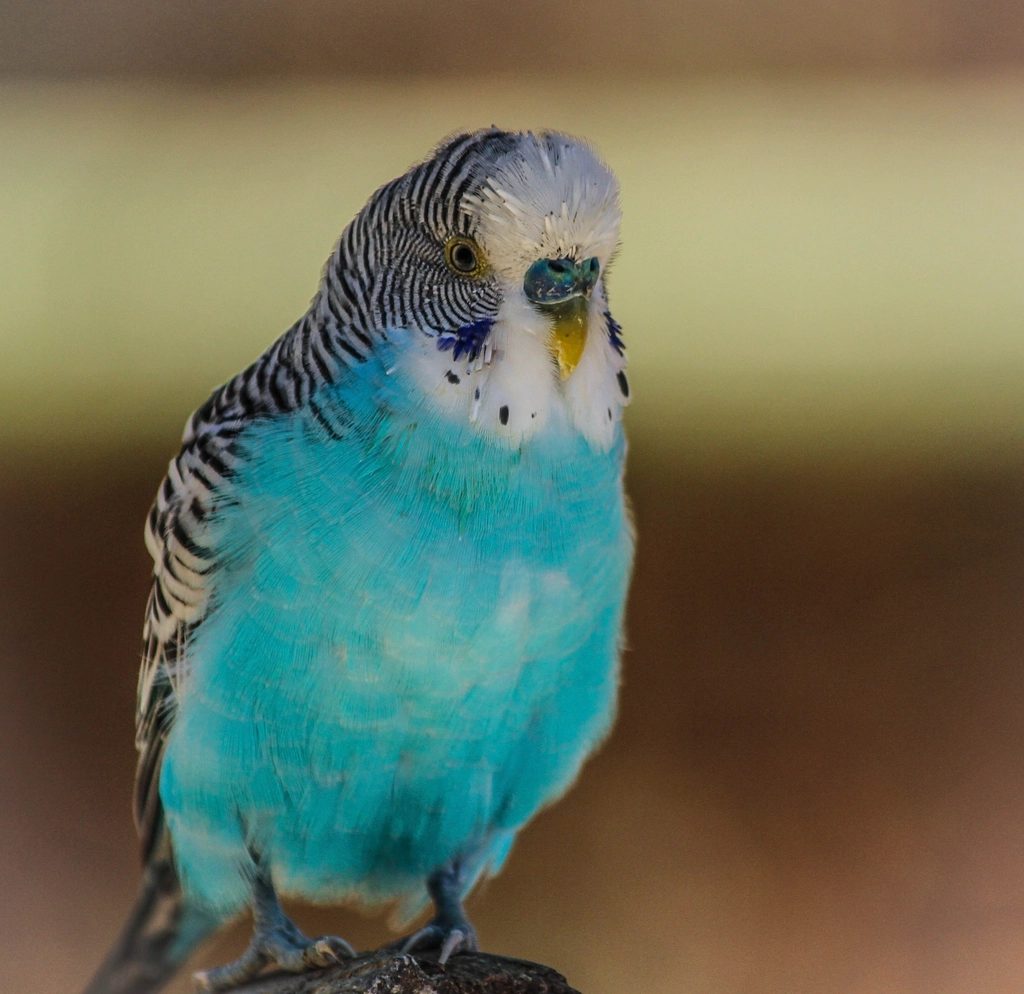
Yes, budgies can eat grapes. Red, green and black grapes are all safe for budgies (parakeets) when washed, seedless or de-seeded, and served in small pieces as an occasional treat. The catch is sugar: grapes are sweet, so they should be a small part of the fruit your bird gets, not a daily staple.

General information, not veterinary advice. If your budgie stops eating, has changed droppings or seems unwell, contact an avian veterinarian.
Are Grapes Safe for Budgies?
Grapes are not toxic to budgies. PangoVet’s vet-reviewed guide to fruit for parakeets says any color or variety of grape makes a tasty snack, and Melbourne Bird Vet advises that budgies can have any fruit or vegetable people eat except avocado, onion and rhubarb.
You may have read that grapes are poisonous to pets. That warning is about dogs. The ASPCA lists grapes and raisins because they can cause kidney damage in dogs; it does not list them as a risk for birds.
How Much Grape Can a Budgie Have?
Think of grapes as part of the fruit share of the diet, and keep that share small. Avian vets describe a budgie diet roughly like this:
| Part of the diet | Rough share | Notes |
|---|---|---|
| Formulated pellets | About 60% to 80% | VCA Animal Hospitals calls pellets the basis of the diet |
| Vegetables and fruit combined | No more than 20% to 25% | Mostly vegetables (VCA) |
| Fruit alone | Around 10% | Because of the sugar (PangoVet) |
| Seed and millet | A small amount | Treats and training rewards, not the main food |
Vets do not agree on exact numbers, and some recommend more vegetables and seed than others. All of them agree that fruit should be the smaller part. In practice, a few small pieces of grape mixed into a dish of chopped vegetables is plenty for one budgie. You do not need to give grapes every day; rotate them with other fruit.
PangoVet also points out that because grapes are so sweet, some birds will pick them out and ignore everything else. If your budgie does that, cut back.
How to Prepare Grapes for a Budgie
- Wash them well. VCA recommends washing all fresh produce thoroughly. Grapes are often sprayed, so rinse them under running water. Organic grapes are a good choice if you can get them.
- Remove any seeds. Most grapes sold in stores are seedless. If yours have seeds, take them out.
- Pull off the stem.
- Cut into small pieces. VCA suggests cutting fruit and vegetables into bird-sized pieces. Small budgies handle quarters or smaller bits more easily than a whole grape. The skin can stay on.
- Serve in a separate dish, or mix the pieces into chopped vegetables so your bird eats both.
- Remove leftovers. Take out uneaten fresh food within a couple of hours, sooner in warm weather, so it does not spoil.
Grape Products to Skip
- Raisins. Dried fruit packs the sugar into a tiny bite. PangoVet advises avoiding dried fruit for parakeets.
- Grape juice and jelly. These are mostly sugar and often have additives.
- Canned fruit in syrup. Too much added sugar.
- Grapes that are moldy, mushy or past their best. If you would not eat it, do not give it to your bird.
What If My Budgie Won’t Eat Grapes?
That is fine. Grapes are optional. Budgies can be wary of new foods, and VCA notes it may take several exposures before a bird accepts something new. Try offering a small piece next to a food your bird already likes, or eat a grape in front of it. If it still is not interested, offer other fruit such as apple (no seeds or core), berries or melon.
What matters far more than grapes is getting your budgie onto a balanced base diet. See our guides on what to feed parakeets besides seeds and fortified parakeet food. When you change your bird’s diet, do it slowly over weeks and make sure it is still eating every day.
Foods Budgies Should Never Eat
While grapes are safe, a few foods are not:
- Avocado. VCA says it is potentially toxic and should never be fed to birds, and the ASPCA warns it can cause heart damage and death in birds.
- Onion and rhubarb (Melbourne Bird Vet).
- Chocolate, caffeine and alcohol.
- Salty, fried or heavily processed foods.
- Apple seeds and the seeds and pits of pears, cherries, plums and apricots. PangoVet notes these contain compounds that can release cyanide.
If you think your budgie ate something toxic, call an avian vet or a pet poison hotline right away.
Bottom Line
Budgies can eat grapes. Wash them, remove seeds and stems, cut them small, and offer a few pieces now and then alongside vegetables. Keep fruit to a small share of the diet, skip raisins and grape juice, and build the rest of your bird’s meals around pellets and fresh vegetables. For more ideas, try our homemade parakeet food recipes.
FAQ
Can budgies eat grape skins?
Yes. There is no need to peel grapes. VCA notes it is not necessary to remove the skin from fruit for budgies, but wash it well.
Can budgies eat red and green grapes?
Yes. Any color or variety of grape is fine, as long as it is fresh, washed and seedless.
Can budgies eat raisins?
It is best to skip them. Raisins are dried grapes with concentrated sugar, and vets advise against dried fruit for parakeets.
Can baby budgies eat grapes?
Once a young budgie is weaned and eating on its own, it can have small pieces of grape like an adult. Unweaned chicks should stay on the feeding plan your avian vet or breeder gives you.
How often can a budgie eat grapes?
Now and then, as one of several fruits you rotate. Keep total fruit to roughly a tenth of the diet, and give vegetables more often than fruit.
Sources
- VCA Animal Hospitals: Budgies, Feeding
- PangoVet (The Vet Desk): Fruits Parakeets Can Eat (vet-reviewed)
- Melbourne Bird Vet: Diet for Budgerigars
- ASPCA: People Foods to Avoid Feeding Your Pets
This article is general information, not veterinary advice. Ask an avian veterinarian about the right diet for your budgie.