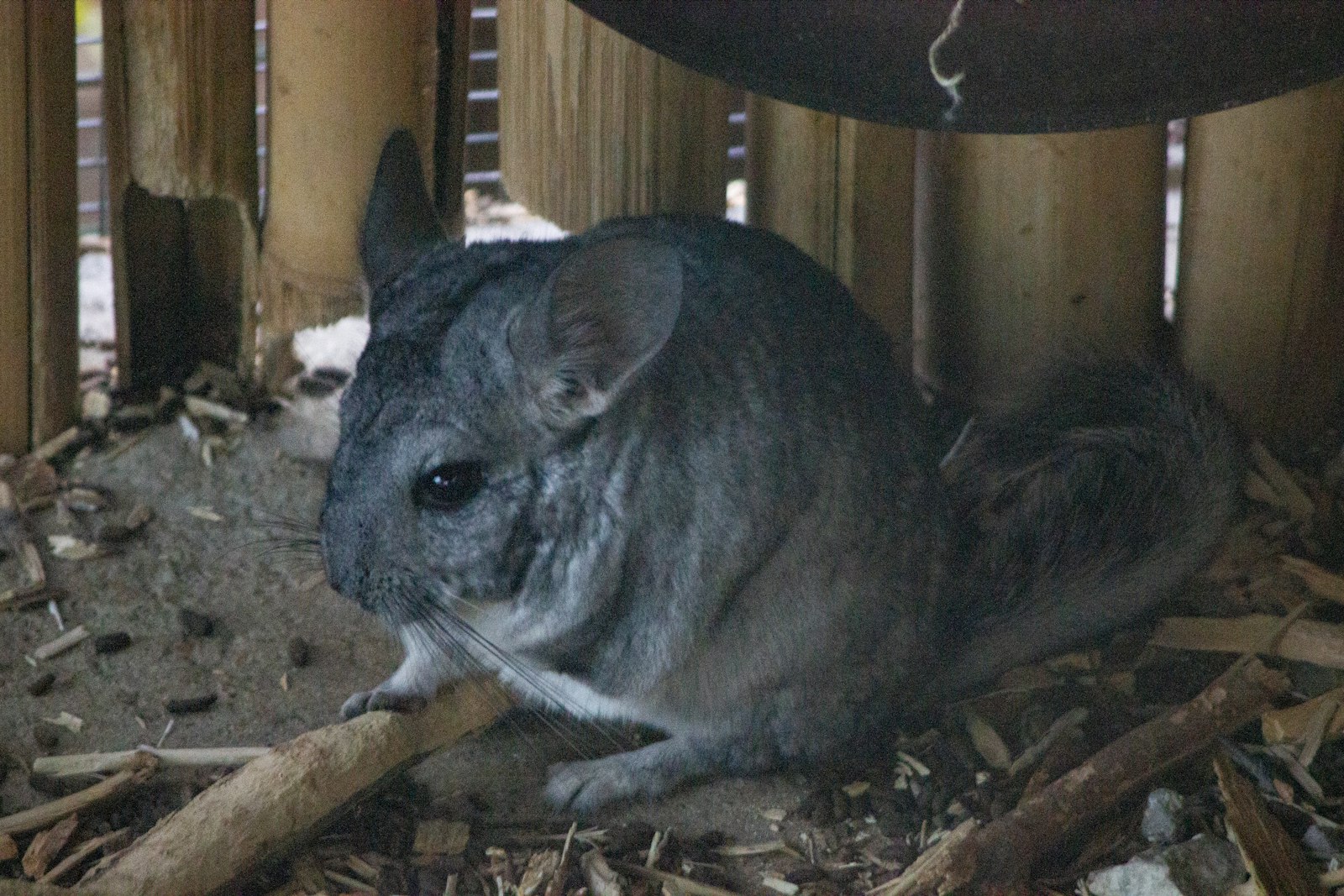
Critical care food is a powdered, high-fiber recovery formula that you mix with water and feed by syringe to a chinchilla that is not eating enough on its own. It keeps the gut moving and the calories coming in while your vet treats the real problem. It is a support tool, not a cure, so a chinchilla that stops eating should always see a vet.

What Is Critical Care Food?
The best-known product is Oxbow Critical Care Herbivore, which is made for rabbits, guinea pigs, and chinchillas. Many exotic vets keep it on hand. According to Oxbow:
- Main ingredients: timothy grass meal, soybean hulls, soybean meal, and wheat germ, plus added vitamins and minerals.
- Nutrition: at least 17% protein, at least 5% fat, and 21% to 26% fiber, with about 24 calories per tablespoon of powder.
- Sizes: small single-use packets up to a 1 lb bag.
It is nutritionally complete, so it can replace normal food for a short time while a chinchilla recovers.
When Does a Chinchilla Need It?
Chinchillas are built to eat fibrous food almost constantly. When one stops eating, the gut slows down, and that quickly makes things worse. Vets commonly recommend critical care feeding for chinchillas that are:
- Eating much less than normal, or not at all
- Recovering from surgery or dental work
- Dealing with dental disease, such as overgrown teeth
- Recovering from digestive problems such as gut slowdown or bloat
- Losing weight during an illness
Warning Signs to Act On
Chinchillas hide illness well. Call your vet the same day if you notice any of these:
- Not eating, or dropping food while trying to chew
- Fewer, smaller, or no droppings
- Drooling or wet fur under the chin
- A swollen or tight belly
- Sitting hunched, or much less active than usual
- Weight loss
A chinchilla that has not eaten or passed droppings for half a day needs urgent care. Do not wait to see if it improves, and do not start syringe feeding before talking to a vet if the belly looks bloated.
How to Mix It
Oxbow’s directions are simple:
- Mix 1 part powder with 2 parts warm water.
- Stir until smooth. Add a little more water if it is too thick to pass through the syringe.
- Make it fresh for each feeding, and throw away anything left over after 24 hours.
How Much to Feed
Oxbow’s label guideline for herbivores is 3 tablespoons of dry powder per kilogram of body weight per day, split into 4 to 6 feedings. Most adult chinchillas weigh well under a kilogram, so the daily amount is small.
Treat that as a starting point only. Your vet will set the amount and schedule for your chinchilla based on its weight and condition.
How to Syringe Feed Safely
- Get set up first. Have the mixed food, a feeding syringe, and a towel ready. Your vet can supply the right syringe.
- Hold your chinchilla upright. Wrap it loosely in a towel and keep it in a normal sitting position. Never feed a chinchilla on its back.
- Use the gap behind the front teeth. Slide the syringe tip into the side of the mouth, behind the incisors.
- Go slowly. Give a small amount, then pause and let your chinchilla chew and swallow before giving more.
- Stop if it struggles. Forcing food can send it into the airway. Take a break and try again later.
- Clean up. Wipe any food off the fur around the mouth and chin.
Ask your vet or a vet tech to show you the technique before you try it at home. It is much easier after you have seen it done once.
Other Care During Recovery
- Keep hay and water available. Offer fresh grass hay, such as timothy or orchard grass hay, the whole time. The goal is to get your chinchilla eating on its own again.
- Weigh daily. A kitchen scale that reads in grams works well. Write the numbers down for your vet.
- Watch the droppings. More droppings, and bigger ones, are a good sign.
- Give medication only as prescribed. Never use leftover or human medicine. If you have questions about a medication, call your vet.
- Skip sugary extras. Do not mix in juice, fruit puree, or treats unless your vet tells you to. See what not to feed chinchillas.
What If You Do Not Have Any?
If your chinchilla stops eating and you have no critical care food at home, call your vet or an emergency clinic first. As a short-term stopgap, many vets suggest soaking your chinchilla’s regular pellets in warm water and mashing them into a smooth slurry. It is not a replacement for a vet visit.
Is Eating Droppings a Problem?
No. Chinchillas produce special soft droppings called cecotropes and eat them to absorb nutrients they missed the first time. It is normal, healthy behavior and not a sign that something is missing from the diet.
Getting Back to Normal Food
As your chinchilla starts eating again, your vet will have you reduce the syringe feedings step by step. VCA Animal Hospitals recommends a normal diet of unlimited grass hay plus 1 to 2 tablespoons of plain chinchilla pellets a day, such as Oxbow Chinchilla Essentials. Make any diet change gradually.
Bottom Line
Critical care food can keep a sick chinchilla fed and its gut working, but it does not fix the cause. If your chinchilla is not eating, call your vet the same day, feed the recovery formula as directed, and keep hay and water on offer until it is eating normally again.
This article is for general information only and is not a substitute for veterinary advice. A chinchilla that stops eating needs to be seen by a veterinarian, ideally one experienced with exotic pets.


