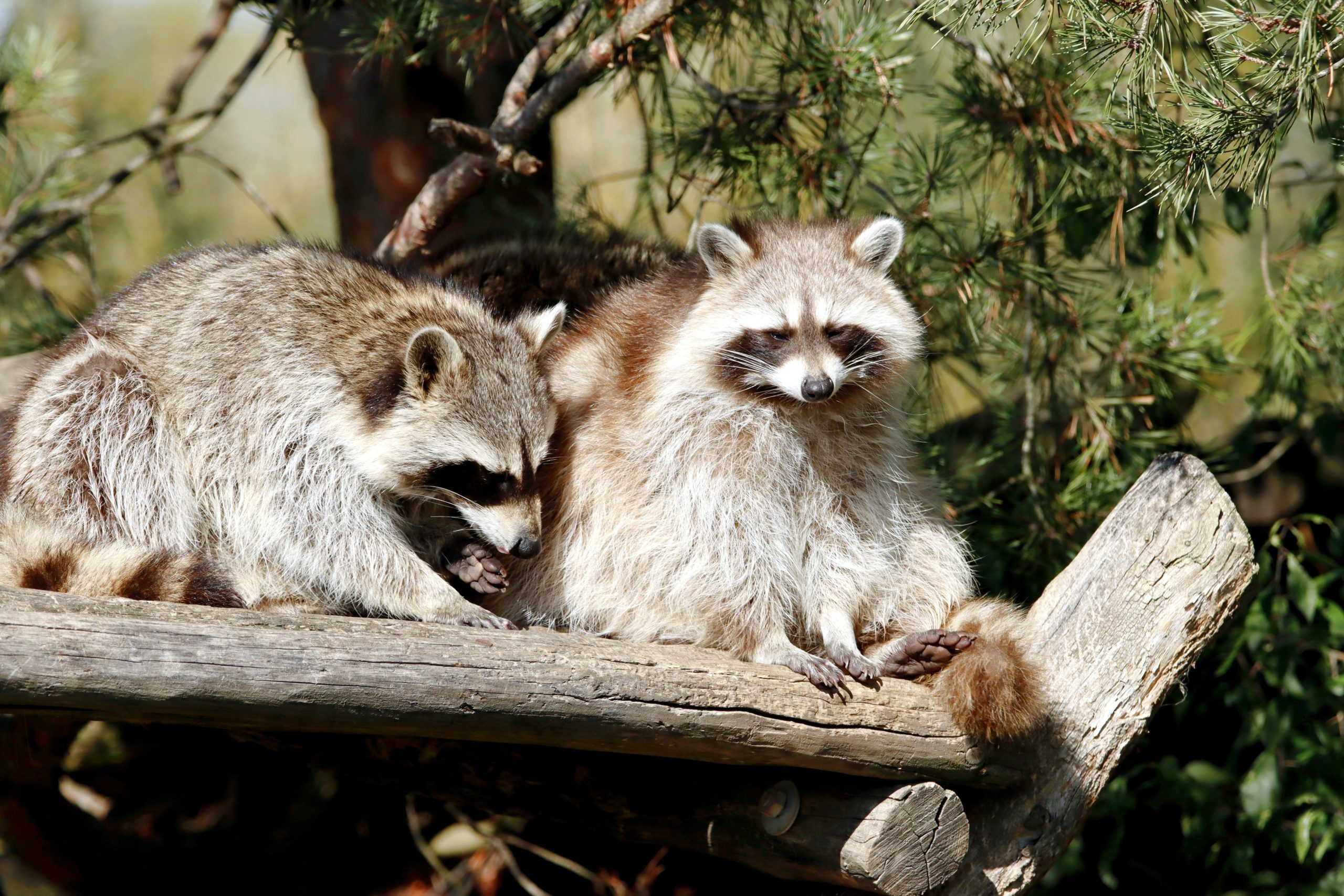
Raccoons steal pet food all the time, and videos of them dunking a cat’s kibble in water are popular for a reason. But it is a real problem. Raccoons can carry diseases and parasites that threaten pets and people, so the best answer is to stop them from getting to the food in the first place. Feed pets indoors, pick up bowls after meals and never feed wild raccoons.

Why Raccoons Go for Pet Food
Raccoons are omnivores and opportunists. They eat fruit, nuts, insects, eggs, small animals and anything people leave out. A bowl of cat or dog food is an easy, calorie-rich meal, especially at night when raccoons are most active. They are good with their hands and often “wash” food in water, which is why videos show them dunking kibble.
Why It Is a Problem
- Disease risk: raccoons can carry rabies, leptospirosis and raccoon roundworm, whose eggs in droppings can infect people and pets. Pets that have not had their vaccines are at the highest risk.
- Fights: a raccoon cornered at a food bowl may scratch or bite a cat or small dog.
- Habituation: once raccoons learn there is food at your house, they return, bring friends and may move into attics, sheds or under decks.
How to Keep Raccoons Away From Pet Food
- Feed indoors. If you must feed outside, do it during the day and bring the bowl in as soon as your pet finishes.
- Store food securely. Keep kibble in a sealed container with a locking lid, inside the house, garage or a latched cabinet.
- Secure the cat door. Use a lock or a microchip-activated flap at night if raccoons are coming in.
- Clean up. Sweep up spilled food, and keep trash cans closed with a bungee cord or locking lid.
- Remove other attractants. Fallen fruit, bird seed and open compost draw raccoons too.
- Do not feed wildlife. It is illegal in some areas and causes problems for neighbors.
If You Meet a Raccoon
- Keep your distance and bring pets inside.
- Do not try to handle or corner it.
- If a raccoon seems sick, aggressive or is out in broad daylight and acting strangely, call animal control or a wildlife agency.
- If your pet has been bitten or scratched, call your veterinarian right away and check that vaccines are current.
Keeping Your Cat’s Food Safe
If you need advice on what to feed your cat in the first place, see our guides to the best cat food for kittens and Acana cat food.
Bottom Line
Raccoon food-theft videos are funny, but raccoons can spread disease and hurt pets. Feed indoors, lock up food and trash and call a professional if a raccoon shows signs of illness.
This is general information. Ask your vet about vaccines and parasite prevention for your pets.