If you keep a marbled gecko, feed it small, gut-loaded insects such as pinhead crickets, flightless fruit flies, and dubia roach nymphs, three to seven times a week depending on age. Marbled geckos are carnivorous insect eaters. They do not need fruit, berries, or nectar to stay healthy.

Daily and weekly routine
| Life stage | Feeding | Best foods |
|---|---|---|
| Hatchling | Daily | Flightless fruit flies, pinhead crickets |
| Juvenile | Daily or every other day | Small crickets, roach nymphs |
| Adult | 2 to 3 times a week | Small crickets, roaches, silkworms |
Choosing insects
Crickets and dubia roaches make good staples. Silkworms, small mealworms, and the occasional waxworm add variety. Prey should be smaller than the width of your gecko’s head. Skip large, hard insects that are difficult to digest.
Dust and gut-load
Lightly dust feeders with calcium powder, adding a reptile multivitamin about once a week. Gut-load feeders with oats and leafy greens or a commercial gut-load for a day before offering them.
Water and humidity
Place a shallow water dish in the enclosure and mist lightly each evening. Marbled geckos lick droplets from surfaces. Keep ventilation good so the enclosure dries between mistings.
About the marbled gecko
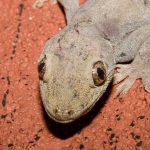
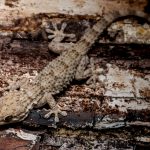
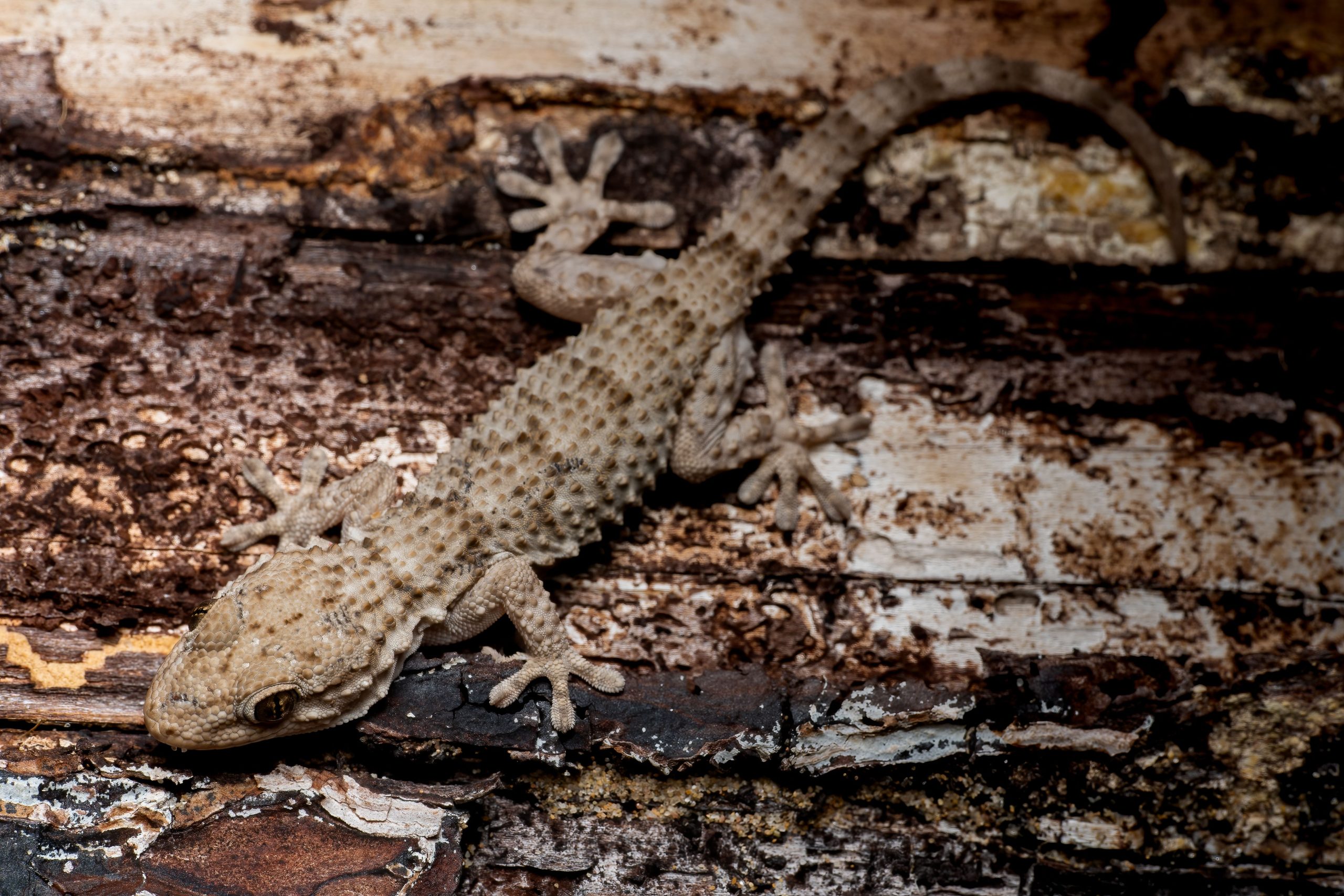
The marbled gecko (Christinus marmoratus) is a small, nocturnal gecko from southern Australia, also found in New Zealand. It is a good climber that hides under bark and rocks by day and hunts small insects and spiders at night.
Housing basics
Provide hides, bark and vertical climbing surfaces. Keep daytime temperatures in the mid-70s to low 80s Fahrenheit, a bit cooler at night, and use a thermometer and hygrometer. Check a care sheet for your gecko’s specific needs.
Why is my gecko not eating?
Stress, wrong temperatures or shedding can reduce appetite. If it lasts more than a week or the gecko loses weight, see an exotic-pet veterinarian.
How to tell your gecko is healthy
- A rounded, plump tail base
- Bright eyes and active evening hunting
- Clean, complete sheds
See a reptile vet if your gecko has trouble shedding, shows tremors, or has soft or bent limbs.
Related
For the wild diet and species background, read The Marbled Gecko Diet. The house gecko diet uses a similar feeding approach.
Bottom Line
Keep marbled geckos on a rotating mix of tiny, gut-loaded insects with calcium, and offer water droplets nightly. Fruit is not necessary.
This article is general information, not veterinary advice.