What Can Alpacas Not Eat?

Alpacas should not eat toxic plants, moldy feed, large amounts of grain, or feeds with ionophores like monensin. Here is a list of foods and plants to avoid.

Alpacas should not eat toxic plants, moldy feed, large amounts of grain, or feeds with ionophores like monensin. Here is a list of foods and plants to avoid.

What to feed a canary and when: a simple daily routine with pellets or seed, greens, a little fruit, egg food, calcium and fresh water.

What alpacas can and cannot eat: grass hay, camelid minerals, safe treats, toxic plants and feeds to avoid, with safe feeding tips.

The best pasture for alpacas is a mix of orchardgrass or meadow fescue with white clover. Learn which grasses to plant, which to avoid, and how to manage hay and parasites.

Suet cakes are a high-energy food for woodpeckers, chickadees and nuthatches. Learn which suet to buy, how to serve it, and when to avoid it in hot weather.

Alpaca pellets are a supplement, not a main meal. Learn when alpacas need them, what to look for on the label and how to introduce them safely.

Shopping for H-E-B wild bird seed in Texas? Here is how to read the label, which Texas birds each seed attracts, and how to avoid wasted filler.
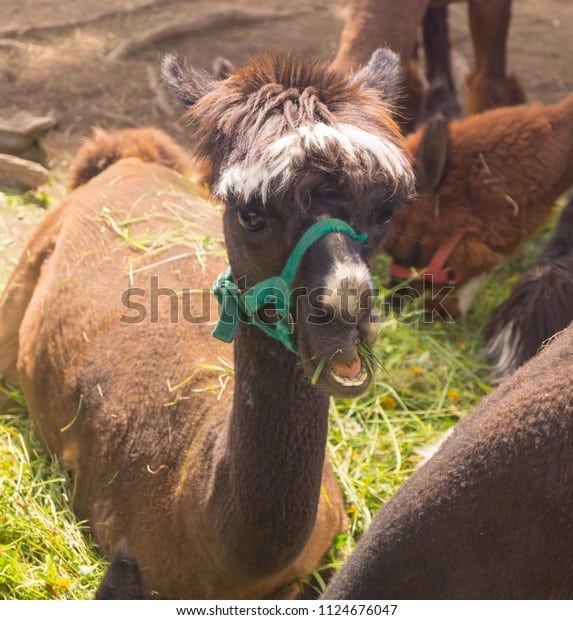
Alpacas mostly like grass and hay, with a few treats like carrots and apples. Here is what they enjoy, what to avoid and how to feed treats safely.

What to know before buying H-E-B wild bird seed: how to read the label, the best seed for cardinals, finches and doves, and how to store it.

Save money feeding wild birds: buy black oil sunflower seed and a couple of single seeds in bulk, store them dry, and skip filler-heavy mixes.