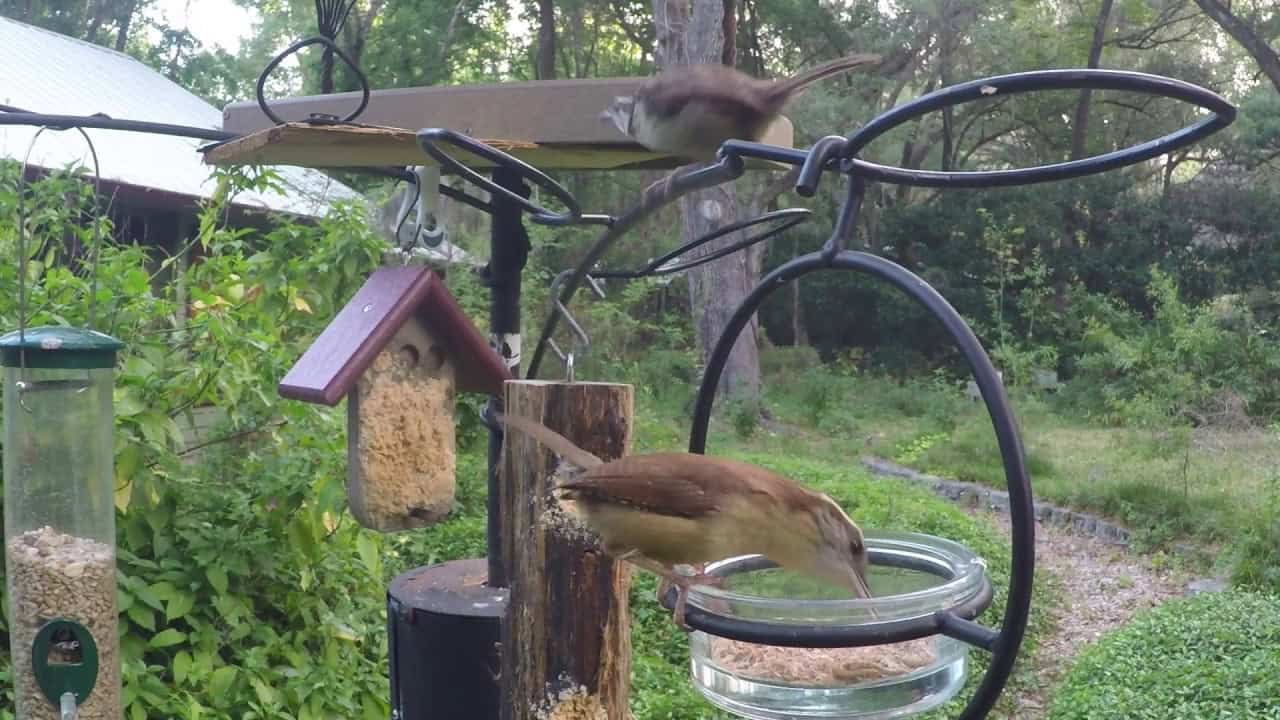
Pennington sells wild bird foods that combine seed with dried mealworms, and plain dried mealworms are also sold on their own. Mealworms give wild birds extra protein and fat, and they attract insect-eating birds that rarely visit a seed-only feeder. Check availability at your local Tractor Supply or on Pennington’s website, since stores stock different products.

Which birds eat mealworms
Bluebirds, wrens, chickadees, titmice, nuthatches, woodpeckers, robins, mockingbirds and catbirds will all take mealworms. They are most useful in spring and summer, when parents are feeding young, and in cold weather, when insects are scarce.
Dried or live?
- Dried mealworms: easy to store, no mess, and available in mixes. Soaking them in warm water for a few minutes makes them softer and adds moisture.
- Live mealworms: more attractive to many birds, but you must keep them cool and replace them often.
How to offer them
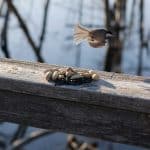
Put mealworms in a small dish or platform feeder, or a feeder designed for them. Offer a small handful at first and increase as birds find them. Bluebirds are happiest with a feeder that has an entrance hole sized to keep larger birds out. Replace uneaten mealworms every day or two in warm weather, and clean the dish regularly.
Keep them in balance
Mealworms are a supplement, not a staple. Birds also need a varied natural diet, so keep offering black oil sunflower, suet or other seed (see what to feed wild birds besides seed). Avoid feeding mealworms to young nestlings by hand, because the hard shells are hard for tiny birds to digest and wildlife rehabbers use special diets. Fresh water also matters; chickadees and other birds need it even in winter, so use a heated bird bath or change the water daily.
Bottom Line
A seed-and-mealworm blend or a dish of dried mealworms is an easy way to bring in bluebirds, wrens and woodpeckers. Offer small amounts, keep them fresh, and always provide water.