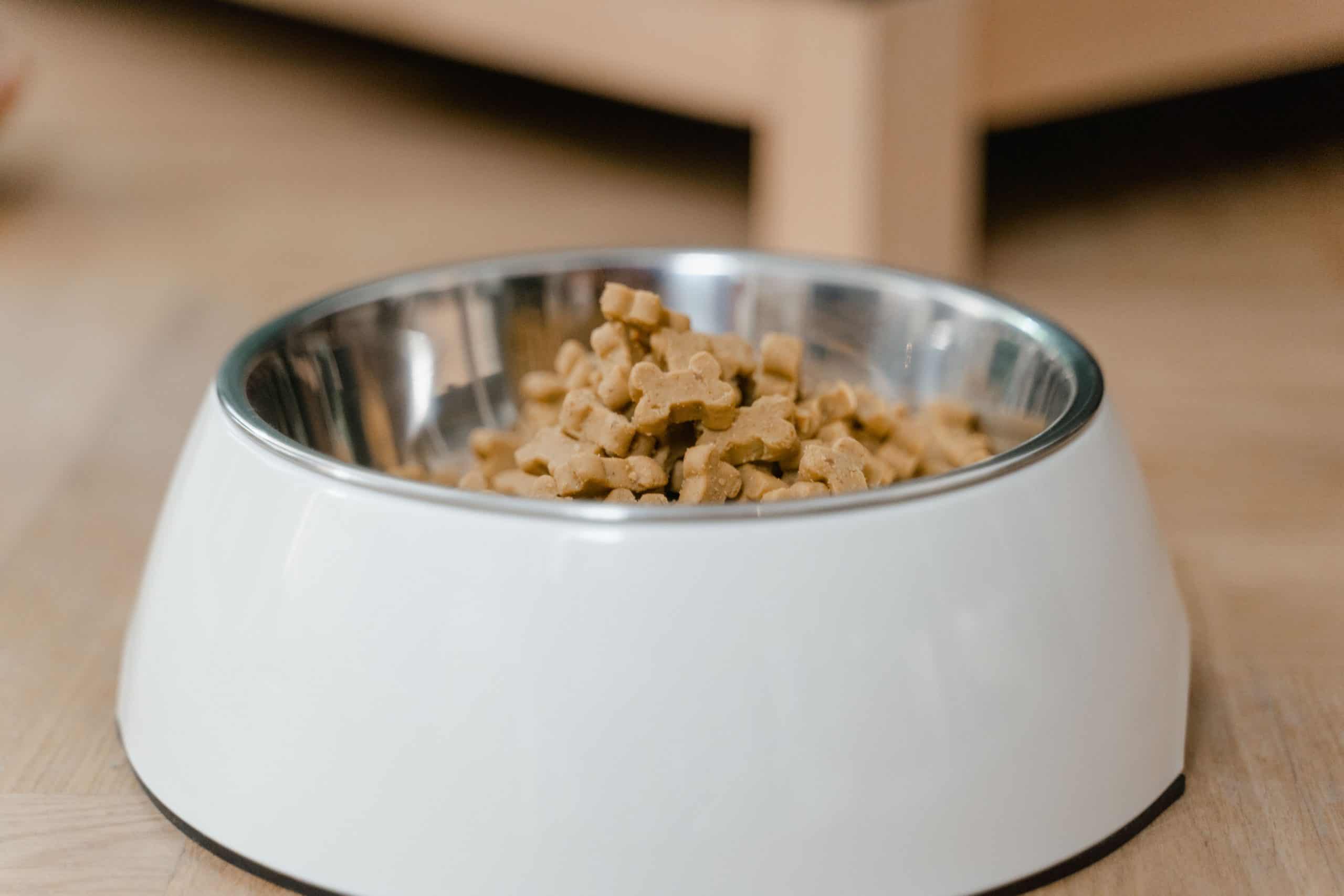
Royal Canin Hypoallergenic is a prescription veterinary diet made for dogs with food allergies or food intolerances. Its main feature is hydrolyzed soy protein, which is broken into pieces so small that a dog’s immune system is much less likely to react to it. Because it is a therapeutic diet, you need a vet’s okay to buy and feed it.

What “Hypoallergenic” Means Here
Most food allergies in dogs are reactions to a protein the dog has eaten before, such as chicken or beef. In a hydrolyzed diet, the protein is broken down (hydrolyzed) into small fragments. The immune system often does not recognize these fragments as a threat, so the itching, ear infections or stomach upset linked to the old protein may settle down.
That is different from a regular “limited ingredient” food. Limited ingredient foods simply use fewer ingredients. A hydrolyzed diet changes the protein itself, which is why vets often use it for a strict elimination trial.
Who Might Need It
Vets commonly suggest a diet like this when a dog has signs that point to a food reaction:
- Itchy skin, paw licking or recurring ear infections that do not go away
- Chronic loose stools, gas or vomiting with no other clear cause
- Dogs that did not improve on over-the-counter “sensitive” or limited ingredient foods
These signs have many possible causes, including fleas, environmental allergies and infections. Do not start a prescription diet on a guess. Your vet can rule other causes in or out first.
How an Elimination Trial Works
The only reliable way to confirm a food allergy is a strict food trial, usually lasting 8 to 12 weeks. Your vet will guide the details, but the basic rules are simple:
- Feed only the prescribed diet. No other treats, chews, table scraps or flavored medications unless your vet approves them.
- Check that everyone in the home follows the same rules, including kids and visitors.
- Keep notes on itching, stools and energy so you can show your vet what changed.
- Switch foods slowly over about a week by mixing a little more of the new food in each day, unless your vet says otherwise.
Things to Know Before You Buy
- It needs a prescription. You can order it through your vet or an online pharmacy that checks with your vet.
- It costs more than regular food. Ask your vet for the exact feeding amount so you do not overfeed.
- Soy is the protein source. This is fine for most dogs, but tell your vet if your dog has had a known reaction to soy.
- It comes in dry and canned forms. Check the label on the bag or can you buy for the exact recipe and feeding guide.
- Not for cats. Royal Canin makes a separate feline hypoallergenic diet. Never swap dog and cat therapeutic foods.
Alternatives to Talk About With Your Vet
Other options include different hydrolyzed diets from other brands and novel-protein diets that use a meat your dog has never eaten. Your vet can help you pick based on your dog’s history. If you are comparing other Royal Canin diets, see our Royal Canin Glycobalance review and our Royal Canin Gastrointestinal guide, or browse alternatives to Royal Canin SO.
Frequently Asked Questions
Can I buy Royal Canin Hypoallergenic without a prescription?
No. It is sold as a veterinary diet, so retailers will ask for your vet’s authorization.
How long until I see a difference?
Skin signs can take 8 to 12 weeks to clear up fully. Stomach signs often improve sooner. Your vet will set the timeline.
Can I give treats during the trial?
Only treats your vet approves. Hydrolyzed treats exist for this purpose.
Bottom Line
Royal Canin Hypoallergenic uses hydrolyzed soy protein to help dogs with confirmed or suspected food allergies. It works best as part of a strict, vet-guided food trial. Talk to your vet before starting it, and stick to the plan for the full trial period.
This article is general information, not veterinary advice. Always check with your vet about your dog’s diet and health.