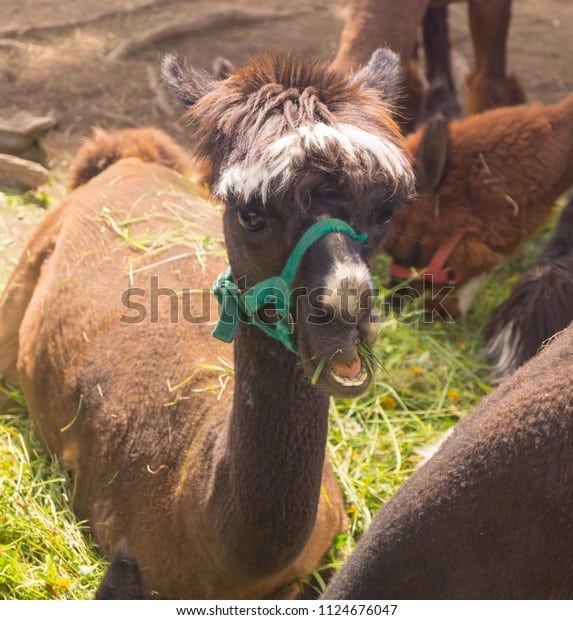
Alpacas should not eat toxic plants, moldy hay or silage, large amounts of grain or sweet treats, or any feed that contains ionophores such as monensin, which can be deadly to camelids. Their diet should be mostly good grass and hay, with a mineral supplement made for alpacas.

Feeds to avoid
- Feed with ionophores (monensin, lasalocid and similar). These additives are in some cattle, poultry and goat feeds and are toxic to alpacas and llamas. Never feed or let them reach a feed that carries these on the label.
- Moldy or spoiled hay, silage or grain. Mold and listeria can cause serious illness. Do not feed hay that is dusty, musty or wet.
- Large amounts of grain. Grain is not poisonous in small controlled amounts, but a lot of it can cause acidosis, bloat and founder. Alpacas do not need much concentrate unless pregnant, nursing, growing or underweight, and then amounts should be set with your vet.
- Feeds for other species. Sheep, goat, horse and cattle feeds can have the wrong balance of minerals, such as too much copper or the wrong vitamin level.
- Sugary or processed human food. Cookies, cake, candy, chips and bread can upset the digestive system.
Foods and treats to avoid
- Avocado (leaves, skin, pit and fruit)
- Chocolate and caffeine
- Onions, garlic and chives
- Rhubarb leaves
- Large pieces of apple, carrot, potato or other hard foods, which can choke an alpaca. Cut treats into small pieces.
- Large amounts of cabbage-family vegetables like broccoli, which may cause gas
Toxic plants
Check pastures and fence lines for plants such as:
- Rhododendron and azalea
- Oleander
- Yew
- Bracken fern
- Ragwort (tansy ragwort) and other pyrrolizidine plants
- Foxglove
- Black walnut shavings and wilted maple leaves
- Nightshades
- Laurel and some ornamental shrubs
Cut or pull these where alpacas graze, and never throw lawn or garden clippings into the pen. Ask your county extension office or vet for a list of plants that are poisonous in your area.
What alpacas should eat
Alpacas do best on pasture grass and good-quality grass hay, clean water and a mineral supplement formulated for camelids. Small amounts of vegetables or fruit, cut small, are an occasional treat. You can read more in what alpacas can and cannot eat and what vegetables alpacas can eat.
If your alpaca eats something it should not
Call a veterinarian right away if your alpaca eats a possible toxin, stops eating, seems bloated or lethargic, or has diarrhea or trouble breathing. Keep a sample or photo of the plant or feed to show the vet.
Bottom line
Stick to good grass, hay, clean water and a camelid mineral, keep ionophore feeds and toxic plants away from the herd, and introduce any new food slowly.
This is general information. Always check with your veterinarian about your herd’s diet.