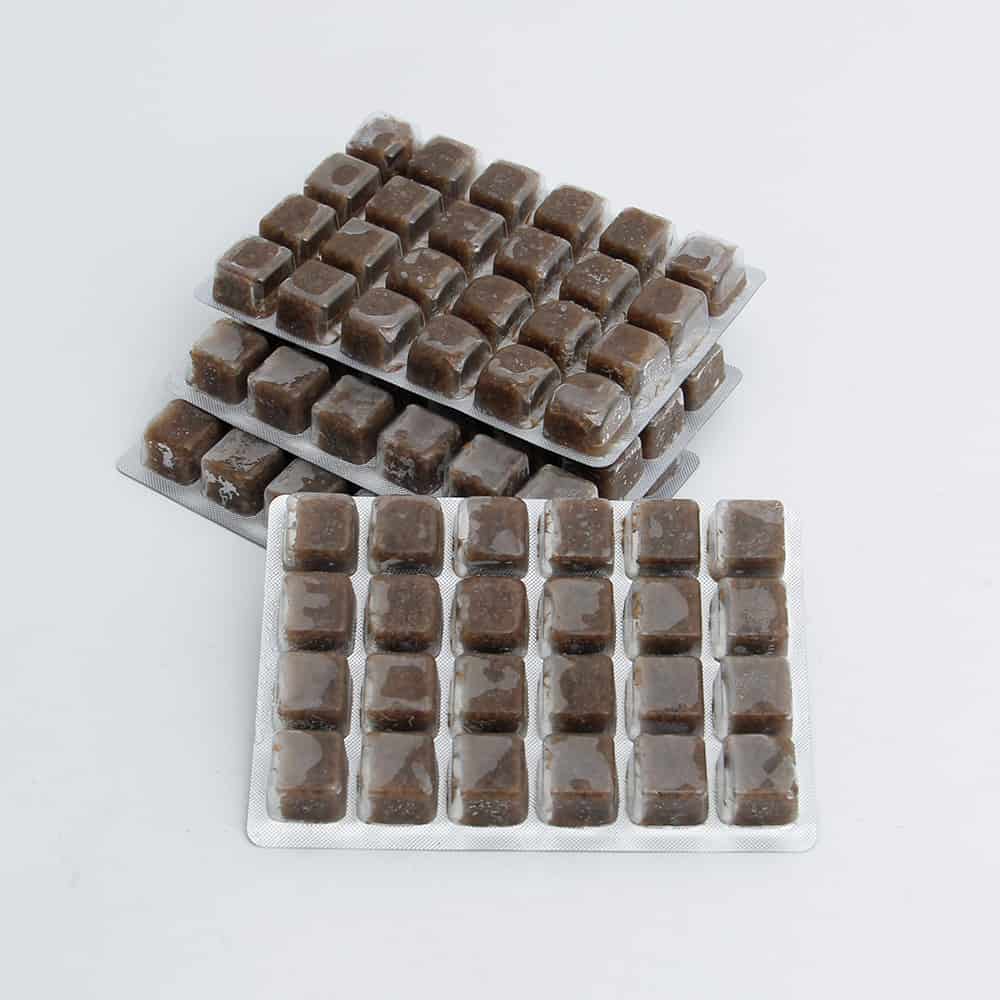
Short answer: bettas are carnivores, so good treats are small, meaty foods such as frozen or freeze-dried bloodworms, brine shrimp and daphnia. Offer treats once or twice a week on top of a high-protein betta pellet, and keep portions tiny.

Best treats for bettas
- Frozen bloodworms: high in protein. Thaw first and feed a few pieces.
- Brine shrimp (frozen or live): a favorite, and good for picky eaters.
- Daphnia: a gentle, fiber-rich food that can help with mild constipation.
- Freeze-dried foods: convenient, but soak them in a little tank water first so they do not swell in the stomach.
- Mysis shrimp: a nutritious frozen option.
Use with caution
- Tubifex worms: can carry bacteria and parasites if they are not from a clean source. Many keepers skip them.
- Mealworms: fatty and hard to digest. If used, offer very rarely and cut small.
- Garlic: some keepers soak food in garlic juice to entice picky eaters, but claims that it cures disease are not proven. Do not rely on it for a sick fish.
Foods to avoid
Bread, human snacks, large amounts of plant matter and fish flakes made for other species do not meet a betta’s needs. Never offer anything seasoned, salted or cooked in oil.
How much and how often
- A betta’s stomach is about the size of its eye, so feed only what it eats in about two minutes.
- Give treats no more than once or twice a week and cut back the pellets that day.
- Remove uneaten food so it does not foul the water.
Signs of overfeeding
Bloating, stringy waste, cloudy water and lethargy can mean overfeeding or constipation. Skip a day, then offer a small portion of daphnia. If symptoms last, check water parameters and contact an aquatic vet.
Related reading
See how to feed betta fish bloodworms, how much daphnia to feed a betta and how much brine shrimp to feed a betta.
Bottom Line
Stick to small portions of frozen or freeze-dried bloodworms, brine shrimp and daphnia as occasional treats, and keep a quality betta pellet as the main diet.