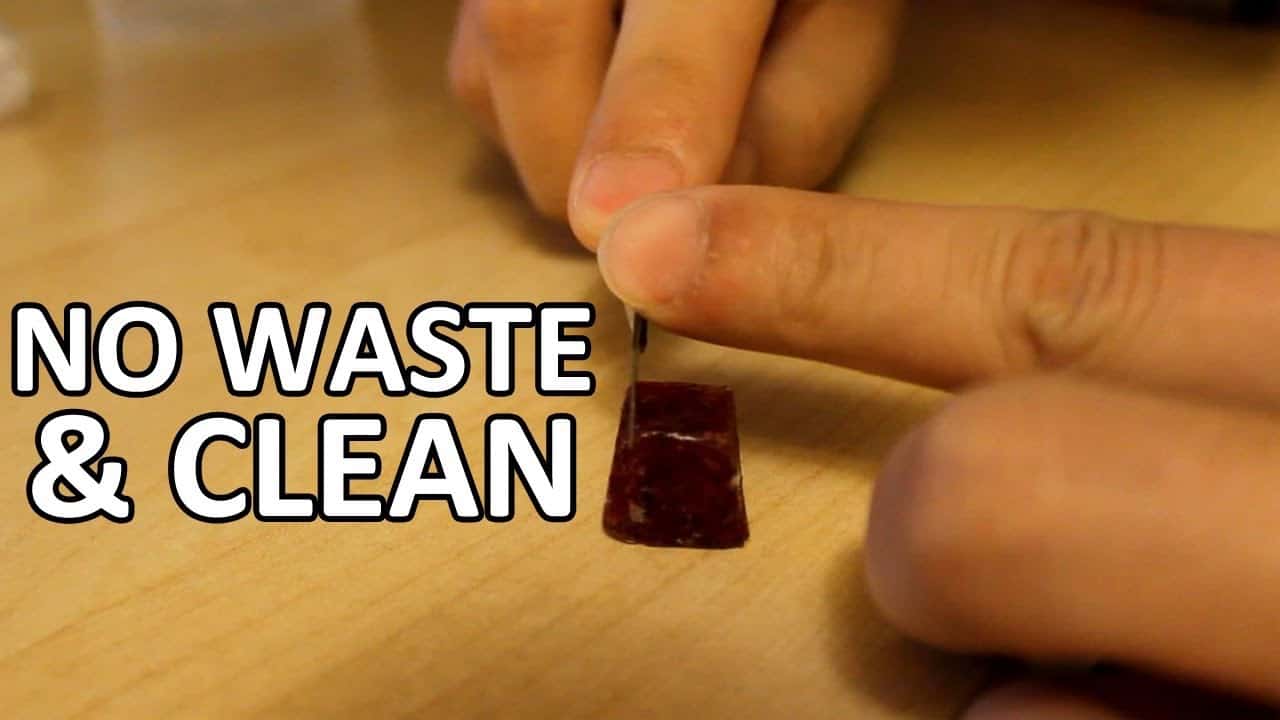
Feed a betta two or three bloodworms at a time, as a treat once or twice a week, not as the main food. Frozen bloodworms are the safest and easiest to use: thaw a small piece in a spoonful of tank water, then drop in only what your betta can eat in a minute or two. Freeze-dried bloodworms should be soaked first, and live ones carry the most risk.

Frozen, Freeze-Dried or Live: Which Is Best?
| Type | Pros | Cons |
|---|---|---|
| Frozen | Keeps nutrition well, no parasites from a reputable cube, easy to portion | Needs freezer space and thawing |
| Freeze-dried | Shelf stable and convenient | Expands when wet, so it should be soaked before feeding |
| Live | Most natural to hunt | Can carry bacteria or parasites if not from a clean source, and are harder to store |
How to Feed Frozen Bloodworms
- Break off one small piece of the frozen cube.
- Thaw it in a spoonful of tank water for a minute or two.
- Use a spoon or turkey baster to drop the worms near your betta, and avoid tipping in the thawing water.
- Remove uneaten worms after a couple of minutes.
Return the rest of the cube to the freezer. Do not refreeze food that has fully thawed.
How to Feed Freeze-Dried Bloodworms
Soak the pieces in a small cup of tank water for five to ten minutes before feeding. Dry worms swell inside the fish after eating, which can lead to bloating or constipation. Feed two or three soaked worms at most.
How to Feed Live Bloodworms
Buy from a source that keeps them clean and rinse them in dechlorinated water before use. Because of the contamination risk and the hassle, most hobbyists stick to frozen. Never collect worms from ponds or ditches.
How Often and How Much
- Bettas are carnivores that do well on a high-protein betta pellet as the staple.
- Bloodworms are a treat, once or twice a week.
- Two or three worms per feeding is plenty for an adult betta.
- Bettas have small stomachs, roughly the size of their eye.
For more on portions, see how many dried bloodworms to feed a betta. Other treat ideas are in what can I give my betta as a treat, and you can rotate with brine shrimp or daphnia.
Signs You Are Overfeeding
- A swollen belly or visible bloating.
- Long, stringy or pale droppings.
- Floating or struggling to swim after meals.
- Uneaten food rotting on the bottom.
If you see these signs, skip feeding for a day or two, feed a little less afterward, and check your water. Daphnia is often used as a gentle meal for constipation. Ongoing symptoms call for an aquatic vet or an experienced fish store.
Bottom Line
Choose frozen bloodworms when you can, soak freeze-dried ones, keep portions tiny, and give them only as an occasional treat on top of a good betta pellet. This article is general information, not veterinary advice.