There is no single best finisher feed for every herd. The right one fits your animals’ age and weight, your goals (show, freezer beef or market), the forage you already have, and what your local feed store and a nutritionist recommend.

What a finisher feed does
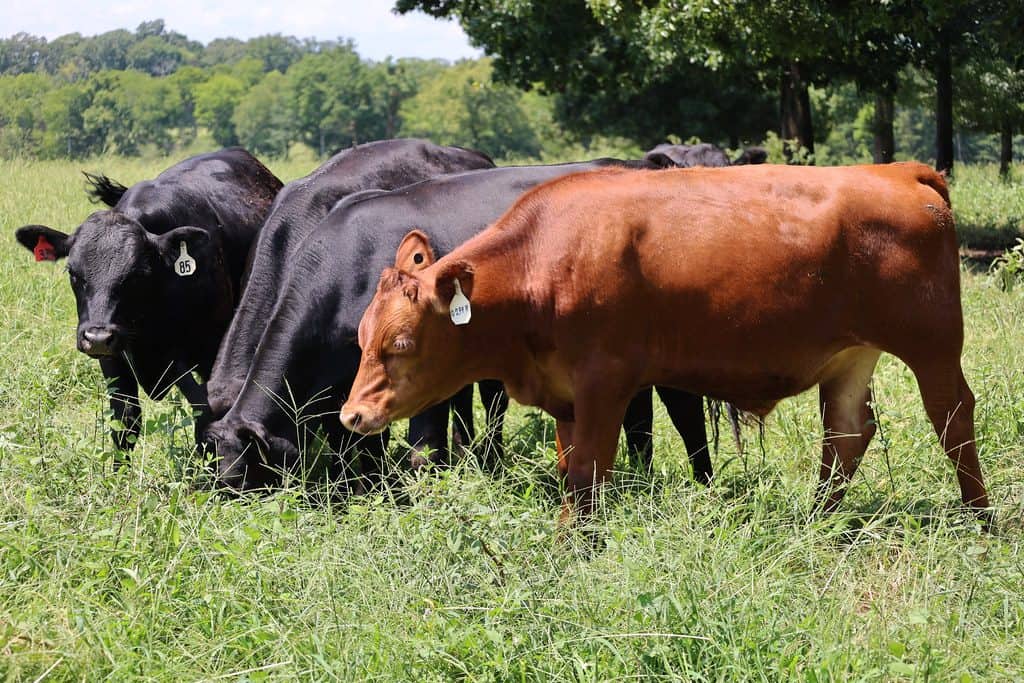
A finisher is the last-stage ration, fed to add weight and condition before slaughter or show. It is typically higher in energy (grain and by-products) and lower in protein than a starter or grower. Finishing steers usually do well on rations with crude protein in the low teens, but the exact number depends on age, breed and body weight.
How to compare finisher feeds
- Read the tag. Check crude protein, crude fat, fiber and any added minerals. Compare feeds on the same dry-matter basis.
- Match the animal. Show calves, commercial steers and heifers have different needs. Pick a feed made for your class of cattle.
- Texture. Textured feeds with some whole grain stimulate appetite and cut down dust; pellets and cubes are easier to handle but may be less palatable.
- Medications. Some feeds contain additives. Follow the label and your vet’s advice, and never feed products meant for other species.
- Cost per pound of gain. Cheaper feed is not always cheaper if cattle gain more slowly. Track gain and feed cost.
Introduce it gradually
High-grain finishers can cause acidosis and bloat if cattle jump straight onto them. Increase the grain slowly over two to three weeks, keep good-quality hay or other roughage available, and provide constant clean water. Feed at the same times each day to keep intake steady. If you are building your own ration, see the best grain mix for beef cattle and which grains for cows are the best.
Bottom Line
Choose a finisher made for your class of cattle, compare tags and cost of gain, and transition slowly with roughage and water. Ask your vet or a livestock nutritionist to review the ration, especially for show animals.