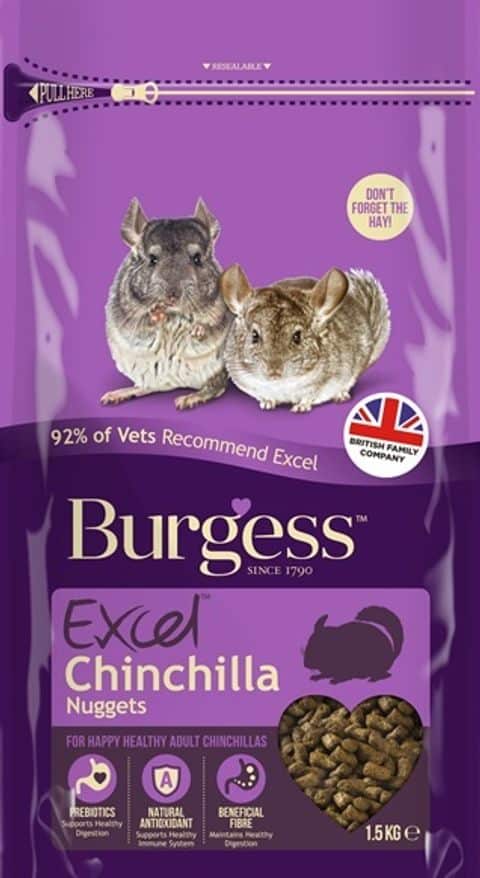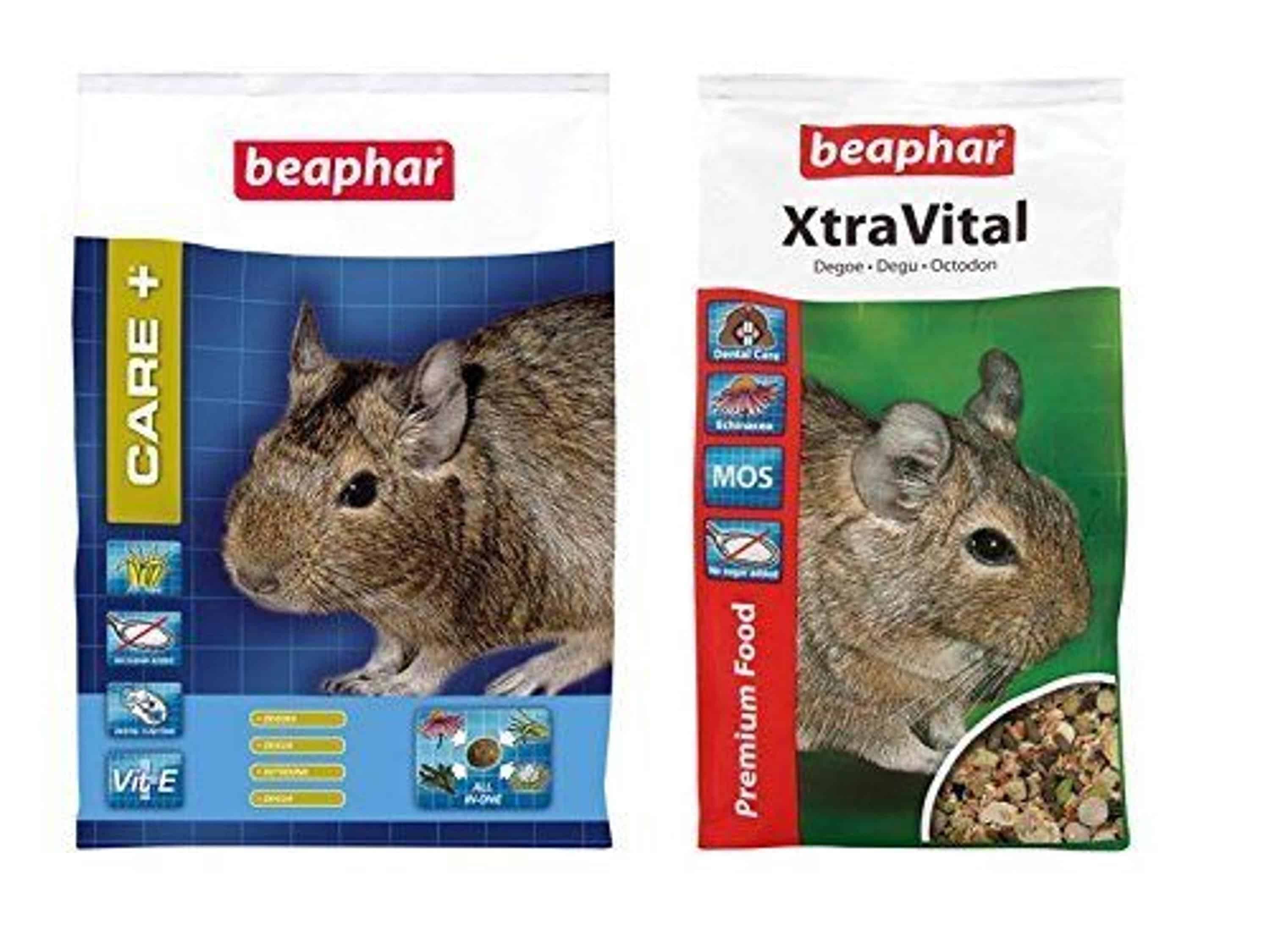
Selective degu food is a highly nutritious diet for your pet degu. It is formulated for the unique nutritional needs of degus, who need a low-fat diet high in vitamin C. It contains high-quality fibre for a healthy digestive system, and broccoli and basil provide natural antioxidants, known for their nutritional benefits. Supreme Degu Food contains a balanced amount of vitamins and minerals that help to maintain the degu’s overall health and well-being.

Selective should be introduced gradually, ideally over ten to fourteen days. It is best to mix the new food with the old one so as to minimize any upsets. It may take a few weeks for the degu to adjust to a new diet, particularly if it is accustomed to a high-sugar diet. But with time, you can gradually introduce it into their regular diet and make them happy. However, it’s important to make sure you provide your degu with healthy food and snacks.
The food from SCIENCE Selective Science is packed with all the essential nutrients a degu needs. The diet contains added Vitamin C to support the immune system and promote dental health. It contains no added sugars or artificial colours. It is also easy on the wallet and is a great option for owners with degus. Besides Selective for degus, you should also provide fresh vegetables and high-quality hay. Keep Selective for degu food in a dry, cool place.
SCIENCE Selective Degu Food also contains broccoli and basil. These ingredients mimic the diet of degus as much as possible. These vegetables contain low levels of fat and high amounts of vitamin C. In addition, SCIENCE Selective Degu Food contains natural antioxidants, such as dried basil and broccoli, which are known for their health benefits. All ingredients are high-quality, so your degu will enjoy them. And it’s also important to provide fresh vegetables and clean water.
Degus are generally healthy pets, but some health issues are common. Degus are very sensitive to dietary sugars and can suffer from cataracts, milk-like lenses in the eyes. The latter can be a consequence of diabetes. Cataracts also develop in young degus, and you should have your degu checked for diabetes to ensure that it is not suffering from this condition. This can be a life-threatening condition, so it is crucial to give your degu the best possible diet.
When choosing a diet for your degu, it is important to choose one that reflects its natural diet. Most degus prefer a diet rich in leaves and shrubs, and you must choose a food that matches their preferences. Degus can develop diabetes when fed too much sugar, and some research has used degus as a model for diabetes. If you’re unsure what kind of diet is right for your degu, consider a commercial rodent pellet, or a block of rodent food. Grass hay is also suitable, as long as you don’t add too much of it.