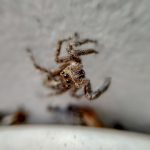
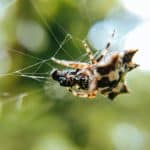
You can feed a pet jumping spider live feeder insects that are no bigger than its own body: flightless fruit flies for babies, then small crickets, dubia roach nymphs, or houseflies as it grows. Skip mealworms as a staple, avoid wild-caught bugs, and always remove prey the spider ignores.

What Jumping Spiders Eat
Jumping spiders are active hunters. They stalk live, moving prey and pounce on it, so they will not eat dead insects or pellets. In captivity, a varied diet of small, captive-bred feeders works best.
Good Feeder Choices
- Flightless fruit flies (Drosophila melanogaster or hydei): The standard first food for spiderlings and small species. Cultures are cheap and easy to keep.
- Small crickets: Good for juveniles and adults. Pick pinhead or small sizes and remove any the spider does not eat.
- Dubia roach nymphs: A popular, meaty option for larger spiders. Choose nymphs small enough for your spider to handle.
- Houseflies and blue bottle flies: Adults often love them. Buy captive-bred flies from a feeder supplier.
- Wax moth larvae (waxworms): An occasional treat. They are fatty, so offer them sparingly.
What to Avoid
- Prey larger than the spider’s body: Big prey can fight back and injure your spider.
- Wild-caught insects: They may carry pesticides or parasites.
- Fireflies: They are toxic to many predators. Never offer them.
- Ants: Many ants bite or spray defensive chemicals. They are not a safe staple.
- Mealworms as a main food: Their hard shells are tough to digest and they are not an ideal fit for small jumpers. They can also burrow and bite a resting spider.
How Often to Feed
Young, fast-growing spiders eat more often than adults. A common routine is a small meal every day or two for spiderlings, and a few times a week for adults. Watch the abdomen. A round, plump abdomen means your spider is well fed. A noticeably shrunken abdomen means it needs more food and water.
Feeding Tips
- Offer prey on the cage floor or release it into the enclosure, then step back and let the spider hunt.
- Remove uneaten prey within a few hours. Leftover crickets can bother or injure a spider that is preparing to molt.
- Do not feed a spider that has sealed itself in a silk hammock. It is likely molting or resting. Wait until it comes out and has been active for a day or two.
- Offer a tiny water droplet on the enclosure wall or a small dish of water, since jumping spiders drink from droplets.
- Gut-load feeder insects with fresh vegetables or a quality feeder diet before offering them.
Matching the Meal to Your Spider
If you are raising a tiny spiderling, see our guide on what to feed tiny spiders. For more food ideas, read what jumping spiders eat in captivity and vitamins for spiders.
Bottom Line
Feed your jumping spider live, captive-bred insects no larger than its body. Start with flightless fruit flies for babies, move to small crickets, dubia nymphs, and flies as it grows, and skip mealworms, ants, fireflies, and wild-caught bugs. Take out leftover prey, never feed a molting spider, and keep a water droplet available.
This article is general pet-care information. For a sick or injured spider, consult an exotic-pet vet.