Wild ducks eat seeds, aquatic plants, grains, acorns, insects, snails, and other small water animals. The exact mix depends on the species and the time of year. If you want to feed the ducks at your local pond, small amounts of oats, corn, defrosted peas, torn lettuce, or birdseed are much better choices than bread.

What Wild Ducks Eat Naturally
Ducks are omnivores, and most of them eat whatever is plentiful where they live. Biologists split them into two broad groups by how they feed.
Dabbling ducks
Mallards, wood ducks, teal, and wigeon are dabblers. They feed at the surface or tip forward in shallow water, usually less than 18 inches deep. Their diet includes:
- Seeds of water plants such as smartweed, sedges, and wild rice
- Leaves, stems, and roots of aquatic plants, including pondweed and duckweed
- Insects and their larvae, snails, and small crustaceans
- Leftover grain in harvested fields, such as corn, rice, and wheat
- Acorns, a favorite of wood ducks and mallards in flooded woodland
Diving ducks
Canvasbacks, redheads, and scaup dive for their food. They eat more animal protein than dabblers, including mollusks, crustaceans, and aquatic insects, along with underwater plants such as wild celery. Mergansers are the fish specialists of the duck world.
For a closer look at the most familiar species, see what mallards eat.
How the Diet Changes With the Seasons
- Spring: breeding hens need protein to produce eggs, so they eat far more insects, snails, and other invertebrates.
- Summer: ducklings grow fast on insects and other small water animals. Adults eat a mix of plants and invertebrates.
- Fall: ducks load up on high-energy foods before and during migration, including grain, wild rice, and acorns.
- Winter: they rely on seeds, aquatic plants, and whatever waste grain is still in the fields.
Should You Feed Wild Ducks?
Healthy wild ducks do not need our help to find food. Many wildlife agencies ask people not to feed them at all, because regular feeding can cause real problems:
- Too many birds crowd into one spot, which spreads disease.
- Uneaten food rots, pollutes the water, and attracts rats.
- Ducks fill up on low-quality food instead of their natural diet.
- Birds lose their caution around people, roads, and pets.
Some parks ban feeding altogether, so check the signs and local rules first. If feeding is allowed and you want to do it, keep it occasional and choose the right food.
Safe Foods to Offer Wild Ducks
The Canal & River Trust, which looks after waterways in England and Wales, suggests these as better choices than bread:
| Food | How to offer it |
|---|---|
| Sweet corn | Canned, frozen, or fresh. Defrost frozen corn first. |
| Lettuce and other greens | Torn into small pieces. |
| Peas | Frozen peas, fully defrosted. No need to cook them. |
| Oats | Plain rolled or instant oats. |
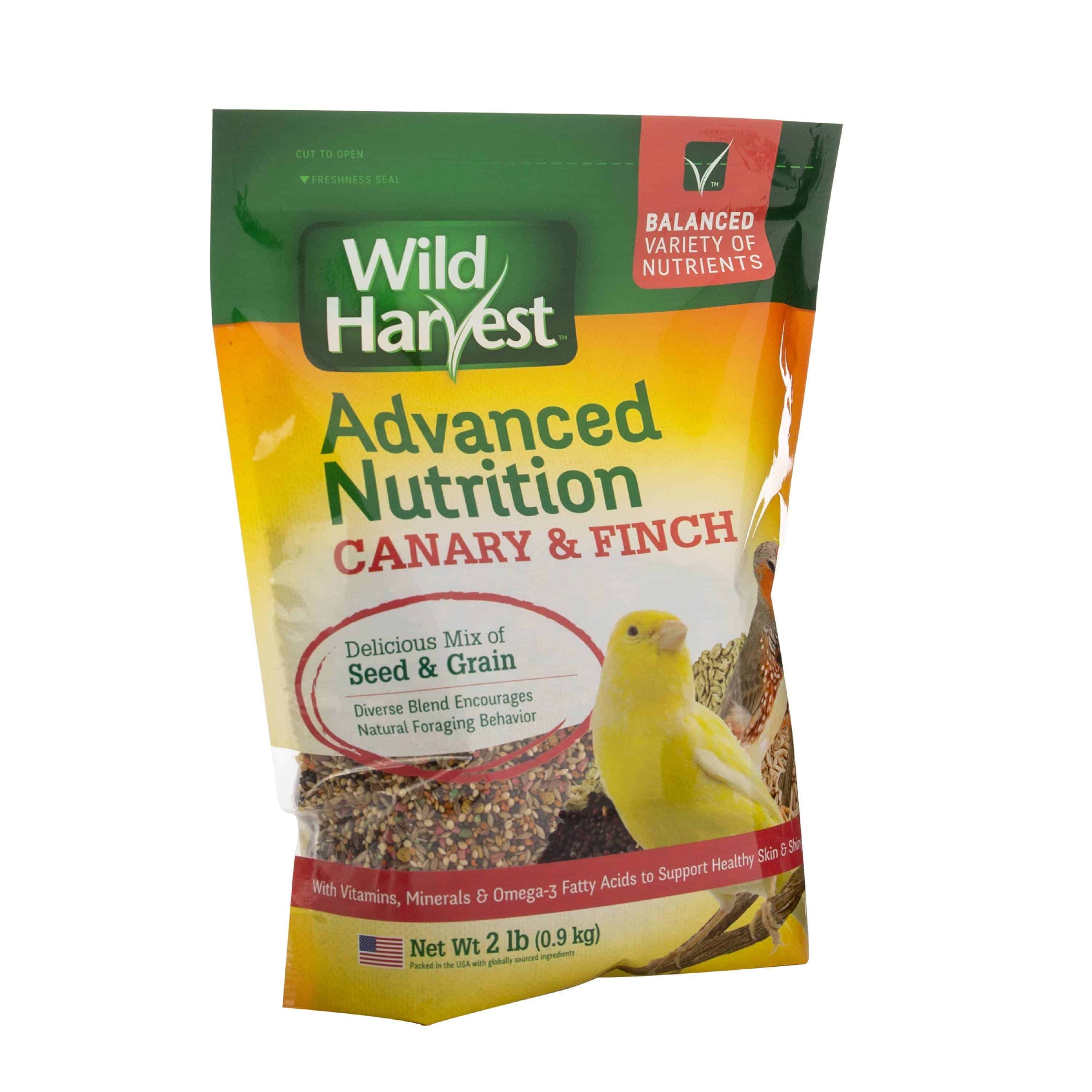
| Seeds | Plain wild bird seed. |
| Rice | Plain rice, cooked or uncooked. |
Plain cracked corn and waterfowl pellets from a feed store are also good options.
How to feed them
- Offer a small handful, not a bagful. Feeding should be an occasional treat.
- Keep pieces bite-sized. Ducks swallow food whole.
- Stop when the ducks lose interest, and take leftovers home.
- Do not hand-feed. Scatter the food and keep your distance.
Foods to Avoid
- Bread, crackers, chips, and popcorn. Bread is not poisonous to ducks, but it is filling and low in the nutrients they need. Wildlife groups also link high-calorie, unbalanced diets in young waterfowl to a wing deformity known as angel wing.
- Moldy food of any kind. Mold can make birds seriously ill.
- Salty, sugary, or seasoned food. This includes most table scraps.
- Chocolate, avocado, and onions. These are harmful to many birds.
We cover the bread question in more detail in why feeding wild birds bread is a bad idea.
What About Ducklings?
Wild ducklings feed themselves from their first day. Their mother leads them to shallow water full of insects and other small animals, which gives them the protein they need to grow. They do not need bread or any other handouts.
If you find a duckling that is alone, injured, or in danger, do not try to raise it yourself. Call a licensed wildlife rehabilitator or your state wildlife agency. Our guide on what to feed wild ducklings has more.
Bottom Line
Wild ducks like seeds, aquatic plants, grain, acorns, and plenty of insects and snails. They find all of that on their own. If you enjoy feeding them and it is allowed where you live, bring a small amount of oats, corn, peas, greens, or birdseed, leave the bread at home, and stop as soon as they lose interest.