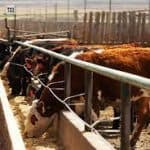
What does a cow mix feed consist of? What is the most important thing to consider when creating a cow mix feed? There are several factors to consider. The best diet is a combination of high-quality dry matter and water. Cows that are not receiving enough dry matter will be undernourished. They may bawl and eat twigs as a means of satisfying their appetite. Low dry matter intake can lead to the development of health problems, including lameness and infertility.

Wet distillers grains
The introduction of wet distillers grains into cow mix feed has led to the discovery of new nutritional benefits. The solubles present in distillers grains control the fermentation of starch in the ethanol production process. This highly acidic grain is difficult for cattle to digest. Undigested feed is essentially junk food. Therefore, it is better to feed cows a diet that contains both solubles and distillers grains.
The solubles in distillers grains are the by-products of the corn fermentation process. These grains can be fed separately or blended into cow mix feeds. The other coproducts of distillers processing include high-protein distillers grains, corn germ, and corn bran. These products have low-fat content. These coproducts are highly digestible and can serve as partial replacements for a variety of feed ingredients.
Low quality hay
Low quality hay in cow mix feed has many negative effects. It limits the amount of hay cows can eat and reduces energy levels in the rumen. When this occurs, the cow will mobilize body fat and muscle to meet its production requirements. The result is a reduced body condition score and decreased productivity and reproductive performance. This is detrimental to the health of your cows and your bottom line. Therefore, you need to be cautious and choose a suitable hay mix that can meet the needs of your cattle.
Generally, the better quality hay is harvested and stored quickly. The hay should be stored in a dry shed on a gravel floor. Avoid storing hay for long periods of time because the nutrients in it will degrade. Also, it is important to rotate the hay bales to increase their nutritional value. Ultimately, high quality hay will lead to happier cows and increased profitability. A lot of work goes into producing high quality hay, and it is definitely worth it.
Crop residue
If you are interested in extending the grazing season of your cattle, consider using crop residues in your cow mix feed. In addition to providing high-quality nutrition, these residues also minimize daily labour requirements. However, to get the best out of these resources, you must understand how to make them digestible. Below are some tips to make crop residues digestible for cows. Also, remember to monitor the cows’ body condition.
The first step is to store crop residues in bags to prevent rotting. Stored crop residues need to be stored out of the soil to prevent ants from attacking the material. Once they are stored, crop residues are easily mixed with other feed components. Moreover, they require little or no investment. Using a motorized forage chopper or manual chaff cutter is helpful in reducing the amount of crop residues in the mix feed.
Alternative feed sources
A good way to reduce feed costs is by seeking out alternatives. This may be easier said than done, since alternative feeds are often regional and of variable quality. However, this type of feed can still be beneficial as long as it meets the nutritional needs of the cattle. Some producers have had success sourcing locally-grown alternatives, which may include additional protein and energy. However, there are several things to keep in mind before implementing this type of feed.
Feed mills may not have the space for multiple ingredients, making them less desirable. While sacking feeds may be convenient, they can also be costly. You can also use feed storage bays in your feedyard if you choose not to store it in hay. Feed storage facilities do not need to be expensive or fancy. They simply need to function well. The feed you choose will determine how flexible and reliable your feeding program can be.
Cost-effectiveness
Cow mix feed is one of the most important components in milk production. Often the single most expensive component, feed costs are the biggest concern for dairy farmers. However, many producers are unable to measure the cost-effectiveness of their rations. In fact, they are often unaware of the sources of TMR variation, which may impact milk production. As feed costs continue to rise, you may need to look for ways to lower TMR variation, which may reduce your production costs.
The economic replacement values are a way to compare the nutrient makeup of two similar feeds based on their crude protein content and TDN. The dollar value of TDN and crude protein content are used as the relative value, and roughage content is not included. This method is useful for general comparisons of feed prices. But it can be misleading if you do not have access to both the raw material and the finished product.
Grain supplementation
When you consider the amount of forage a cow needs in order to maintain their health, it’s important to remember that the higher the quality, the greater the amount of grain you should supplement with. In addition to grain, you should consider adding flaxseed or cottonseed meal to the feed mix. These ingredients are rich in both protein and available fat. Both of these nutrients promote muscle growth and development in the cow. Additionally, they help control inflammation and aid in digestion.
Grain byproducts, which are low in starch and high in protein, are excellent sources of energy for the cow. They are commonly included in breeder or range cubes. They can be fed daily or twice a week, but feeding them on a regular basis is more beneficial. Some supplements are made from a combination of grains, while others are only available as pellets or in meal-grain blends.