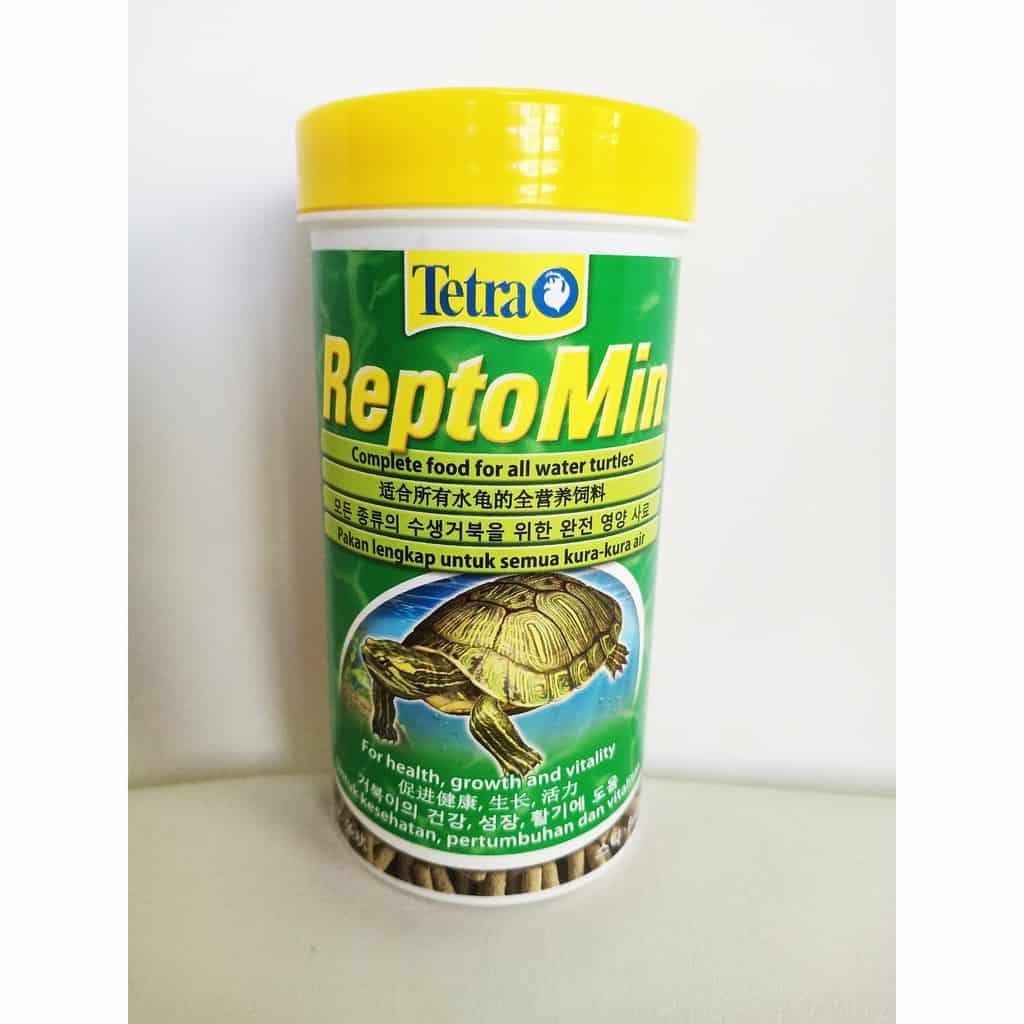
Omega One makes floating turtle pellets for aquatic turtles, and a floating pellet like this can be a good staple as part of a varied diet. Stores such as Walmart may carry it, but stock and sizes change, so check the current label before you buy.

Why floating pellets work
Aquatic turtles such as sliders, cooters, and painted turtles eat at the water’s surface. Floating pellets let you watch how much your turtle eats, and make it easy to scoop out leftovers before they foul the water.
What to look for on the label
- Size: Choose a pellet your turtle can swallow easily. Small pellets suit baby and juvenile turtles, and larger ones suit adults.
- Protein: Hatchlings and juveniles need more protein than adults.
- Calcium and vitamin D3: Look for added calcium and vitamins for shell and bone health.
- Freshness: Check the date. Pellets lose vitamins as they age.
Read the ingredient list on the bag you are buying instead of relying on marketing claims.
How much and how often to feed
Baby turtles usually eat daily. As turtles mature, many keepers feed adults every other day, with more plants and less protein. A rough guide is the amount your turtle will finish in about five minutes. Overfeeding causes obesity and dirty water.
Pellets are not the whole diet
- Leafy greens: Romaine, dandelion greens, and aquatic plants such as anacharis for omnivorous turtles.
- Protein extras: Earthworms, crickets, and small feeder fish as occasional treats.
- Calcium: A cuttlebone in the tank, along with proper UVB lighting and a basking spot.
Skip raw meat, dairy, and processed human foods. Pellets made for turtles should also not be given to dogs or cats as training treats.
For more turtle diet ideas, see Mazuri turtle pellets, what to feed lake turtles, and wheat germ pellets for turtles.
Bottom Line
Floating turtle pellets are a convenient staple. Pick a fresh, correctly sized pellet, feed measured amounts, and add greens, occasional protein, calcium, and UVB. Ask a reptile vet if your turtle has swollen eyes, a soft shell, or stops eating.
This article is general information, not veterinary advice.