Holidays and trips make fish keepers nervous about feeding. The good news is that healthy adult fish are tougher than most people think, and overfeeding is usually a bigger danger than a few missed meals. These three tips will help you plan holiday feeding without fouling your tank.

Tip 1: Choose the right food for your fish
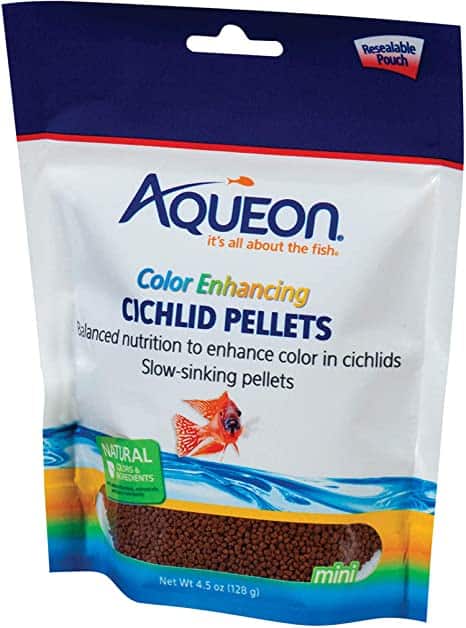
Match the food to the species. Most community fish do well on a quality flake or pellet, and pellets are easy to measure. Look for a food whose first ingredients are real protein sources, and avoid anything that clouds the water. Slow-release holiday or vacation blocks can work in small tanks, but they dissolve gradually and can pollute the water if the tank is small or the fish are few. If you are looking for variety for your tropical fish, our guide to what to feed tropical fish besides fish food has ideas for normal days.
Tip 2: Test any feeder before you leave
Automatic feeders and slow-release blocks should be tried for at least a week before a trip. Check that an automatic feeder drops a small, steady portion rather than a large clump, and that humidity does not make food stick inside it. Watch the water over several days: if you see cloudiness, a film, or an ammonia reading above zero, reduce the portion. Our posts on feeding goldfish while on vacation and more vacation feeding options go deeper on feeders.
Tip 3: Pre-portion meals for a sitter
If a friend or family member will check in, give them a simple plan. Put each day’s food into a labeled container or pill organizer, and ask them to feed only that portion. Visitors often mean well and give extra, which can lead to bloating and poor water quality. Show them what normal behavior and water clarity look like, and give them a contact number.
How long can fish go without food?
Healthy adult fish can often manage several days to about a week without feeding, especially if the tank has some algae or other natural food. Young fish, fry and fish that are underweight need more frequent meals. Cold-water species usually tolerate fasting better than warm-water ones, so check what suits your own fish before deciding.
Prepare the tank before you go
Do a water change a day or two before you leave, check the filter and heater, and make sure the lights are on a timer. A clean, stable tank is the best insurance for fish when no one is home.
Bottom Line
For most healthy adult fish, a small, controlled amount of food is safer than a big holiday feast. Pick a suitable food, test your feeder in advance, and pre-portion meals if a sitter is helping.
This article is for general information and is not a substitute for advice from an aquatic veterinarian or experienced fish professional. If your fish look unwell, consult a vet.