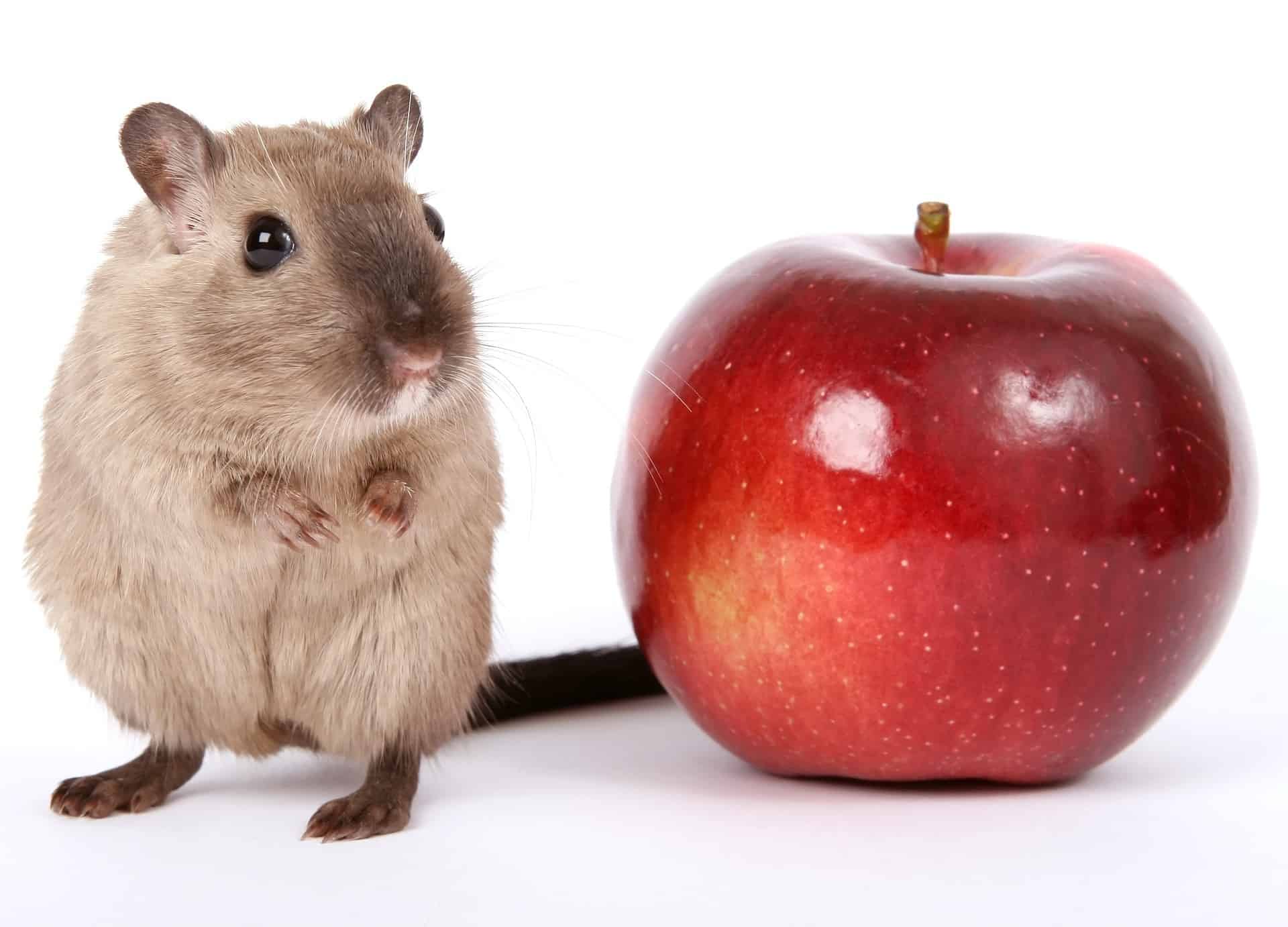
Mongolian gerbils (the common pet gerbil) do best on a good gerbil seed mix or lab block as the daily base, with a small amount of fresh vegetables and only occasional treats. They eat seeds, grains and plants in the wild, and need very little water compared with most pets, though fresh water must always be available.

The Daily Diet
- Base food: a quality gerbil mix or lab blocks. About one tablespoon per gerbil per day is typical. Gerbils hoard, so don’t refill the bowl just because it looks empty.
- Fresh vegetables: a small piece a few times a week. Good choices include carrot, cucumber, broccoli, kale and pepper. See our lists of vegetables for gerbils and safe foods for gerbils.
- Treats: seeds, plain oats, small bits of fruit or a few mealworms now and then. Keep treats to roughly 10% of the diet. See DIY gerbil treats.
- Water: a sipper bottle, cleaned and refilled every few days. Gerbils drink little but should always have access.
What to Avoid
- Sticky or sugary foods, candy and chocolate.
- Large amounts of sunflower seeds, peanuts and other fatty seeds. They are favorites but lead to weight gain.
- Citrus fruit and fruit pits or seeds, onion, raw potato, rhubarb and avocado.
- Seed-only diets of picked-out favorites. Gerbils tend to eat the fatty seeds first, so a pelleted or block base helps ensure balance.
- Moldy or spoiled food. Remove fresh food after a few hours.
Our guide on gerbil foods to eat and avoid has a fuller list.
What Wild Gerbils Eat
In the steppes and deserts of Mongolia and northern China, gerbils eat seeds, grass, roots and some insects, and they store food in their burrows. That’s why a seed-based diet with some variety suits them, and why they like to dig and hide food.
Feeding Tips
- Use a heavy ceramic bowl that can’t be tipped over.
- Scatter some food in the cage so your gerbils can forage, which is good enrichment.
- Check hoards when cleaning and remove any fresh food that could spoil.
- Introduce new foods slowly, one at a time, to avoid digestive upset.
- Give a chew (such as untreated wood or cardboard) to wear down their continuously growing front teeth.
Signs of Diet Problems
Weight gain, dull fur, diarrhea or a loss of appetite can signal a diet or health issue. Gerbils hide illness, so contact an exotic-pet vet if you notice any change.
Bottom Line
Feed a Mongolian gerbil a quality seed mix or lab block, add a little fresh vegetable a few times a week, and keep fatty seeds, fruit and sweets as occasional treats. Always provide fresh water.