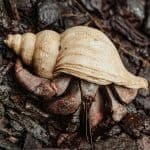
In captivity, hermit crabs should eat a mix of commercial hermit crab food, fresh fruit and vegetables, a small amount of protein, and a calcium source, with both fresh and salt water always available. They are omnivores and scavengers, so variety is the key.

Daily staples
- Commercial hermit crab food: Choose a brand free of copper sulfate and ethoxyquin.
- Fresh vegetables: Carrot, sweet potato, leafy greens, zucchini and peas.
- Fresh fruit: Mango, papaya, coconut, apple and berries in small pieces.
Protein
Offer a small piece of plain cooked egg, unseasoned cooked chicken or shrimp, or a few dried mealworms or crickets, one to three times a week. Wild-caught insects can carry pesticides, so use insects from a reputable source.
Calcium and minerals
Hermit crabs need calcium to grow a strong exoskeleton and shell. Leave a piece of cuttlebone, crushed oyster shell or washed, crushed eggshell in the tank, and let your crab eat its shed exoskeleton after a molt.
Treats
- Unsalted nuts, such as plain almonds or coconut
- Dried seaweed (plain, no salt or seasoning)
- Oak leaves or other pesticide-free leaf litter
Foods to avoid
- Onion, garlic and spicy foods
- Salty, sugary and processed human foods
- Fish flakes or other foods with chemical preservatives as a regular diet
- Any produce sprayed with pesticides; wash everything well
Water
Provide two shallow dishes of dechlorinated water: one fresh, one salt water made with marine aquarium salt (not table salt). Keep both clean and refill daily.
Feeding schedule
- Feed in the evening, when crabs are most active.
- Offer small portions and remove leftover fresh food within 24 hours.
- Rotate foods through the week for variety.
For ideas, see types of foods hermit crabs can enjoy, what beach hermit crabs eat and whether hermit crabs can eat dog food.
Bottom Line
A healthy captive hermit crab diet is quality crab food, fresh produce, a bit of protein, a calcium source, and two kinds of clean water. If your crab stops eating and is not molting, check the tank’s temperature and humidity and contact an exotic pet vet.
This article is for general information and is not veterinary advice.