Triticale makes a productive cool-season hay or baleage for beef cows. It’s a hybrid of wheat and rye that yields well, grows in cool weather, and holds good nutritional value if you cut it at the right time. Quality depends on harvest stage, so cutting date matters more than the crop itself.

When to cut
- Boot to early heading: highest protein and digestibility, lower yield. Best for lactating cows and growing animals.
- Flowering to soft dough: more tonnage and energy from developing grain, but fiber rises and protein falls. Common for silage or baleage.
- Mature, in the hard dough stage or later: stemmy, poor quality.
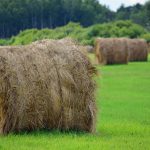
Because triticale stands tall and thick, it can be slow to dry as hay. Many growers make it as baleage or silage to avoid rain losses.
Nutrition
Protein at the boot stage often runs in the low-to-mid teens, dropping toward the single digits as the plant matures. Energy is good compared with many grass hays. Always get a forage test so you can compare it with your cows’ needs.
Things to watch
- Awns: bearded varieties have stiff awns that can irritate mouths when hay is cut at heading. Look for awnless or “beardless” varieties.
- Nitrates: can build up under drought or after heavy nitrogen, especially in the lower stalk. Test hay from stressed fields.
- Ergot: like rye, triticale can host ergot fungus in seed heads. Avoid hay or grain with dark ergot bodies.
- Mold: wet bales spoil quickly.
Feeding beef cows
Mid-gestation cows can often do well on decent triticale hay with a mineral supplement. Cows nearing calving and lactating cows need more energy and protein, so add a supplement if the test calls for it. See our pregnant cow feeding chart and the companion guide on triticale nutrition for cattle.
Bottom Line
Triticale hay is a smart cool-season forage when you cut it at boot to early heading (or make baleage), choose awnless types, and test for nitrates. Your veterinarian or extension agent can help with rations. This is general information, not veterinary advice.