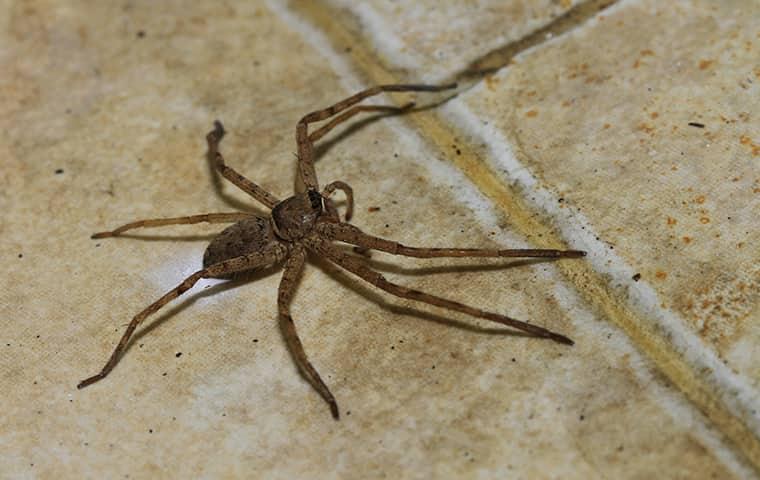
What daddy long legs eat depends on which animal you mean. Harvestmen eat small insects, snails, plant matter and dead animals. Cellar spiders, the long-legged “daddy long legs” in your house, catch flies, mosquitoes and even other spiders in loose webs.

Two Different Animals, One Name
- Harvestmen (order Opiliones): these are not true spiders. They have one oval body section, two eyes, no silk and no venom. They are common outdoors in gardens, woods and on walls.
- Cellar spiders (family Pholcidae): true spiders with two body sections and a messy, tangled web. These are the ones you find hanging in basements, garages and corners indoors.
What Harvestmen Eat
Harvestmen are scavengers and opportunists. They eat:
- Small insects, aphids and mites
- Snails, slugs and earthworms
- Dead insects and other animals
- Fungi, ripe fruit and plant juices
- Bird droppings
Unlike spiders, they can chew solid food with small pincers called chelicerae.
What Cellar Spiders Eat (and What Daddy Long Legs Eat in the House)
Indoors, cellar spiders hang upside down in their web and wait. Their meals include:
- Flies, gnats and mosquitoes
- Ants and small beetles
- Moths
- Other spiders, including house spiders and even the much stronger hobo spider
They wrap prey in silk, bite, and then drink the liquefied insides.
Are Daddy Long Legs Venomous?
A popular myth says daddy long legs are the most venomous spiders in the world but cannot bite people. Harvestmen have no venom glands at all. Cellar spiders do have venom, but there is no good evidence that it harms people, and their small jaws make a bite very unlikely to matter.
Should You Get Rid of Them?
Not usually. Both kinds are harmless to people and help control insects. If you don’t like webs in the house, sweep them up with a vacuum or broom and seal gaps near doors and windows. Cutting the number of flies and gnats indoors will cut the number of cellar spiders too.
Bottom Line
Harvestmen eat a mix of tiny insects, snails and decaying matter. Cellar spiders eat flies, mosquitoes and other spiders. Neither is dangerous to you, and both do some free pest control.
Related reading: what to feed a house spider, what pet spiders eat and what yellow sac spiders eat.