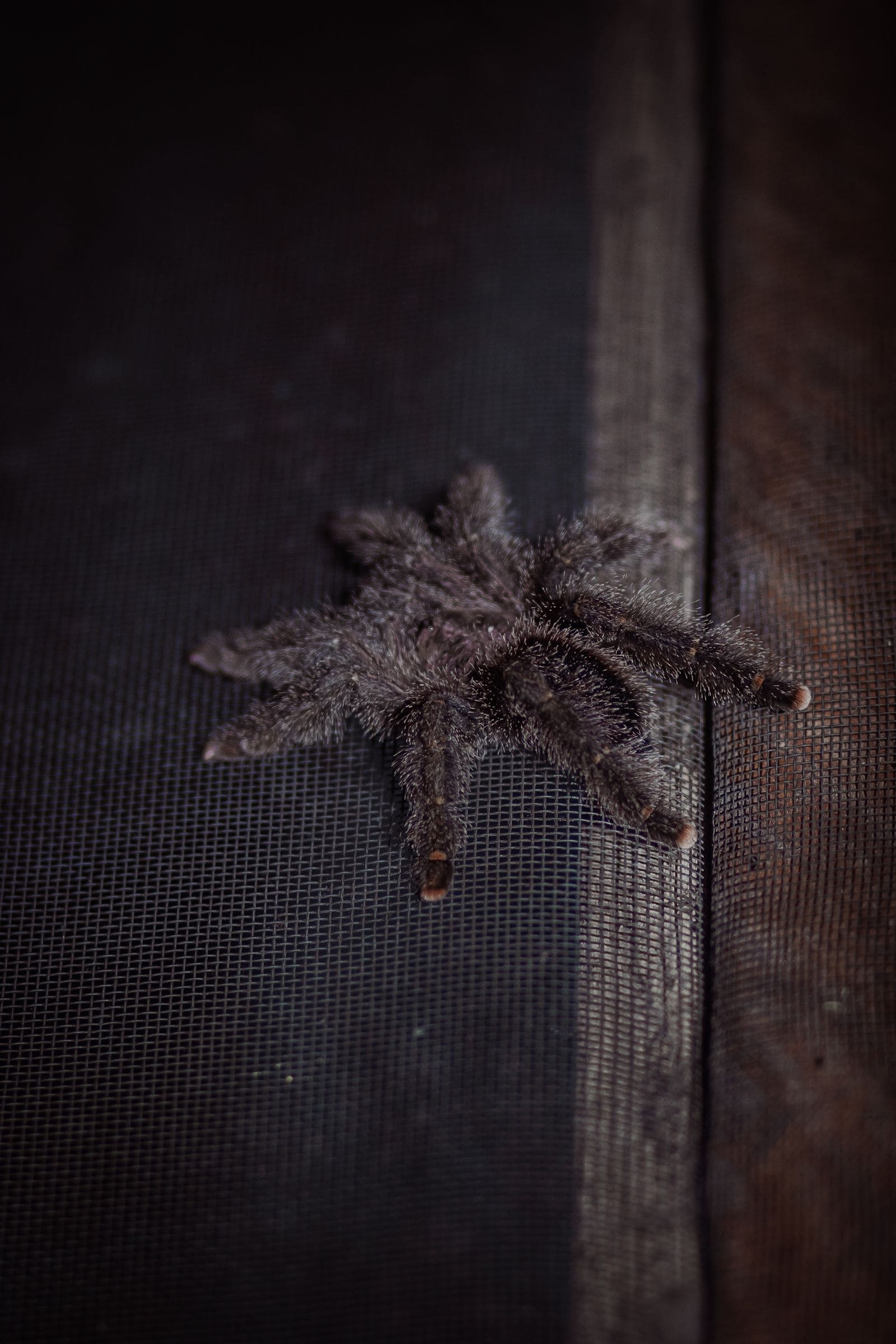
Cobalt blue tarantulas eat live insects, mainly crickets, roaches and similar feeders. Spiderlings eat pinhead crickets or small roach nymphs, juveniles eat a feeder every few days, and adults usually eat one or two large feeders per week. Prey should be no larger than the tarantula’s body.

What cobalt blue tarantulas eat
The cobalt blue tarantula (Cyriopagopus lividus) is a burrowing species from Southeast Asia. In captivity, a varied diet of properly sized feeders works well:
- Crickets (banded or house crickets), the most common staple.
- Dubia and lateralis roaches, a good option because they are easy to keep and hard for the tarantula to ignore.
- Superworms and mealworms as occasional variety, not the main food.
- Pinky mice are not necessary and are not recommended for regular feeding; insects meet their needs.
How often to feed
- Spiderlings: every 3 to 4 days with pinhead crickets or tiny roach nymphs.
- Juveniles: about twice a week, one or two appropriately sized feeders.
- Adults: about once a week, sometimes less. Adults can go several weeks without food, so skipping a meal is not a worry.
If your tarantula’s abdomen looks small and wrinkled, increase feeding. If it looks very large and shiny, cut back.
Feeding tips
- Remove uneaten prey after 24 hours. A live cricket can bite a tarantula, especially one that is molting.
- Do not feed during a molt. If your tarantula refuses food, hides, and its abdomen looks dark and shiny, it is probably about to molt. Wait until a week or so after the molt.
- Gut-load feeders. Feed crickets and roaches fresh vegetables or quality feeder food before offering them.
- Avoid wild-caught insects, which may carry pesticides or parasites.
Water and humidity
Provide a shallow water dish at all times, since tarantulas drink from it. This species is a deep burrower and does best in a deep, slightly moist substrate with some humidity. Keep one side damp rather than soaking the whole enclosure.
Safety note
Cobalt blue tarantulas are fast, defensive and have potent venom. They are best for experienced keepers, and handling is not recommended. If you are bitten and have pain, swelling or any other symptoms, seek medical care.
Related reading: what to feed a pet spider and whether spiders need vitamins.
Bottom Line
Feed a cobalt blue tarantula live, correctly sized crickets or roaches, weekly for adults and more often for babies. Remove leftovers, skip meals around molts, and keep fresh water available.