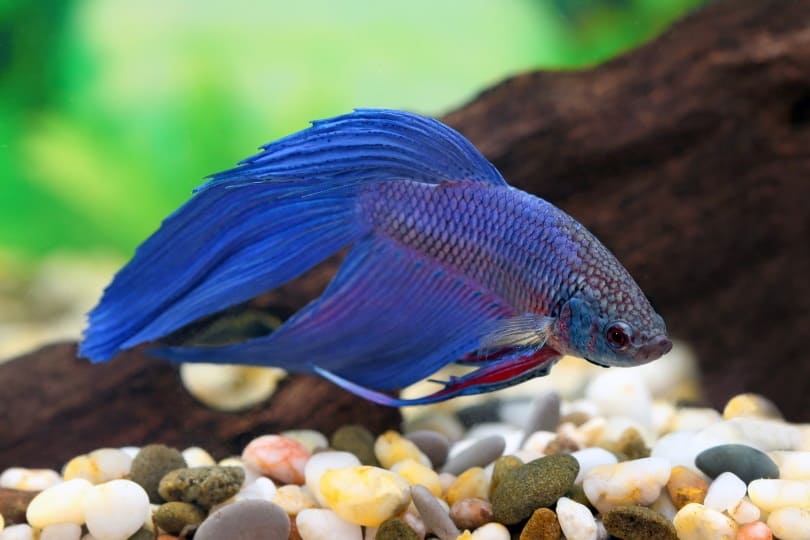
To maintain a healthy betta fish, you must be aware of its eating time. You can plan ahead for feedings by making a meal plan for your betta. Make sure you include a day of fasting as well. Similarly, you should schedule one day off for your fish.

Feeding a betta fish
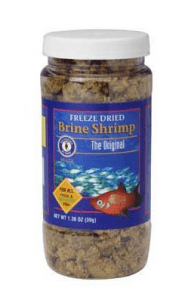
You can feed your betta fish a variety of foods including brine shrimp and bloodworms. These types of worms can easily be raised yourself or purchased from a local fish store. These types of foods are easy to raise and are an excellent addition to your betta’s daily feeding routine. However, avoid feeding your betta live tubifex, as they can carry bacteria and parasites. Instead, offer your betta a selection of white, grindal, and black worms. These worms are found at most major pet stores.
Betta fish are not recommended to be fed more than two times a day. Their meals should be approximately five percent of their body size. Their natural habitat is small, stagnant bodies of water. They are popular as pets in Southeast Asia and have a rich history in that region. The first bettas were kept as pets in Thailand around 150 years ago. They were captured from the rice paddies by children and eventually the King of Siam regulated the fish’s trade. In 1840, a Danish physician brought a betta to Europe and eventually the United States.
Overfeeding
Overfeeding a betta fish is a common mistake that can be extremely dangerous to your betta’s health. Bettas are very greedy and have a voracious appetite. They will scarf down as much food as they can find, even if it is not healthy for them. This tendency is shared by both wild and domesticated bettas. Feeding your betta too much can lead to constipation and other problems.
Another problem with overfeeding betta fish is that it can result in problems with their swim bladder, which is a small, gas-filled sac in their body. When this sac is full, your betta may have trouble swimming upright or on its side. Overfeeding can also lead to a variety of other health problems, including obesity and diabetes.
Loss of appetite
Loss of appetite in a betta fish can be caused by several factors, including the type of food it is being fed and the water parameters. A recent change in the type of food may throw the fish off, especially if it is a picky eater. Fortunately, most bettas bounce back quickly when corrected.
Other causes of loss of appetite in a betta fish may include an illness. While the symptoms of this illness may vary, most of them result in the loss of appetite. Some can be easily treated, but others can be deadly if left untreated.
Symptoms of overfeeding
Overfeeding your betta can lead to a range of health problems, including dropsy and bloat. Both of these conditions can be fatal for your fish, and you should seek immediate medical attention if you suspect your betta is suffering from any of these conditions. Overfeeding your betta can cause an overabundance of bacteria in its environment, which can damage its immune system. If you suspect that your betta may be suffering from these ailments, wash your hands thoroughly before touching it.
In addition to causing a bloated stomach, overfeeding your betta can also lead to the failure of their swim bladder and internal organs. This is not only a potentially dangerous situation for your fish, but it can also harm the water quality in your fish tank. Food left unattended in the tank can cause the water to become cloudy and can even cause algae to grow. This causes your fish to need frequent water changes and can lead to diseases.
Buying live food
Live food is one of the most important foods you can give your Betta fish, as it contains essential bacteria that help the fish’s immune system. Buying live food from the store can carry a risk of transmitting disease to your fish, so it is better to make your own. Although it is time-consuming and messy, it is rewarding for your fish.
If you choose to buy live food for betta fish, you should make sure that you buy it from a reputable source. Live food can cause bacterial and parasite infections in your Betta fish, so it’s best to choose a source that uses quality materials. If you can’t find a reliable source, you can always purchase a frozen version of the food.
Feeding frozen food
Feeding frozen food to a betta fish is an easy way to supplement its diet with more nutrition. However, you have to be aware that frozen food does not have the same nutritional value as fresh food, so you have to carefully calculate the quantity and frequency of feeding. You should also take into account your fish’s age, breed, and gender.
In the wild, betta fish feed on small insects, crustaceans, and meaty foods. One way to provide these nutrients to your fish is to purchase freeze-dried bloodworms. These bright red larvae are available at most pet stores, and they come in slabs or foil-sealed individual cubes. The best bloodworms are those produced by Hikari, as they are the cleanest.