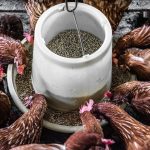
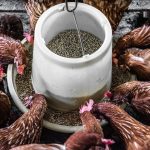
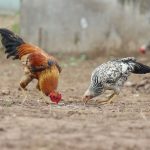
Chicken crumble is regular chicken feed that has been pressed into pellets and then broken into small, coarse pieces. It gives you the balanced nutrition of a pellet in a size that is easy for chicks and hens to eat.

The crumble itself is just a form. What matters most for your flock is the type on the bag: starter, grower, or layer.
Crumble vs. Pellets vs. Mash
- Mash: a fine, loose powder. Birds can pick out their favorite bits and leave the rest, and it can be dusty.
- Crumble: broken pellets. Small enough for chicks, and less sorting than mash.
- Pellets: uniform and compact, with usually less waste, but too big for young chicks.
None is nutritionally better as long as the formula is the same. Many keepers choose by what their birds waste least. For a deeper comparison, see pellet vs. crumble chicken feed.
Types of Crumble
Starter Crumble
For chicks from hatch to about 8 weeks. It is higher in protein, commonly around 18 to 20 percent. Check the bag, as medicated and non-medicated versions exist. Follow the label and your vet’s advice on whether you need medicated feed.
Grower Crumble
For young birds until they near laying age. Protein is lower than starter. See feed for 3-month-old chicks for what that stage looks like.
Layer Crumble
For hens that are laying or close to it, typically around 18 to 20 weeks. It carries extra calcium for eggshells and commonly has about 16 percent protein. Do not feed layer feed to chicks, since the extra calcium is not right for growing birds. Roosters and non-laying birds do better on a feed without added layer calcium.
Pros and Cons of Crumble
- Pro: easy to eat for most ages, less sorting than mash.
- Pro: a good bridge between chick feed and adult feed.
- Con: can create fines (dust) at the bottom of the bag and some waste.
- Con: goes moldy if it gets wet.
Feeding and Storage Tips
- Keep feed in a sealed, dry metal or heavy plastic bin.
- Use a feeder that keeps rain and droppings out.
- Toss feed that smells musty or clumps. Mold can make birds sick.
- Offer fresh water and grit, and oyster shell on the side for laying hens.
- Switch feeds gradually over several days.
- If your birds waste a lot, try soaking the feed or a different form.
Bottom Line
Crumble is broken-up pellet feed, easy for chickens of all ages to eat. Choose starter, grower, or layer based on your birds’ age, store it dry, and pick the form your flock wastes the least.
This article is general information, not veterinary advice. If your birds seem ill, call a poultry or avian vet.