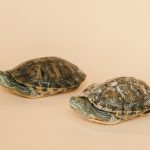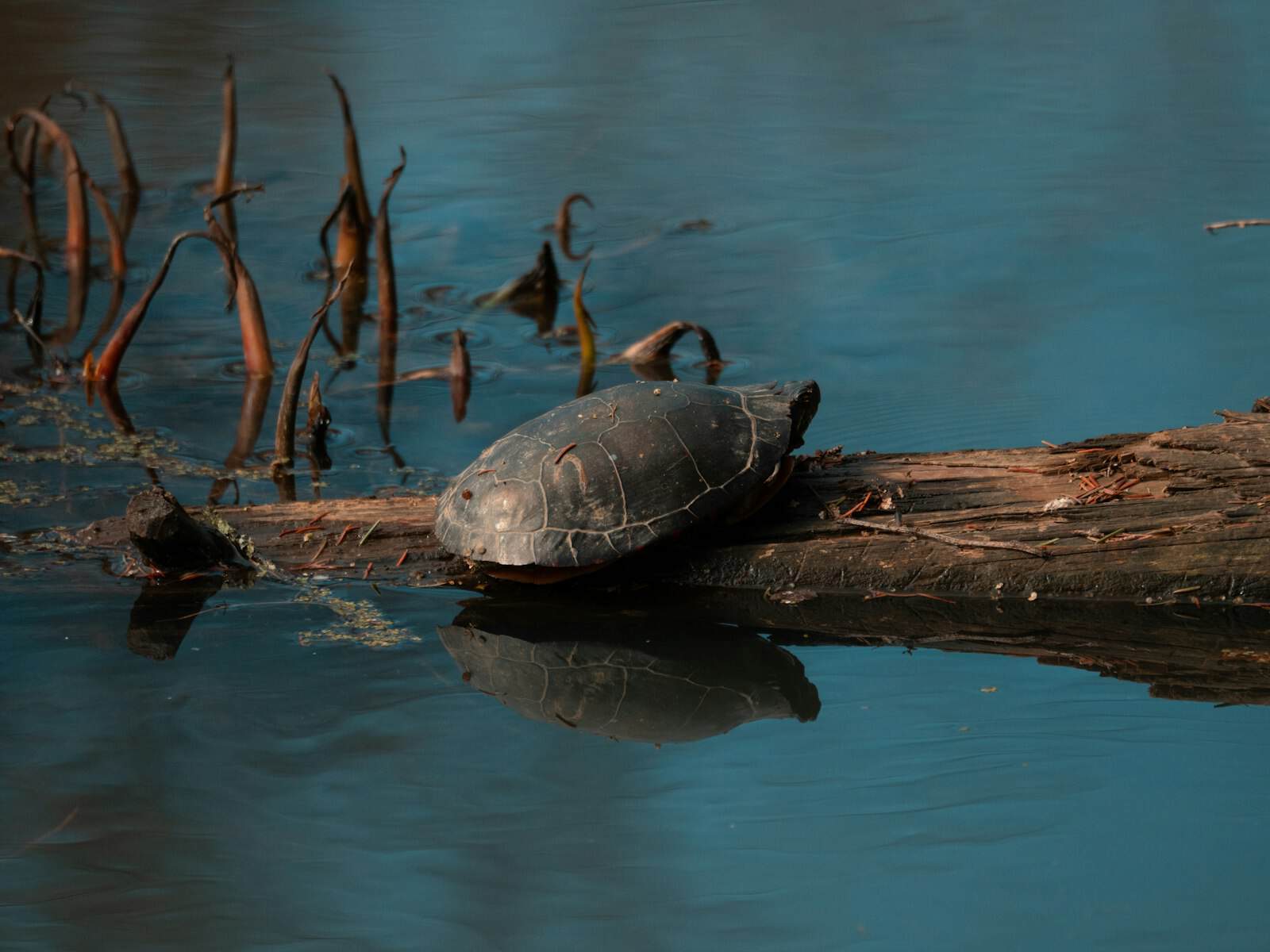
Many turtles eat plants, especially as they get older. Safe choices include aquatic plants like anacharis, duckweed, water lettuce and hornwort, plus leafy greens such as dandelion, collard and mustard greens. Strictly carnivorous species may ignore plants altogether.

Safe Aquatic Plants
- Anacharis (Egeria densa): a popular, hardy plant turtles nibble.
- Duckweed and water lettuce: floating plants that provide cover and food.
- Hornwort: fast-growing and easy to replace.
- Water hyacinth: acceptable for many turtles, but check local rules because it is invasive in some regions and illegal to move in some areas.
Leafy Greens and Vegetables
Dandelion greens, collards, mustard greens, endive, romaine and squash are all good picks. See our list of vegetables turtles can eat.
Which Turtles Eat Plants?
Sliders, cooters and painted turtles eat more plants as adults. Musk turtles, softshells and mata matas are mostly carnivores. Tortoises eat almost entirely plants. If you are not sure of your species, ask a reptile vet.
Plants to Avoid
- Rhubarb leaves, azalea, rhododendron, buttercups, daffodils and oleander, which are toxic.
- Any houseplant or garden plant you are not sure about.
- Plants treated with pesticides or fertilizers.
Rinse all plants well, and quarantine new tank plants before adding them.
Bottom Line
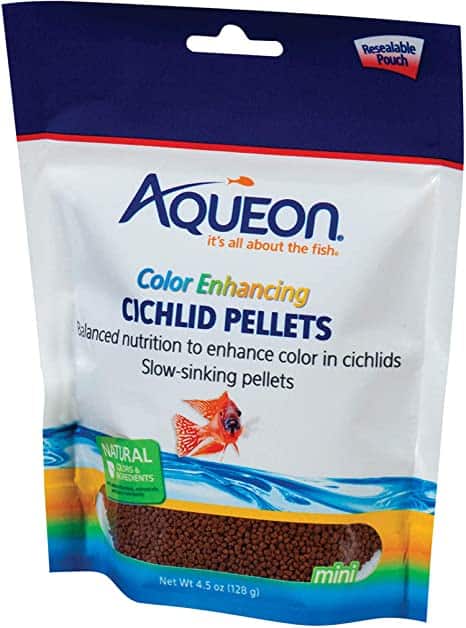
Offer a mix of safe aquatic plants and greens alongside a quality pellet. For related reading, see what river turtles eat.
General information, not veterinary advice.