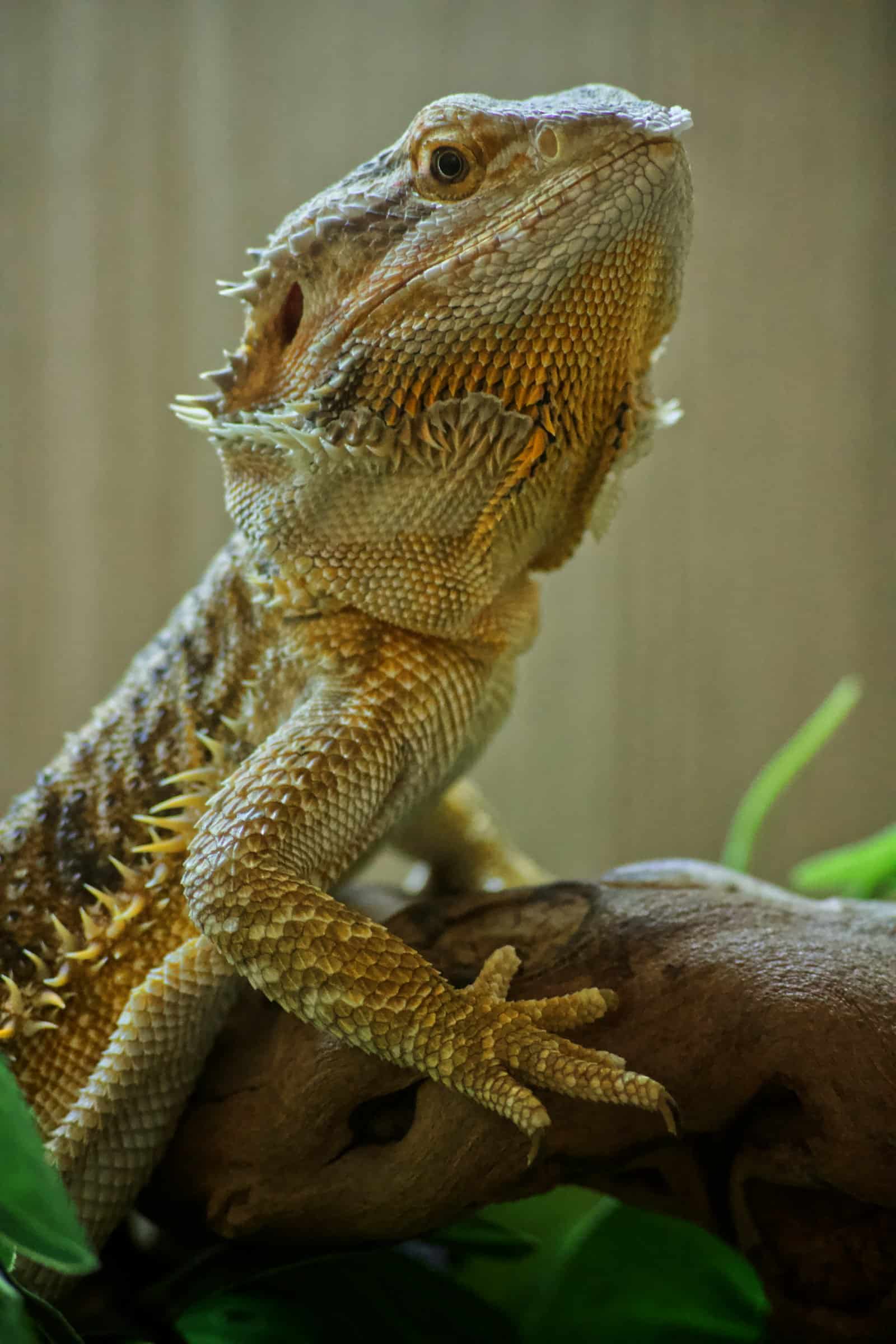
Hikari makes two foods for bearded dragons: DragonGel, a soft gel for babies and juveniles, and Dragon Delite, a pellet you soften in water for sub-adults and adults. Both are convenient and well formulated, but they work best as part of a diet that still includes fresh greens and live insects.

Here is what is in each food, how Hikari says to feed it, and how it fits with standard veterinary feeding advice.
Hikari’s Two Bearded Dragon Foods at a Glance
| DragonGel | Dragon Delite | |
|---|---|---|
| Form | Soft gel in a squeeze pouch | Dry nugget, softened in water |
| Made for | Babies to sub-adults | Sub-adults and adults |
| Prep | Knead the pouch and squeeze | Soak for a few minutes |
| Protein (min) | 8% | 24% |
| Fat (min) | 1% | 3% |
| Fiber (max) | 2.5% | 10% |
| Moisture (max) | 80% | 10% |
| Package | 2.11 oz (60 g) pouch | 7 oz (200 g) bag |
The gel’s protein looks low only because it is mostly water. With the water removed, it works out to roughly 40% protein, which suits a growing dragon.
Dragon Delite Pellets
Dragon Delite is a nugget-shaped pellet that Hikari sells as a daily staple for adult lizards that eat both insects and vegetables. That includes bearded dragons, blue-tongued skinks, and spiny-tailed lizards.
The ingredient list combines insects and plants:
- Insects: mealworm and silkworm pupae
- Plants: dried apple, alfalfa, seaweed meal, Japanese mustard spinach, pumpkin, tomato, and carrot
- Binders and fillers: cassava starch, wheat flour, and soybean meal
- Added vitamins and minerals, including calcium carbonate and vitamin D3
It also contains Hikari-Germ, the company’s probiotic, which Hikari says supports digestion and cuts down on waste odor. Once soaked, the pellets turn soft and springy. They don’t stick to feet or cage surfaces, and they are easy to offer with tongs.
DragonGel
DragonGel is a ready-to-eat gel made from mealworm meal, silkworm meal, and vegetables such as Japanese mustard spinach. There is no mixing or cooking. You knead the pouch, squeeze out what you need, and feed it with forceps or a gloved finger.
Hikari positions it as a growth and maintenance diet for young dragons and as a supplemental food for adults. The company says its production process removes parasites and bacteria without added preservatives. Follow the storage directions on the pouch once it is open.
How to Feed Hikari Bearded Dragon Food
Hikari’s own directions are based on the dragon’s length:
- Babies under 8 inches: DragonGel daily.
- Sub-adults, 8 to 15 inches: soaked Dragon Delite, as much as they want.
- Adults over 15 inches: soaked Dragon Delite once every two to three days.
If your dragon ignores the pellets at first, Hikari suggests mixing them with the gel. Wiggling a piece with feeding tongs often helps too, since movement triggers a dragon’s feeding response.
Can It Replace Live Insects and Greens?
Hikari markets both products as complete foods that need no extra supplements. Most veterinary feeding advice, though, is still built around fresh food. VCA Animal Hospitals describes a bearded dragon diet as roughly half plants and half insects overall, with young dragons eating more insects and adults eating more plants.
A sensible approach is to use Hikari food as one part of the menu:
- Offer leafy greens such as collard greens, mustard greens, and dandelion greens as the bulk of the plant portion.
- Keep fruit to a small share of the plants you offer.
- Feed live insects such as crickets and dubia roaches, dusted with calcium as your vet recommends.
- Never feed fireflies, which are toxic to lizards, or wild-caught insects that may carry pesticides.
- Use the gel or pellets on busy days, while traveling, or when live insects aren’t available.
If you like prepared diets, Repashy Grub Pie is another insect-based option. We also cover Grub Pie for bearded dragons and other Repashy foods for bearded dragons.
Pros and Cons
Pros
- Real insect ingredients, not just plant protein
- Very little prep and no live insects to keep
- Less mess and odor than live feeders
- Separate products for young and adult dragons
Cons
- Some dragons refuse food that doesn’t move
- Dragon Delite contains wheat flour and soybean meal
- Small packages, so the cost adds up with a large adult
- Not a full substitute for fresh greens and insect variety
Bottom Line
Hikari’s bearded dragon foods are solid convenience diets. DragonGel fits babies and juveniles, and Dragon Delite fits sub-adults and adults. Use them alongside fresh greens and live insects rather than instead of them, and follow Hikari’s feeding amounts for your dragon’s size.
This article is general information, not veterinary advice. If your bearded dragon stops eating, loses weight, or seems weak, contact a reptile vet.


