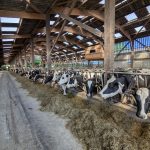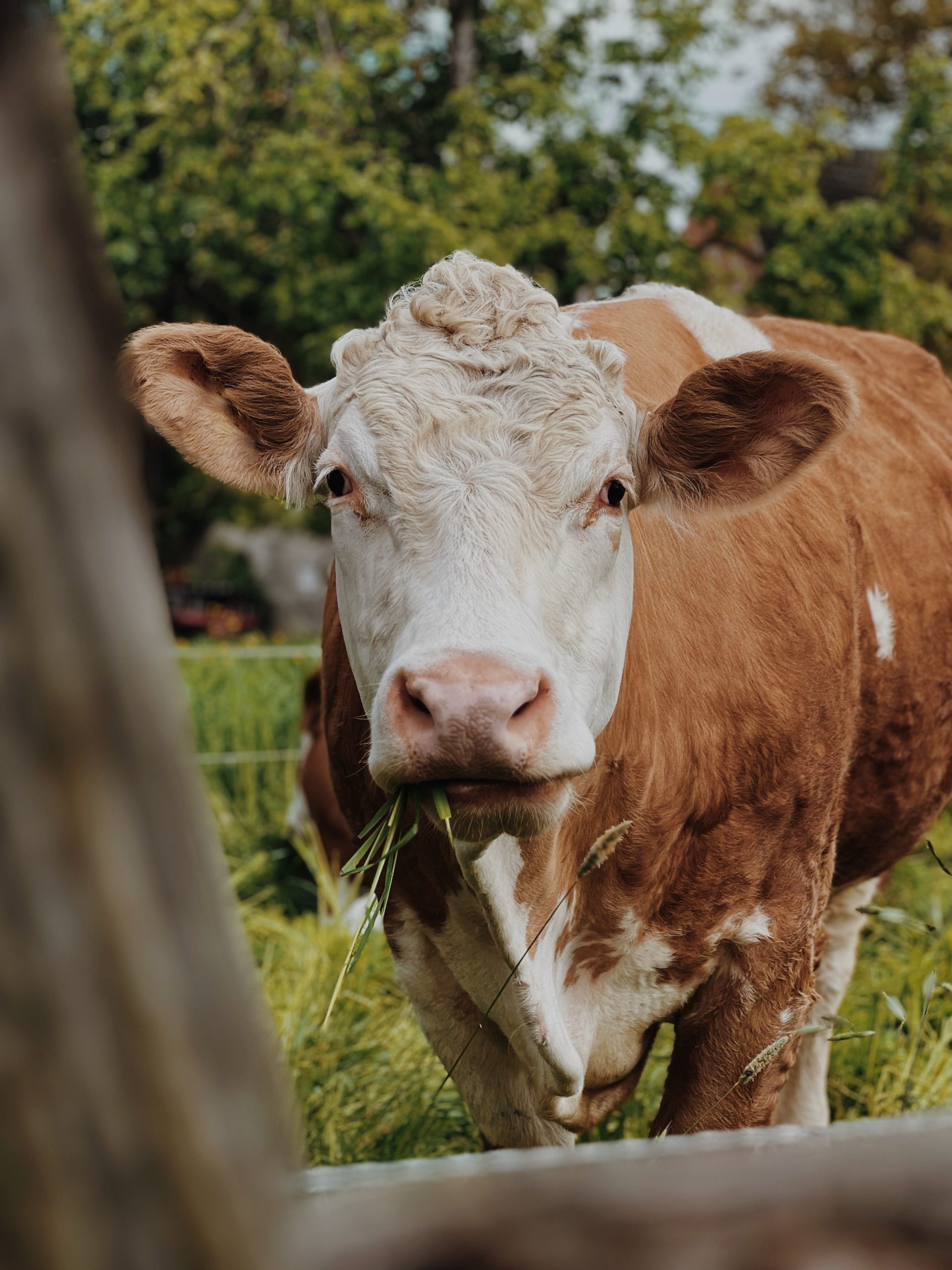
Yes, cows can eat beer waste. The leftover grain from brewing, called wet brewers’ grains or spent grain, is a common cattle feed that is high in protein and fiber. It is a good partial feed, not a complete ration: it is very wet, it spoils quickly, and it is low in calcium. Used with a balanced mineral and a limit on the amount, it can cut feed costs.

What is in wet brewers’ grains
University of Florida extension data show wet brewers’ grains are about 74 percent water, so only about a quarter of what you shovel is actual feed. On a dry matter basis they contain roughly 25 to 34 percent crude protein and about 71 to 75 percent TDN (a measure of energy), compared with about 88 percent for corn. Much of that protein bypasses the rumen, which is why they work well for growing cattle and milking cows. They also carry 7 to 10 percent fat.
How much to feed
For beef cattle, University of Florida recommends keeping wet brewers’ grains to roughly these amounts as fed:
- Mature cows: about 30 to 50 lb per day.
- Calves: about 9 to 20 lb per day.
Introduce them gradually over a week or so. Because the grains are mostly water, high amounts reduce how much dry feed an animal eats, so blend them with drier feeds such as hay or soybean hulls. Dairy herds use brewers’ grains too, but the amount should come from a nutritionist working with your total ration.
The calcium problem
Brewers’ grains are low in calcium (about 0.35 percent) and higher in phosphorus (about 0.68 percent), which flips the calcium to phosphorus balance cattle need. Feed a well-balanced mineral supplement alongside them, especially to growing animals, or growth can suffer.
Storage and spoilage
- Spoilage can start within 5 to 7 days of opening a bag or bunker, sooner in hot weather.
- Store in a bunker silo or heavy plastic bag, packed tightly and covered to keep air out.
- Do not feed grains that are moldy, slimy, or smell sour.
- Only buy what the herd will finish before it spoils. Hauling is usually only worthwhile within a couple of hundred miles of the brewery.
Quality varies
The nutrient content changes with the beer being brewed and the batch. Ask the brewery what goes into the grain, and have a sample tested if you plan to feed it regularly. Make sure the grain does not contain hops-heavy waste, cleaning chemicals, or non-grain additives.
Related guides
- Feeding Brewers Grains to Cattle
- Optimal Calcium to Phosphorus Ratio in Cattle
- Cattle Mineral Blocks
Bottom Line
Beer waste can be a cheap, protein-rich part of a cattle diet if you keep it fresh, limit the amount, mix it with drier feed, and add a mineral to cover the low calcium. Check with your vet or a nutritionist before building a ration around it.