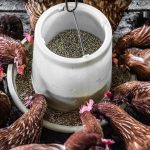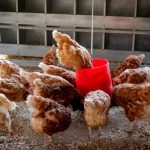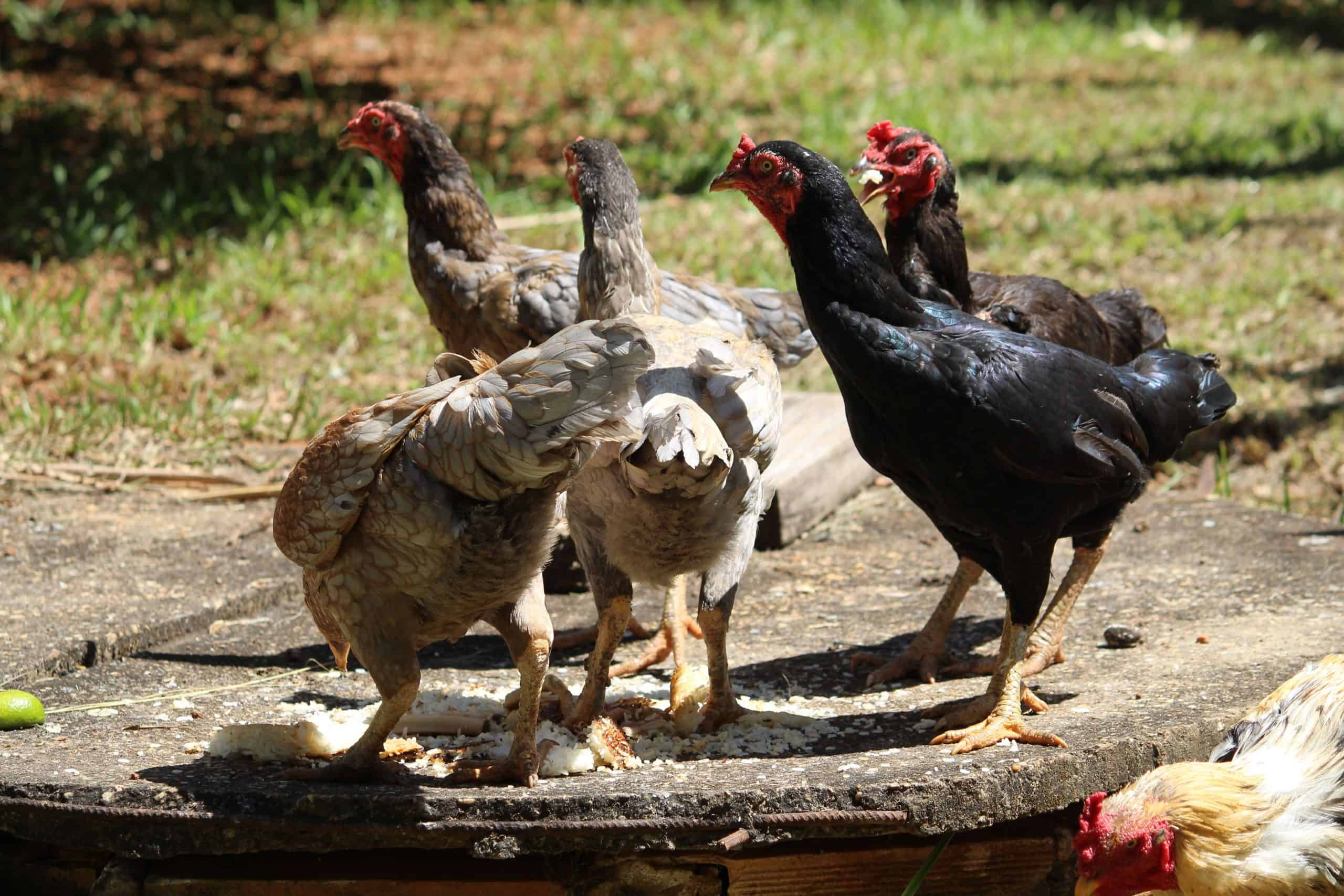
Most backyard chickens do not need supplements if they eat a complete, balanced layer or grower feed. Supplements make sense in specific cases: grit for hens that eat anything besides the feed, extra calcium for laying hens, and a poultry vitamin or electrolyte product during heat, molting or stress. Adding too much of anything can unbalance a ration that was already complete.

Start With the Feed
Commercial chicken feed is formulated so that a hen gets the protein, vitamins and minerals she needs from the feed alone. Typical targets are about 16 to 18 percent protein for laying hens, 18 to 20 percent for growing chicks and higher for meat birds. If you add lots of scratch grains, kitchen scraps or homemade mixes, you dilute that balance. A good rule is that treats stay under about 10 percent of the diet.
Supplements That Are Commonly Useful
- Grit: chickens have no teeth and use small stones in the gizzard to grind food. Birds that eat only crumbles or pellets can manage without extra grit, but free-ranging and scrap-fed birds should have insoluble grit available in a separate dish.
- Oyster shell (calcium): laying hens need calcium to form strong shells. Offer crushed oyster shell in a separate dish so each hen takes what she needs. Do not give it to chicks or roosters as a main feed, because too much calcium can harm them.
- Electrolytes and vitamins: a poultry electrolyte or vitamin powder in the water can help during extreme heat, shipping stress or recovery from illness. Use it for a few days, follow the label and replace the water daily.
- Probiotics: some keepers use them after antibiotics or stress. The evidence is mixed, but they are generally considered low risk when labeled for poultry.
- Omega-3 sources: flaxseed or fish-oil-enriched feeds can raise the omega-3 content of eggs. Use products made for hens rather than mixing your own, and keep amounts small so eggs do not taste fishy.
Mistakes to Avoid
- Giving layer feed with extra calcium to chicks or roosters
- Mixing human vitamins or medications into feed or water
- Adding several products at once, which makes it impossible to tell what helped
- Leaving vitamin water in the sun, which can spoil it quickly
- Using supplements to cover a bad diet instead of switching to a complete feed
How to Add Them Safely
- Read the label and use only products made for poultry.
- Offer grit and oyster shell free-choice in separate dishes.
- Mix powders into water or feed exactly as directed, and clean waterers often.
- Change one thing at a time and watch egg quality, droppings and energy.
When to Call a Vet
If hens have soft shells, stop laying, or look weak or underweight, a supplement is not the fix. Ask a poultry vet or your local extension office. Never give antibiotics or other medications without veterinary guidance.
Related Guides
See our reviews of Kickin’ Chicken feed supplement and omega-3 chicken feed, and what is in commercial chicken feed.
Bottom Line
A complete feed does most of the work. Add grit and oyster shell where needed, use vitamins or electrolytes only for short stressful periods, and avoid piling on extras. When in doubt, ask a vet.