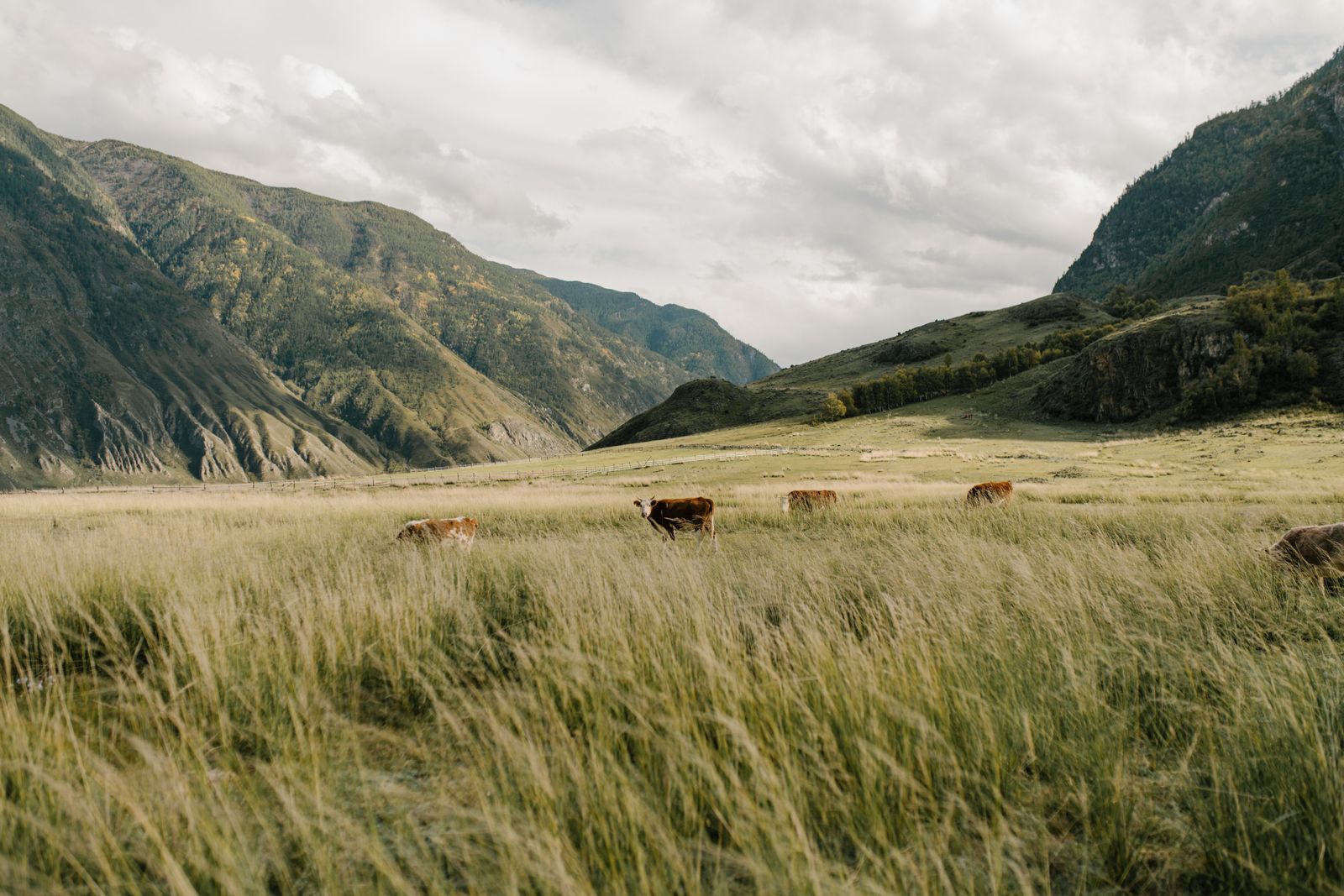
Yes, cows eat dandelions, and they are a safe, nutritious part of a pasture. Leaves, stems, and flowers are all palatable, and dandelion is generally higher in protein and minerals than mature grass.

What dandelions offer cattle
Young dandelion leaves are leafy, digestible, and rich in calcium, potassium, and other minerals. Because dandelion stays green and leafy while grass slows down in summer heat, it can add useful quality to a mixed pasture. It isn’t a complete diet on its own, since the plant is low in fiber compared with the grasses and hay a ruminant needs to keep the rumen working.
Things to watch
- Herbicides: a lawn or pasture sprayed for broadleaf weeds should be kept off-limits until the product’s grazing restriction has passed. Read the label; some products restrict grazing or hay-making for weeks.
- Dairy cows and milk flavor: strongly flavored weeds, wild onion and garlic especially, can taint milk. If you milk, keep an eye on what is in the pasture during the hours before milking.
- Lookalikes: hawkweed, cat’s ear, and other yellow-flowered weeds resemble dandelion. Most are harmless, but make sure you’ve identified what’s growing, especially if cattle are hungry or on a new field.
- Don’t overdo any single plant: a mixed pasture of grass and legumes is the base; dandelion is a bonus.
Dandelion in people food versus cattle food
Dandelion greens are a common salad and cooking green for people, but cattle don’t need them prepared. Fresh in the pasture is the simplest way. If you cut them for your cows, feed them fresh and clean, and don’t pile up wet greens where they will heat and spoil.
Grazing tips
Rotating cattle through paddocks lets grasses and weeds regrow and keeps any one plant from being grazed to the ground. For other plants to watch for, see our list of plants cows won’t eat, and for other treats read the most nutritious snacks for cows.
Bottom Line
Cows eat dandelions happily and benefit from them, as long as the field hasn’t been treated with herbicide and you’ve correctly identified what’s growing. For specific health concerns about your herd, call your veterinarian.